
Livraison le jour même ou le lendemain

Qualité garantie

Débloquez vos offres de bienvenue: Livraison GRATUITE | Jusqu'à -80 % | 30 jours d'essai gratuits à JoyPlus
Téléchargez l'application
Dry, brittle hair, split ends, a lack of shine... Finding a repair treatment for damaged hair that truly delivers on its promises can feel like an uphill battle. Faced with shelves overflowing with miracle formulas, it's easy to feel lost, and regrettable impulse buys are all too common.
Our mission at Joybuy?is to help you find clarity. Let's break down the common pitfalls to avoid and the essential criteria for choosing a genuinely effective treatment. The goal?is to empower you to invest in your hair's health, not in empty marketing promises.
The 3 Pitfalls to Avoid When Buying a Repair Treatment:
To avoid making mistakes, focus on a few key points that will make all the difference.
Understanding the role of each product is the foundation of an effective routine.
Don't just trust the product name. Learn to decode the ingredients list (INCI) to find the true allies for your hair.
The perfect treatment is one that respects your hair's unique nature.
Here are a few top picks that meet specific needs, perfectly aligning with the criteria we've just discussed.
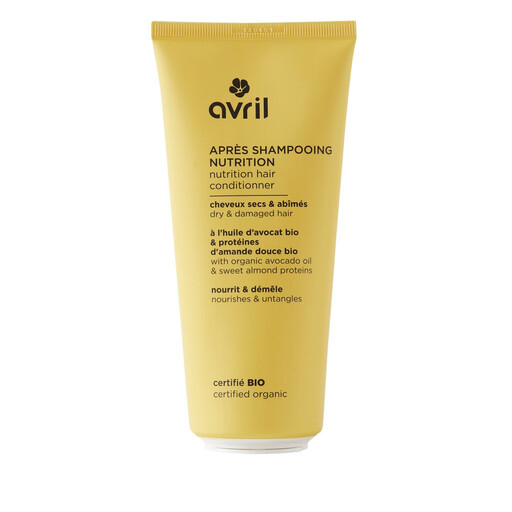
Why we love it: Perfect for those who demand a transparent and clean formula. Made in France and certified organic (Cosmos Organic), it nourishes dry hair with an effective duo of organic avocado oil and sweet almond proteins, all without controversial ingredients.
It doesn't rely on a single "miracle" ingredient but on a coherent and proven organic composition, where each active has a well-defined nourishing or restructuring role.
A formula with 99% ingredients of natural origin and certified vegan. Its creamy texture makes detangling easy without ever weighing the hair down.
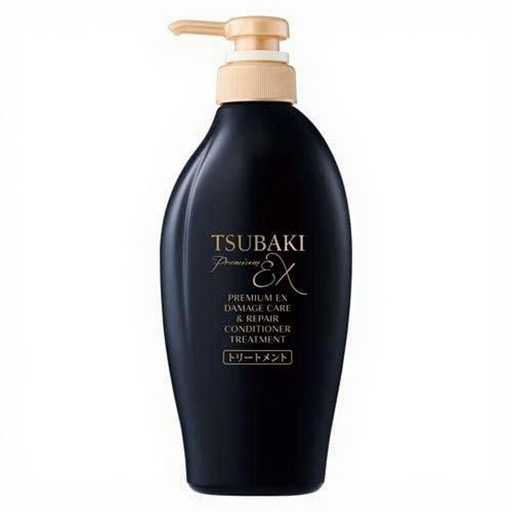
Why we love it: Specially formulated for hair that has been through a lot (repeated colouring, straightening, perms). This Japanese treatment acts like a healing balm to restore softness, shine, and vitality, even to the most fragile hair.
It doesn't present itself as a universal solution. Its formula is clearly focused on intensive repair, making it an expert choice for a specific need, far from the "do-it-all" products.
Its formula combines powerful actives like squalane, camellia oil, and royal jelly extract for a visibly nourishing and restorative action.
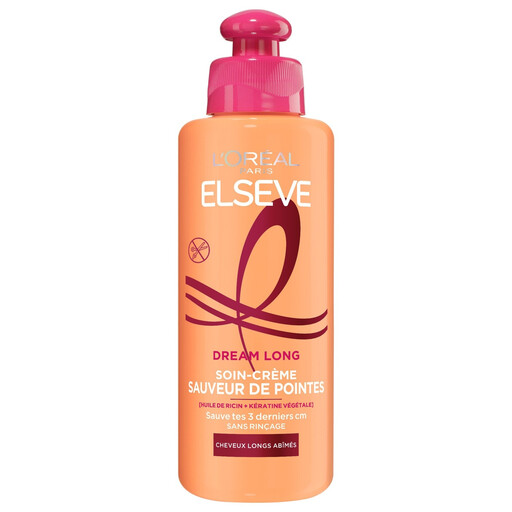
Why we love it: The go-to for fans of straighteners or blow dryers. This leave-in cream protects lengths daily, seals split ends, makes styling easier, and includes heat protection up to 180°C.
It perfectly addresses the "wrong format" problem. It's a targeted finishing treatment that complements a routine (shampoo + mask), rather than pretending to replace it.
Its cocktail of castor oil, vegetable keratin, and vitamins helps repair lengths while forming a shield against breakage and heat.
Discover our full selection of products that meet our selection criteria and current regulations.
Conditioner is a frequent, almost daily treatment that works on the surface: it detangles, smooths the cuticle, and hydrates. A repairing mask, on the other hand, is a deeper, weekly treatment. Its richer, more concentrated formula (with proteins, oils, etc.) works at the core of the hair fibre to nourish and restructure it. They aren't mutually exclusive; they are perfectly complementary in a hair repair routine.
For very sensitised hair, a repairing conditioner after each wash is a good starting point. Complement this with an intensive mask once or twice a week. A leave-in treatment can be applied daily for continuous protection. The most important things are consistency and observation: if your hair feels weighed down, use masks less frequently.
Not necessarily, but it's a different philosophy. Silicones offer an instant cosmetic result (softness, shine) by coating the hair. The downside is that some can build up, suffocate the fibre, and prevent true conditioning agents from penetrating. A silicone-free formula relies on plant-based oils and butters to nourish the fibre deeply. The result might be less immediate, but the repair is more fundamental. The best choice depends on your personal preference and how your hair reacts.