
Livraison le jour même ou le lendemain

Qualité garantie

Débloquez vos offres de bienvenue: Livraison GRATUITE | Jusqu'à -80 % | 30 jours d'essai gratuits à JoyPlus
Téléchargez l'application
A repair cream for sensitive skin needs to address a very specific need: reduce tightness, soothe dry areas and help preserve the skin barrier. On paper, though, manufacturers' promises can make the choice complicated, especially for adults, parents and those with reactive skin.
A pleasant texture alone doesn't make a true skin barrier cream. Glycerin and hyaluronic acid primarily work to attract and retain water. Ceramides, squalane, oils, butters and certain occlusive agents, on the other hand, can limit water loss and improve the comfort of compromised skin.
A well-thought-out formula can therefore combine several roles: hydrate, nourish and protect.
This label doesn't guarantee the product will suit all reactive skin types. Check for fragrance, denatured alcohol, essential oils or other active ingredients that could cause discomfort for some people.
For very reactive skin, a fragrance-free formula with an easy-to-read ingredient list generally simplifies selection. Acne-prone skin may prefer a lightweight, non-comedogenic texture, while very dry skin will typically find a richer cream more suitable.
A 400 ml pot works well for daily body application or family use. A 40 or 50 ml tube slips more easily into a bag and is better suited for targeted facial application. Also compare the price per millilitre, especially if it's a long-lasting hydration product you'll use every day.
The presence of an active ingredient alone doesn't guarantee the same result for everyone. The ingredient's position in the list, the texture and your skin's tolerance also matter.
In the morning, a lightweight cream or gel-cream can feel more pleasant on the face. A rich balm will generally be more suitable for very dry areas or for evening application. For hands, elbows and legs, a more protective formula can help reduce the feeling of dryness after washing or showering.
A repair cream for face and body is handy for streamlining your routine, but not all formulas are suitable for the eye area or damaged skin. Check the instructions, application area and precautions indicated on the packaging. If you experience persistent itching, cracks, weeping or significant inflammation, seek advice from a healthcare professional: a cosmetic cream is not a substitute for medical treatment.
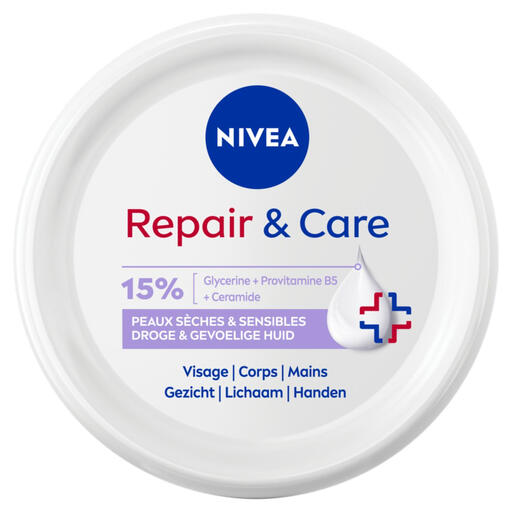
Why this choice suits this profile: With its 400 ml and possible use on the face, body and hands, this format works well for a simple routine, even for several family members.
The formula is stated to be fragrance-free and the label mentions 10% glycerin plus panthenol. Still, check the ingredient list on the pot before buying.
A large size, rich texture and versatile application. The brand states compatibility tested under dermatological control.
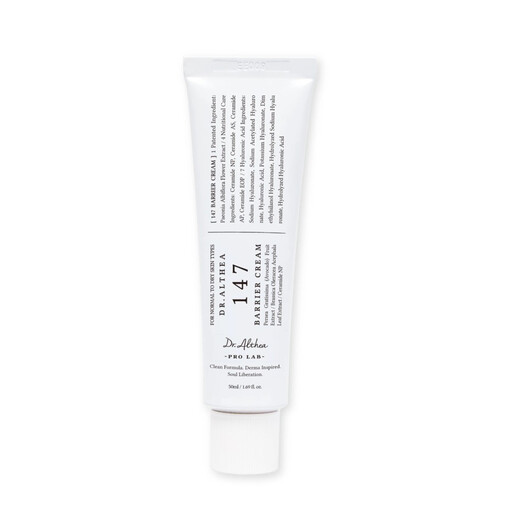
Why this choice suits this profile: This face cream combines several ceramides, cholesterol and different forms of hyaluronic acid in a texture described as silky.
The detailed composition lets you check the active ingredients highlighted, rather than relying solely on the "barrier" label.
The description mentions seven forms of hyaluronic acid, several ceramides and a 50 ml size.
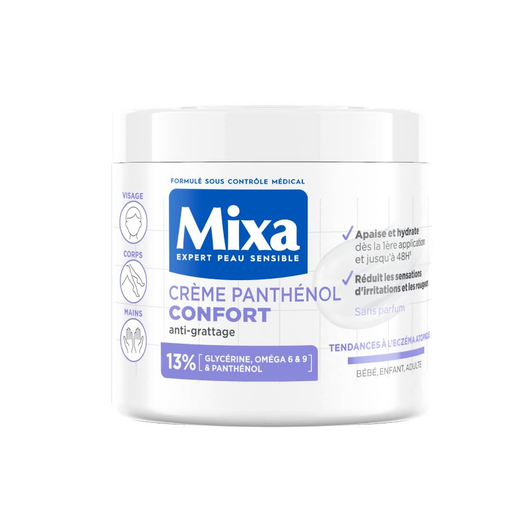
Why this choice suits this profile: Its large size targets very dry and reactive body skin, with repeated daily application.
The formula highlights panthenol and glycerin, without suggesting that a cosmetic cream could treat a skin condition.
A 400 ml size, with no finish described as greasy or sticky, featuring panthenol, glycerin and niacinamide in the listed ingredients.
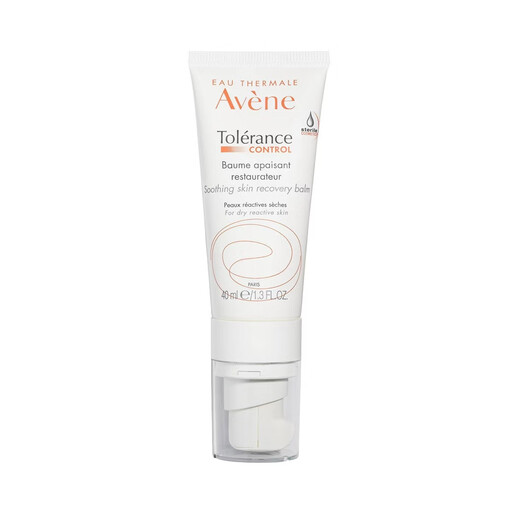
Why this choice suits this profile: Its 40 ml face size and formula stated to be fragrance-free and preservative-free fit well into a short routine for dry and reactive skin.
The description specifies the application area, the absence of fragrance and the stated sterile packaging. Always check the packaging you receive.
A rich face balm, with glycerin, shea butter and squalane indicated in the composition.
We've put together a comprehensive, real-time updated selection of products that meet these demanding criteria and European safety regulations.
Look for a formula combining glycerin, panthenol, ceramides or nourishing active ingredients. A balm texture often suits very dry areas, while a lightweight cream will generally feel more pleasant on the face.
Some products are designed for both uses, particularly the versatile large sizes. Others are reserved for the face or body. Rely on the application area indicated by the manufacturer to make your choice.
The duration depends on the symbol indicating the period after opening and the instructions on the packaging. Close the pot or tube carefully, protect it from heat and direct light, and don't share a product applied to irritated skin.