
Livraison le jour même ou le lendemain

Qualité garantie

Débloquez vos offres de bienvenue: Livraison GRATUITE | Jusqu'à -80 % | 30 jours d'essai gratuits à JoyPlus
Téléchargez l'application
Whether you're outfitting your kitchen, heading out on a road trip, or just packing lunch for the office?: choosing the right solution to keep your food cool can quickly become a headache. Between marketing promises and confusing spec sheets, it's easy to make a mistake. As the head of product selection at Joybuy, my mission is to help you see things more clearly. Let's break down the essential criteria for making the right choice, beyond the marketing hype.
The refrigeration and preservation market is filled with products boasting tempting features. However, some claims hide flaws that only become apparent with use. Here are the three most common pitfalls.
To avoid these traps, focus on objective technical criteria that truly match your needs.
This is the number-one criterion, as it determines the performance, cost, and use case of your appliance.
Choosing the right volume should be a pragmatic decision.
Here, there's no room for compromise. Opt for materials known for their durability and safety. For a food storage container, borosilicate glass is a healthy choice?: it resists both odours and stains and can withstand thermal shock (going from the fridge to the microwave). For plastics, look for a "food-safe" label and ensure they are BPA-free, an essential criterion for anything intended for children.
Instead of an endless list, here are a few products that meet specific needs, based on the criteria we've just discussed.

The verdict : The ideal companion for road trips, camping, or boat outings. Its dual power supply (12V/24V and mains) and its ability to freeze down to -18 °C provide true autonomy for keeping perishable goods fresh for several days.
Unlike thermoelectric coolers, its compressor ensures a stable temperature and true freezing even in high heat, thus avoiding the "false versatility" pitfall.
True portable freezing/refrigeration performance ; dual AC/DC power for total flexibility.
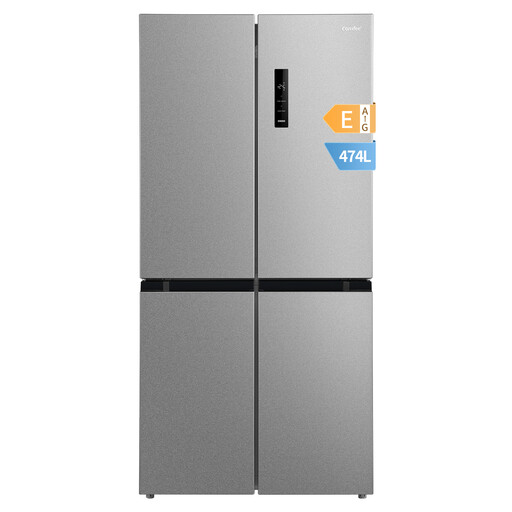
The verdict : Perfect for families who need large storage volume and flexible organisation. Its 4-door design minimises cold loss, and its modular compartments adapt to the week's groceries.
Its 474 L capacity is genuinely usable thanks to a smart layout (Vario Box, Flip Tray), which sidesteps the "unusable gross volume" trap.
Very large capacity and optimised organisation ; front temperature controls to limit openings and save energy.
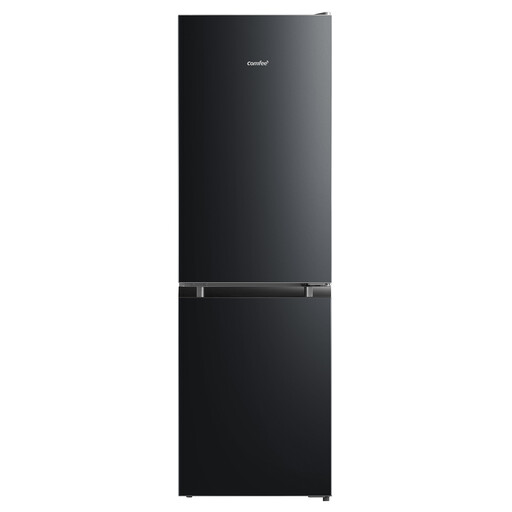
The verdict : The perfect solution for a first apartment, a studio, or as a secondary fridge. Its compact footprint (47 cm wide) includes a true 4-star freezer compartment without compromising on performance.
It offers an effective two-in-one solution, far from the compromises of mini-fridges with a token freezer box. The reversible door is a real bonus for optimising small spaces.
Excellent footprint-to-capacity ratio ; Low Frost technology to reduce the chore of defrosting.
We have curated a complete selection of products that meet our selection criteria and current safety standards.
1. What's the difference between a compressor cooler and a thermoelectric cooler?? It's all about the technology. A thermoelectric (Peltier effect) cooler simply transfers heat from the inside to the outside. Its power is therefore limited, typically to 18-22?°C below the ambient temperature. In contrast, a compressor cooler works like your home fridge?: it actively generates cold using a refrigerant. This allows it to reach true freezing temperatures (e.g., -18?°C), regardless of the outside heat.
2. How can I optimise the cooling in a passive (non-electric) cooler?? To get the most out of your cooler, here are a few tips?:
3. Does a chest freezer use a lot of energy?? A chest freezer is generally more energy-efficient than an upright freezer of the same volume. The reason is simple?: cold air is denser, so it stays "trapped" at the bottom when you open the lid, which limits energy loss. To find the exact consumption, refer to the energy label (classes A to G). For example, a model like the Class E AUCMA 95L chest freezer consumes about 165?kWh per year, which represents a manageable cost on your electricity bill.