
Livraison le jour même ou le lendemain

Qualité garantie

Débloquez vos offres de bienvenue: Livraison GRATUITE | Jusqu'à -80 % | 30 jours d'essai gratuits à JoyPlus
Téléchargez l'application
The beverage aisle can be overwhelming. Between the flashy packaging, promises of exotic flavours, and health claims, it's easy to make a mistake you'll regret once you get home. As a product selection expert at Joybuy, my mission is to help you navigate the options. Let's break down the most common traps so your next refreshing drinks are a true delight for you and your family, with no unpleasant surprises.
Choosing your drinks shouldn't be a headache. However, certain marketing tricks can create confusion. Here are the key things to watch out for?:
To avoid falling for marketing ploys, focus on these three key points. They are your guarantee for a daily hydration routine that truly suits you.
The golden rule: ingredients are always listed in descending order of quantity. If sugar (under its many names: sucrose, glucose-fructose syrup...) is at the top of the list, you're primarily holding a sugary drink. Check the fruit percentage to distinguish a real fruit juice from a simple flavoured beverage. A sugar-free drink will list sweeteners (like sucralose, stevia) in its composition.
The line we're most interested in is "carbohydrates, of which sugars," shown per 100?ml. It reveals the exact amount of sugar you'll be consuming, whether it's added or naturally present in the fruit. For a lighter option, choose drinks low in sugar and calories (kcal). Unsurprisingly, mineral water or sparkling water are the champions, clocking in at 0 kcal and 0?g of sugar.
The packaging is more than just a detail. A beverage pack of cans or small bottles is perfect for on-the-go, picnics, or for portion control. Large formats like 1.5L bottles or 8L dispensers are often more budget-friendly and eco-friendly for family consumption at home.
To put theory into practice, here are a few concrete examples that perfectly illustrate these criteria, each meeting a specific need.
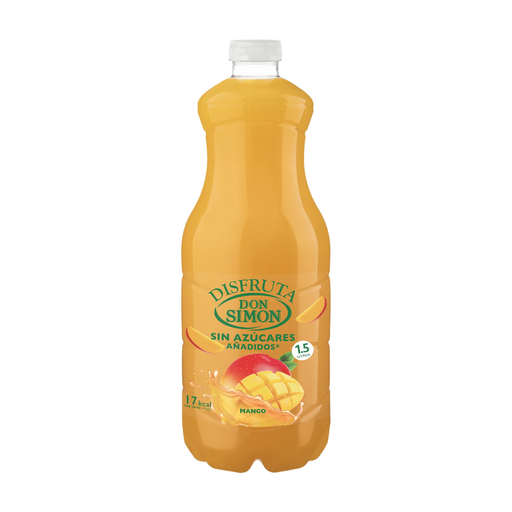
The verdict: Perfect for fans of tropical drinks who are watching their calorie intake. You get a great mango taste without the usual sugar load of a classic nectar.
This nectar sidesteps the "no added sugar" trap. It doesn't just omit added sugar; it replaces it with a sweetener for a minimal calorie count (17 kcal/100 ml). This makes it a true light drink.
The pleasure of an exotic nectar with only 3.5 g of sugar (from the fruit) per 100 ml.
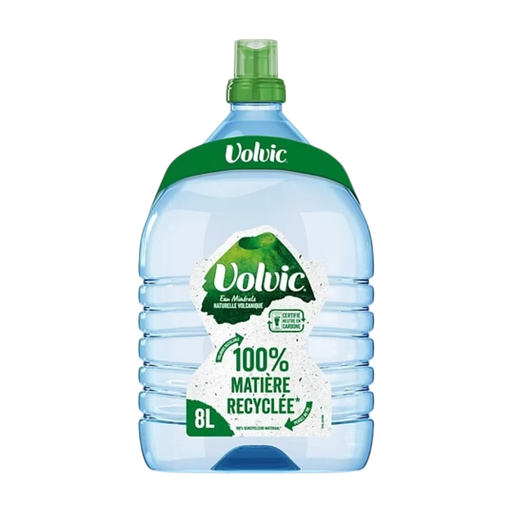
The verdict: The simple, healthy, and economical solution par excellence for the whole family's everyday hydration. Mineral water remains the most reliable choice.
Here, it's impossible to go wrong. You bypass all the traps related to sugar or mystery ingredients. The composition is crystal clear: natural mineral water, and that's it.
Its 8L dispenser format with a tap is super convenient for home use. Eco-bonus: the bottle is made from 100% recycled material.
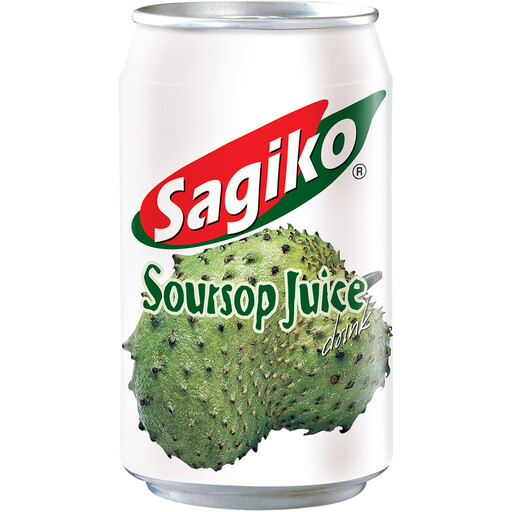
The verdict: For curious palates who like to venture off the beaten path. Soursop, with its exotic flavour that is both sweet and tangy, is an excellent alternative to classic tastes.
This drink doesn't pretend to be something it's not. It owns its identity as a pleasure drink, focusing entirely on its original star ingredient: soursop purée. You know what to expect: a refreshing and indulgent break.
An opportunity to discover a flavour that's still under the radar in many places, in a can format perfect for on-the-go enjoyment.
Discover our complete selection of beverages, all chosen according to these quality criteria and regulatory standards.
1. What's the difference between a fruit juice, a nectar, and a fruit drink? A pure fruit juice is 100% from pressed fruit, with no additions (no sugar, no water). A fruit nectar is a mix of fruit purée or juice (between 25% and 50% minimum), water, and sugar (or sweeteners). Finally, a fruit drink contains even less fruit and is mostly composed of water, sugar, and flavourings.
2. How should I store a drink once it's opened? Most bottled juices and nectars should be refrigerated after opening and consumed within 3 to 5 days. Contact with air and heat quickly alters their taste. Even for mineral water, it's advisable to keep it cool and drink it quickly to preserve its freshness.
3. Is a "no added sugar" drink suitable for a diet? Not necessarily. If it's made from naturally very sweet fruits (like grapes or mangoes), the sugar and calorie content can still be significant. For strict calorie control, a sugar-free drink (with sweeteners) or simply water remain the safest options. The best practice: always check the nutrition facts per 100?ml.