
Livraison le jour même ou le lendemain

Qualité garantie

Débloquez vos offres de bienvenue: Livraison GRATUITE | Jusqu'à -80 % | 30 jours d'essai gratuits à JoyPlus
Téléchargez l'application
When the temperature rises or you're simply craving a fruity break, refreshing drinks are a must-have. However, choosing one online can quickly become a headache. Between ambiguous labels and marketing promises, it's easy to end up with a disappointing product. As a product expert at Joybuy, my mission is to help you navigate this jungle. Here are the pitfalls to avoid and the essential criteria for a successful purchase.
Ordering drinks online is convenient, but a few stumbling blocks can spoil the experience. Here are three particularly common ones.
To stop choosing at random, focus on these two fundamental indicators that reveal the true nature of your drink.
This is the number-one criterion for distinguishing a quality product. Regulations require manufacturers to state the percentage of fruit on the packaging.
This is your best indicator to know if you're paying for fruit or for sugar water.
For those who are health-conscious, this part of the label is crucial.
To guide you, here are a few of our recommendations, designed for every preference.
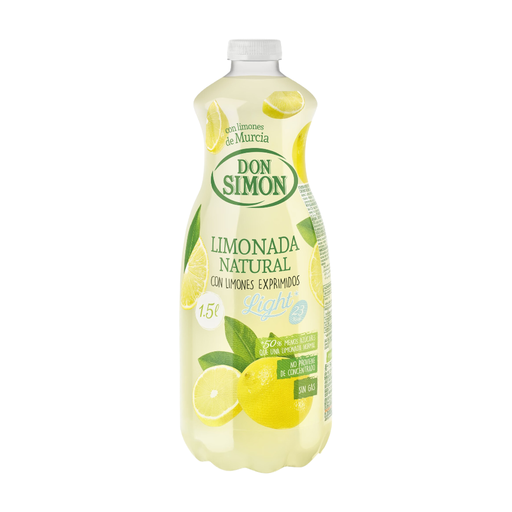
Why we chose it: Perfect for families, this large 1.5L lemonade is an affordable classic that everyone can agree on, ideal for accompanying meals or for quenching thirst throughout the day.
There's no room for confusion here: it's a lemonade, not a juice. The composition is simple and clear: 15 % lemon juice, water, and a controlled sugar content.
A reduced sugar content compared to classic sodas and a source of vitamin C. A simple and effective refreshment.
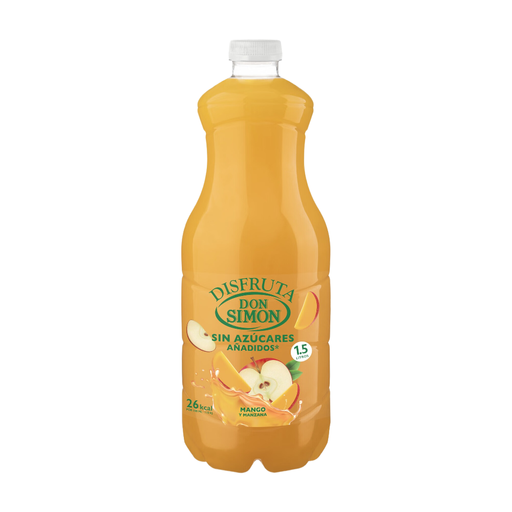
Why we chose it: Perfect for those who want the pleasure of a fruit nectar without the sugar calories. It's the ideal alternative to indulge without the guilt.
It perfectly addresses the "no added sugar" pitfall. The label is clear, and the very low calorie count (26 kcal/100 ml) confirms that it is indeed a light drink.
A fruit content of 50 % (mango and apple) guarantees a real fruit taste, sweetened with a sweetener for undiminished enjoyment, minus the calories.
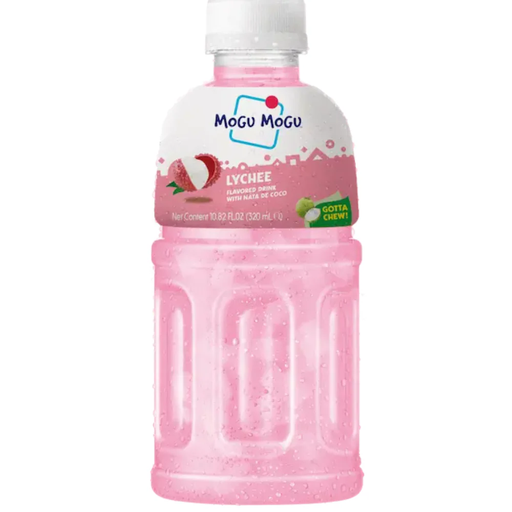
Why we chose it: This exotic drink is an experience in itself. The mix of a fragrant juice and chewy cubes of nata de coco (coconut jelly) makes it a fun and original drink, very popular with teens and young adults.
By owning what it is: a treat. The brand is transparent about its ingredients, including the E129 colouring, allowing for an informed choice.
A unique texture, halfway between a drink and a snack. The lychee flavour is intense and refreshing, offering a true escape for the taste buds.
Discover our full selection of drinks, chosen for their quality and transparency.
1. What is the difference between a nectar and a fruit juice? A fruit juice is 100 % pressed fruit, with nothing else added. Period. A nectar, in contrast, is a mix of fruit purée or juice (with a minimum of 25 % to 50 % depending on the fruit), water, and, most often, sugar or sweeteners.
2. How should I store large format (1.5L) drinks once they are opened? Once the bottle is opened, it must be stored in the refrigerator. For optimal freshness, it is recommended to consume it within 3 to 4 days. Remember to close the cap tightly after each use to limit contact with the air.
3. Are drinks with "nata de coco" suitable for young children? "Nata de coco" comes in the form of small, chewy jelly cubes. As fun as they are, these pieces can pose a choking hazard for small children. Therefore, caution is advised: reserve them for older children who are able to chew properly.