
Livraison le jour même ou le lendemain

Qualité garantie

Débloquez vos offres de bienvenue: Livraison GRATUITE | Jusqu'à -80 % | 30 jours d'essai gratuits à JoyPlus
Téléchargez l'application
The chilled drinks aisle has become a jungle. Between the colourful packaging and marketing slogans, it's hard to know where to turn. A product presented as "?healthy?" can hide a mountain of sugar, while a drink labelled "?natural?" is sometimes anything but. This guide is here to help you decode the labels and make the right choice—one that truly matches your tastes and needs.
Before you fill your cart, let's review the three most common traps that can spoil your enjoyment:
To navigate the maze of refreshing drinks, focus on a few key points that reveal a product's true nature.
What's the first thing you should do? Check the ingredient list. The golden rule: the shorter and simpler, the better. Here's a quick glossary to help you decode labels:
But the world of chilled drinks extends far beyond classic fruit juices. Fruit-flavoured iced teas are an excellent, often lighter, alternative. Also consider Asian beverages, which brilliantly combine tea (oolong, jasmine) and exotic fruit juices for a result that's as complex as it is thirst-quenching. And let's not forget coconut water, the star of natural hydration thanks to its richness in electrolytes.
There's an ideal drink for every profile. To guide you, here is our selection of products that tick all the right boxes, depending on your needs.
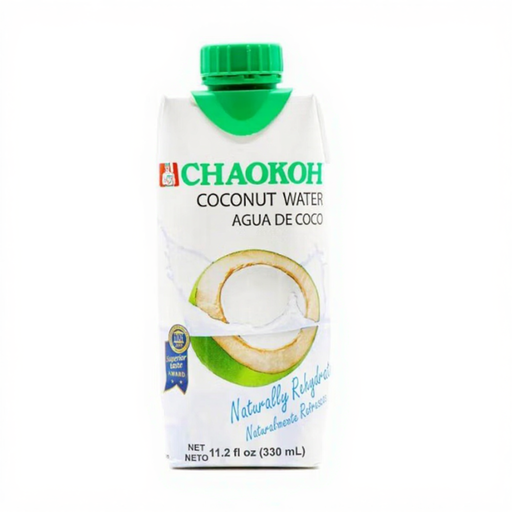
Why we chose it: For purists who want no-frills hydration. This coconut water is perfect after a workout or for a healthy, thirst-quenching break.
The ingredient list couldn't be clearer: 100% natural coconut water. Zero added sugar, zero concentrate, zero flavourings. An honest product that gets straight to the point.
Naturally isotonic, it ensures effective rehydration. Very low in calories (about 20 kcal per 100ml), it's a true lightweight.
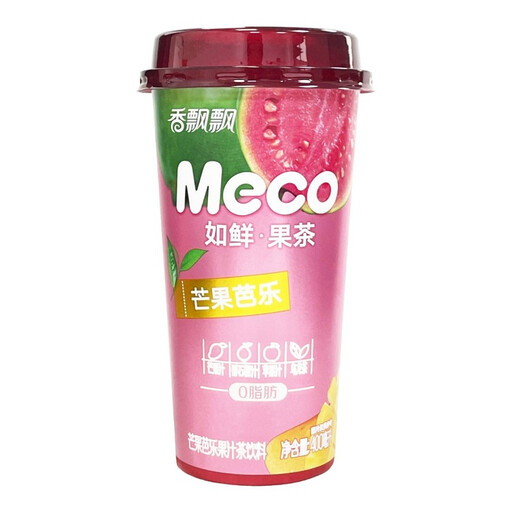
Why we chose it: For curious palates eager for new experiences and fans of Asian flavours. The combination of oolong tea, mango, and guava is a journey for the senses, as surprising as it is refreshing.
This product plays it straight: it's marketed as a fruit-flavoured iced tea, not a pure juice. The label is clear about its composition, preventing any disappointment.
An original flavour profile that's off the beaten path. Fat-free, this drink uses sweeteners for a delicious yet controlled indulgence.

Why we chose it: For those who want complete control over their drinks' ingredients. This juicer lets you create ultra-fresh fruit and vegetable juices, controlling the quality of the ingredients and eliminating added sugars.
The ultimate solution for sidestepping all marketing traps. You choose your own fruits and vegetables, guaranteeing a 100% natural juice with no additives, preservatives, or hidden sugars.
Its cold-press (slow juicer) technology gently extracts the juice. The result: maximum vitamins and nutrients are preserved, unlike with a conventional centrifugal juicer.
Discover our full selection of products that meet our quality criteria and current regulations.
A pure juice comes directly from pressed fruit, followed by pasteurisation for preservation. A juice from concentrate, on the other hand, has been dehydrated (to facilitate storage and transport) and then rehydrated with water before bottling. While the nutritional value is often similar, purists generally prefer the fresher, more authentic taste of pure juice.
Once opened, most juices, coconut waters, and iced teas should be kept in the refrigerator. To enjoy their freshness and taste, it's best to consume them within 3 to 5 days. In any case, the best practice is always to follow the instructions on the packaging.
Absolutely. A centrifugal juicer grinds food at very high speeds, which generates heat and can oxidise some of the nutrients. In contrast, a slow juicer slowly cold-presses the food. This gentle method limits oxidation and, according to manufacturers, better preserves vitamins, enzymes, and minerals.