
Livraison le jour même ou le lendemain

Qualité garantie

Débloquez vos offres de bienvenue: Livraison GRATUITE | Jusqu'à -80 % | 30 jours d'essai gratuits à JoyPlus
Téléchargez l'application
Buying a pack of drinks online might seem straightforward. However, a few details can quickly push up the cost or make the product ill-suited to your habits. A sparkling water may be calorie-free, while a fruity drink presented as light can contain several grams of sugar per 100 ml. As for vitamin-enriched drinks, they don't necessarily replace daily hydration based on water.
Here are the key criteria to consider before choosing from refreshing drinks and sparkling waters, with a selection designed for different consumer profiles in the UK.
The term no added sugar means the manufacturer hasn't added sugar to the product. However, it may still contain the sugars naturally present in fruit juices. This is the case with certain flavoured waters, such as Joker vitamin water peach 75 cl, which contains 20% fruit and states no added sugars on its product page.
Conversely, a sugar-free drink may contain sweeteners. The sparkling water QDOL Pokémon au raisin claims 0 g sugar and 0 kcal per 100 ml, while also mentioning the presence of sucralose. It's therefore better to check the ingredients list rather than relying solely on the front of the packaging.
A drink showing 15 or 16 kcal per 100 ml may seem low in calories. In a 500 ml bottle, that still amounts to 75 to 80 kcal. To properly compare a low-calorie drink, look at both the values per 100 ml and those for the entire container.
The format also plays a role. Cans of 250 or 330 ml are handy for a quick break, while 500 ml bottles are easy to carry. Larger formats of 1 or 1.15 litres are generally better suited to meals at home.
Packs of 12 or 24 bottles can lower the price per unit, but they quickly take up space. Before ordering, check the total volume: a pack of 24 cans of 330 ml equals 7.92 litres, compared to 12 litres for 24 bottles of 500 ml.
Once opened, fizzy drinks generally need to be kept in the fridge and consumed quickly to preserve their taste and fizz. The instructions on the packaging remain the best guide.
First, it's important to clearly distinguish between the different categories:
The intensity of the bubbles is then a matter of personal preference. Fine bubbles complement a meal nicely, while a more pronounced fizz can be enjoyed when the drink is served very cold.
To compare products on an objective basis, check the following information per 100 ml:
A natural sparkling mineral water typically shows 0 kcal and 0 g sugar. Profiles then vary according to mineralisation. San Pellegrino, for example, indicates 164 mg/l of calcium and 49.5 mg/l of magnesium, while Badoit has a high bicarbonate content. This data mainly helps you choose a water whose taste and composition suit your habits, without attributing any medical effect to them.
Calculate the price per litre to compare a family pack with an assortment of small cans. Also consider transport and storage. Aluminium cans are practical for outings and meals on the go, while one-litre bottles are better suited to the table.
For flavoured drinks, also check the portion size. A can of NOW COCO Sparkling Coconut Water Strawberry & Kiwi contains 250 ml, with 15 kcal per 100 ml and sucralose. This format limits the amount consumed in one go, but may work out more expensive per litre than a family-sized bottle.
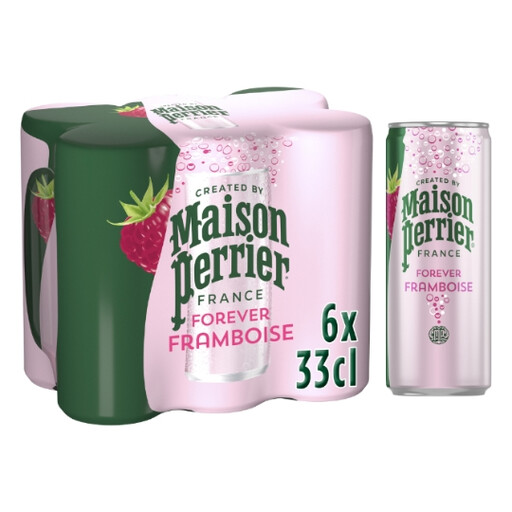
Why this choice suits this profile: This small pack lets you discover a flavoured sparkling water without cluttering your cupboards. The 33 cl cans are ideal for individual meals, the office and on the go.
The product page states 0 g sugar, 0 kcal and no sweeteners. The ingredients list is short: natural sparkling mineral water and natural raspberry flavourings.
0 kcal per 100 ml, 33 cl format and made in France according to the product information.
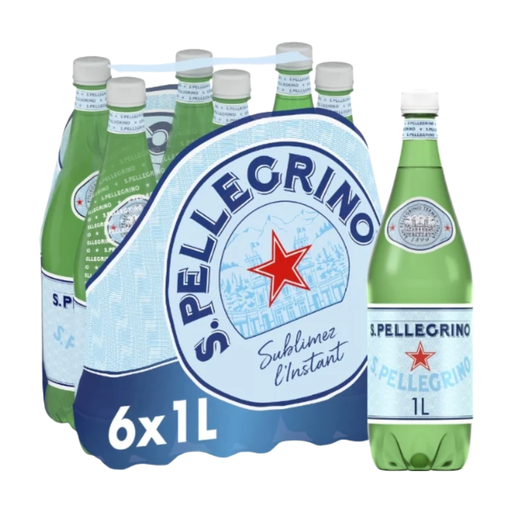
Why this choice suits this profile: The one-litre format fits easily on a family table or during a meal where the taste of sparkling water complements the dishes.
This is a natural mineral water with no added sugar or flavourings. Its detailed mineral composition allows you to compare the product using concrete data.
Pack of 6 litres, fine bubbles according to the description and mineral content stated on the product page.
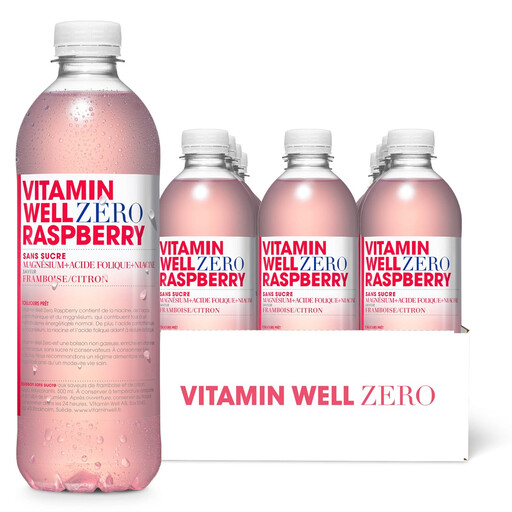
Why this choice suits this profile: The 12 bottles of 50 cl are aimed at active people who want several drinks ready to go at the office, during their commute or for occasional sporting activity.
The product page shows 0 g sugar and 1 kcal per 100 ml. However, it does mention sweeteners – something to keep in mind if you prefer unsweetened drinks.
Pack of 6 litres, 500 ml bottles, vitamins and minerals listed in the ingredients.
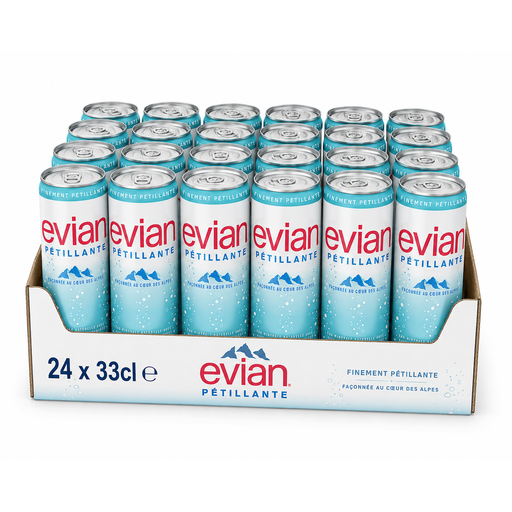
Why this choice suits this profile: The 24 cans of 33 cl make serving easy during meals, picnics or parties. No need to open a large bottle each time.
This natural water contains no sugar or calories. The product page specifies its source, pH of 7.2 and several minerals, allowing you to choose based on composition rather than a vague promise.
0 kcal, individual 330 ml format and recyclable aluminium packaging according to the product description.
We've put together a comprehensive, real-time updated list of products that fully meet these strict selection criteria and European safety regulations.
A vitamin-enriched drink may contain fructose, such as Vitamin Well Hydrate, at 16 kcal per 100 ml, or Vitamin Well Reload Lemon, at 14 kcal per 100 ml. These products shouldn't therefore be compared to a natural mineral water based solely on the presence of vitamins.
Natural sparkling waters typically show 0 kcal and 0 g sugar. A flavoured sparkling water can also be calorie-free, but you need to check for sweeteners and other ingredients. Versions containing juice or sugar can be higher in calories.
Keep it in the fridge and seal it carefully where possible. Product pages often recommend consuming it within 24 to 48 hours, or within two to three days depending on the drink. The cold helps preserve its freshness, but the bubbles will gradually escape.
Not necessarily. Compare the price per litre, the number of units and the volume of each container. A large pack can be good value for regular consumption, while a small assortment reduces waste when you simply want to try a new flavour.