
Livraison le jour même ou le lendemain

Qualité garantie

Débloquez vos offres de bienvenue: Livraison GRATUITE | Jusqu'à -80 % | 30 jours d'essai gratuits à JoyPlus
Téléchargez l'application
Refreshing drinks have earned their place in family shopping baskets, at the office and among fans of Asian flavours. Lemon iced tea, fruity drinks, organic kombucha, aloe vera drinks or cold infusions – there’s no shortage of choice. But you still need to be able to compare products, because packaging doesn’t always tell the full story at first glance.
Three common pitfalls keep cropping up:
Start by comparing the values per 100 ml, rather than those for a whole bottle. This common baseline lets you quickly spot a light drink and distinguish it from a much sweeter recipe.
As a guide, the products featured here show very different profiles:
A sugar-free drink isn’t necessarily free of sweeteners. If you’re sensitive to certain ingredients, the ingredients list remains essential. VITA 0 Sugar Lemon Tea notably mentions a source of phenylalanine, linked to the presence of aspartame.
Read the ingredients in descending order of quantity. For a lemon iced tea, check for the presence of tea, lemon juice or concentrate, as well as flavourings and acidity regulators. For an aloe vera drink, look at what proportion is actually taken up by the juice, gel or pulp.
Claims like “organic”, “sugar-free” and “low in calories” should always be considered in the context of the full label. KYO Organic Kombucha Lemon & Ginger is described as made in France from organically farmed ingredients. Its product page shows 12 kcal and 2.4 g of sugar per 100 ml. Fermentation doesn’t automatically guarantee the complete absence of sugar or residual alcohol: the product page specifies that negligible amounts may remain.
For individual consumption, 250 to 500 ml formats are easy to carry and fit in the fridge. 310 ml cans are ideal for a break or a meal, while a one-litre bottle can be shared at home.
A larger pack can be good value for an office, a family or a catering business. However, make sure you have clean, dry storage space away from light. After opening, several products need to be kept in the fridge and consumed quickly. For drinks containing pieces of aloe vera, gently shake the bottle before serving to distribute the texture evenly.
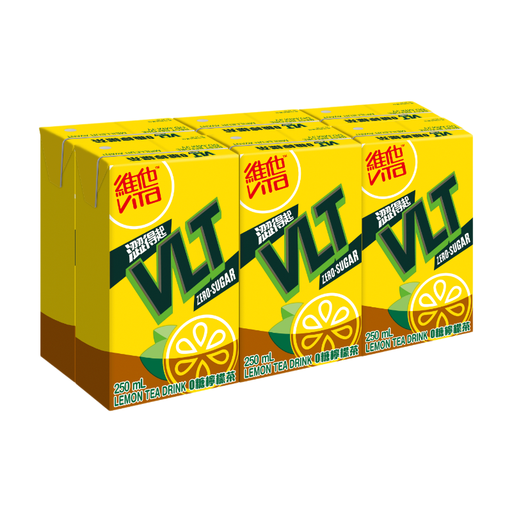
Why this choice suits this profile: With six 250 ml cartons, this pack lets you try a lemon iced tea without committing to a huge stock. The product page shows 0 kcal and 0 g of sugar per 100 ml.
The energy value is clearly stated, but the recipe contains several sweeteners. The mention of a source of phenylalanine therefore warrants a careful read of the label before purchase.
A convenient format, a black tea and lemon flavour, and a sugar-free nutritional profile according to the information provided.
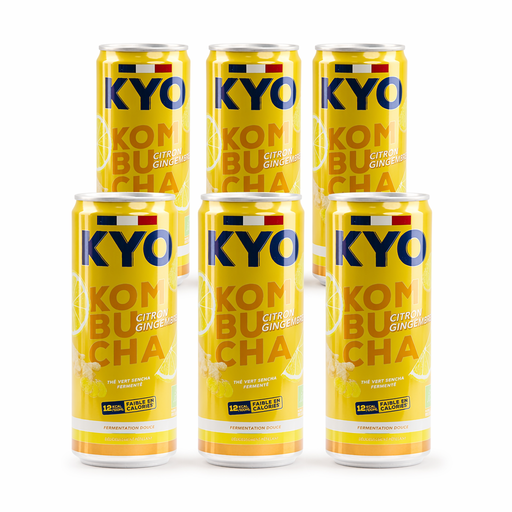
Why this choice suits this profile: This fermented drink focuses on lemon and ginger notes. Its pack of six 33 cl bottles is ideal for occasional enjoyment.
The product page details the presence of green tea, kombucha culture, lemon juice and ginger juice, with nutritional values shown per 100 ml and per bottle.
A stated organic certification, made in France, 12 kcal per 100 ml and best served well chilled.
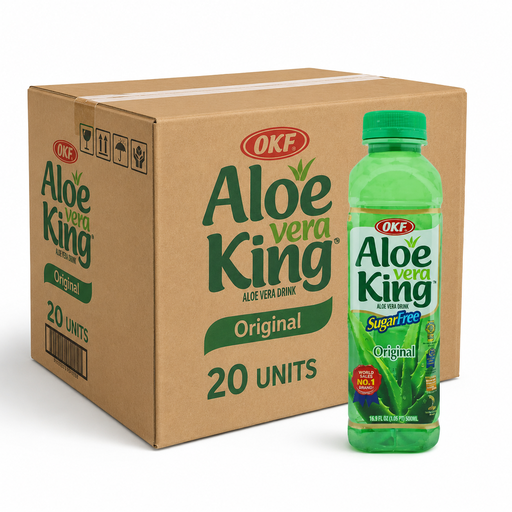
Why this choice suits this profile: With twenty 500 ml bottles, this carton is ideal for stocking up at home, the office or a catering space. The drink is stated to be sugar-free.
The total volume is clearly stated. However, the “sugar-free” claim should be checked against the ingredients list and the storage conditions after opening.
Twenty 500 ml bottles, 0 g of sugar and a recipe containing aloe vera juice and gel according to the product page provided.
We’ve put together a complete selection, updated in real time, of products that meet these exacting criteria and European safety regulations.
Compare the “sugars” line per 100 ml and check for the presence of sweeteners. A sugar-free drink may contain aspartame, sucralose or other sweetening agents. Sugar-free cold infusions, such as ELEPHANT Cold Brew Detox Infusion Tea, also let you flavour 500 ml of water with fruit and herbal tea bags.
Follow the instructions on the packaging. In practice, drinks containing juice, aloe vera or fermented cultures generally need to be placed in the fridge after opening and consumed quickly. Don’t rely solely on the date printed on an already-opened bottle.
It can lower the price per unit and avoid repeated purchases, especially for an office or a family. However, do calculate the price per litre, the volume you’ll actually drink and the storage space needed. A pack of six bottles or twenty units is only worthwhile if the format and flavour match your habits.