
Livraison le jour même ou le lendemain

Qualité garantie

Débloquez vos offres de bienvenue: Livraison GRATUITE | Jusqu'à -80 % | 30 jours d'essai gratuits à JoyPlus
Téléchargez l'application
The beverage aisle is a real jungle: flashy colours, promises of exotic flavours, and ever-more-original packaging make it hard to resist. Yet, disappointment is often just a sip away. Behind the slick marketing, you can find lacklustre tastes, and a "fruity flavour" label is no guarantee that any real fruit is involved. Our mission? To help you decode the labels and find the refreshing drinks that truly deliver on their promises.
Before you fill your basket, here are a few common pitfalls to avoid:
To make an informed choice, you just need to focus on a few objective criteria.
To find your way through the jungle of sodas and other lemonades, you just need to know where to look. Here are the three things to check on the label for a purchase you won't regret.
The difference between a quality drink and a cheap imitation often comes down to the ingredients list. A fruit lemonade worthy of the name will specify a percentage of fruit juice or purée.
The sugar content is a major deciding factor. This information can be found in the nutritional table, on the "Carbohydrates, of which sugars" line.
For those who love to travel with their taste buds, authenticity is non-negotiable. A genuine Japanese drink or a traditional Mexican soda offers a unique cultural experience.
To help you see more clearly, here are a few gems that suit different profiles, taking into account the criteria we've just discussed.
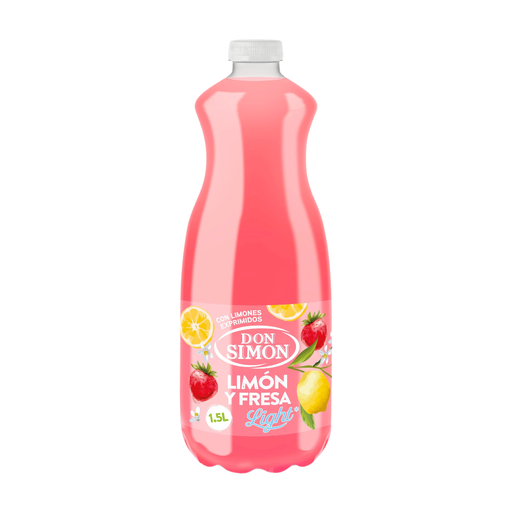
Why we chose it: Ideal for families and those who appreciate classic tastes with a creative twist. This lemonade puts a new spin on a familiar recipe by adding a rich, fruity flavour, perfect for meals or an afternoon break.
Unlike drinks that rely on synthetic flavourings, this one contains 7% lemon juice and 1% strawberry purée, guaranteeing an authentic fruity taste.
Low in calories (18 kcal/100 ml) and available in a large 1.5L format, it offers excellent value for family enjoyment.
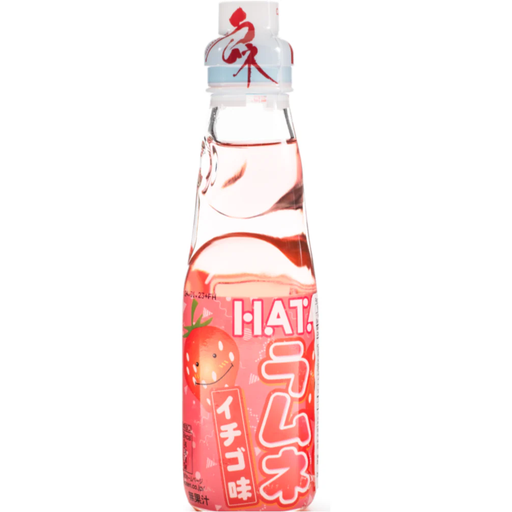
Why we chose it: For those seeking more than just a drink: a true experience. This iconic Japanese drink is famous for its marble-stopper bottle, which turns opening it into a fun little ritual.
Here, the packaging isn't just a marketing gimmick: it's an integral part of the cultural experience. The fun of opening it is just as important as the taste of this original soda.
An authentic and memorable tasting experience. Perfect for surprising guests or treating yourself to a break that's out of the ordinary.
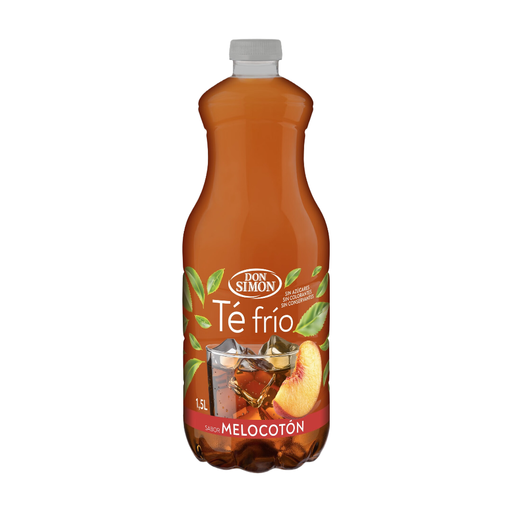
Why we chose it: The ideal alternative for staying hydrated with flavour throughout the day, without sending your sugar counter soaring. This sugar-free iced tea is a safe bet.
It avoids the "sugar-free, taste-free" trap thanks to a well-balanced blend of sweeteners (E952, E954, E959) that preserves a pleasant peach flavour without the chemical aftertaste often found in this type of drink.
With only 1 kcal per 100 ml, it's the perfect guilt-free treat. Its 1.5L format makes it a practical and economical everyday choice.
We have selected a full range of drinks for you that meet our quality criteria and regulations.
The best way is to screw the cap back on tightly right after serving and store the bottle upright in the refrigerator. The cold helps preserve the bubbles. For maximum fizziness, it's best to consume within 2 to 3 days.
Originally, lemonade was a simple drink made from lemon juice, water, and sugar. The word "soda" is a generic term for any sweetened and flavoured carbonated drink. Today, the line is blurrier: a fruity fizzy drink is often called a lemonade, even without lemon.
Not entirely, but their calorie count is almost zero. To be labelled "sugar-free," a drink must contain less than 0.5g of sugar per 100ml. It can therefore contain a few residual calories. For example, our selected Don Simon iced tea has only 1 kcal/100 ml, which is negligible. The best practice? Always check the nutritional table to be sure.