Hosts looking for something to serve with saucisson
If the biscuit is meant to be eaten with charcuterie, start by looking for a savoury or unsweetened option. Then compare its salt content with that of the other items you’re serving.


For serving with saucisson, opt for a savoury or unsweetened accompaniment. Reduced-sugar shortbread is still a sweet biscuit, best served separately with coffee or later in the evening. If you’d like to offer some, compare the sugars and salt per 100 g, and check the allergens before laying the table.
If the biscuit is meant to be eaten with charcuterie, start by looking for a savoury or unsweetened option. Then compare its salt content with that of the other items you’re serving.
For coffee or later in the evening, a biscuit labelled as reduced in sugars may suit what you’re looking for. Check the sugar content on the packaging rather than relying on the range name alone.
When several people are helping themselves, keep the packaging within reach so everyone can check the ingredients and any possible traces. The products considered here contain different allergens depending on the variety.
For an evening with saucisson, first decide whether the biscuit will be served with the charcuterie or separately. You can then use the label to compare products of the same type.
| Criterion | What to check | Who it matters to |
|---|---|---|
| Serving with saucisson | Check the product description and ingredients list to tell a savoury or unsweetened accompaniment apart from a sweet biscuit. | I’m looking for a biscuit to eat with a slice of saucisson, without adding a sweet flavour. Around 42% of consumers would prioritise this savoury option. |
| Reduced sugars | Look for the reduced-sugar claim, then compare the “of which sugars” figure per 100 g across biscuits of the same type. | For coffee, I’d like to serve a sweet biscuit that is clearly labelled as reduced in sugars. Around 33% of consumers would have this priority. |
| Label and allergens | Check the allergens and any possible traces; also compare the salt content per 100 g. | When several guests are helping themselves, I need to be able to identify what each biscuit contains and look beyond the sugar content alone. Around 25% of consumers would prioritise checking the label. |
An apple and cinnamon or oat biscuit is still a sweet option, even if its sugar content is reduced. It isn’t intended to be served with charcuterie.
Serve sweet biscuits separately, with coffee or later in the evening.
A reduced-sugar claim alone doesn’t tell you about the biscuit’s energy, fat or salt content.
To compare biscuits of the same type, check their nutrition information per 100 g, particularly sugars, energy, saturated fatty acids and salt.
Ingredients and possible traces vary between recipes. Biscuits served in unlabelled bowls make it harder for guests with an allergy to choose what they can eat.
Serve each variety separately and leave its packaging beside the bowl.
The Less Sugar range includes sweet biscuits to consider serving separately from the aperitif.
The brand offers wholegrain oat biscuits described as reduced in sugars, making them a sweet option to serve separately.
E.Leclerc lists a Grainea chocolate-chip breakfast biscuit described as lower in sugar.
The Sablé de Retz is included here as an example of how to read the label on a classic shortbread biscuit, not as an example of reduced-sugar shortbread.
These products are worth considering if you’re looking for a crunchy accompaniment or savoury shortbread for an aperitif. Their presentation shouldn’t be confused with a comparative claim about reduced sugars.
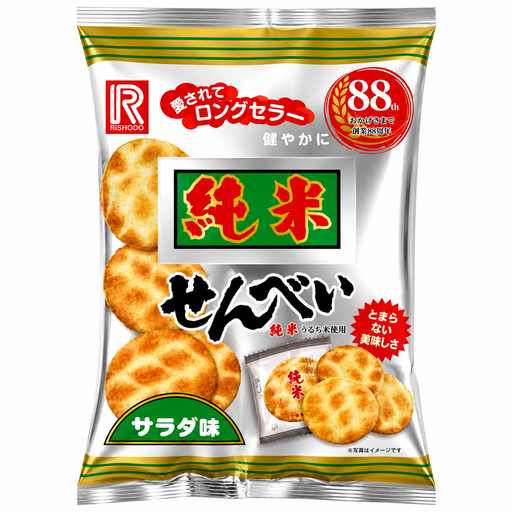 Image unavailable
Worth considering if you’re looking for a savoury cracker rather than a sweet shortbread biscuit for your aperitif table. The pack contains 115 g; check the allergens and salt content on the packaging before serving.
 Image unavailable
For anyone who’d prefer a crunchy crispbread to shortbread biscuits. The pack contains 425 g; check the ingredients and salt content if you’re serving them with saucisson.
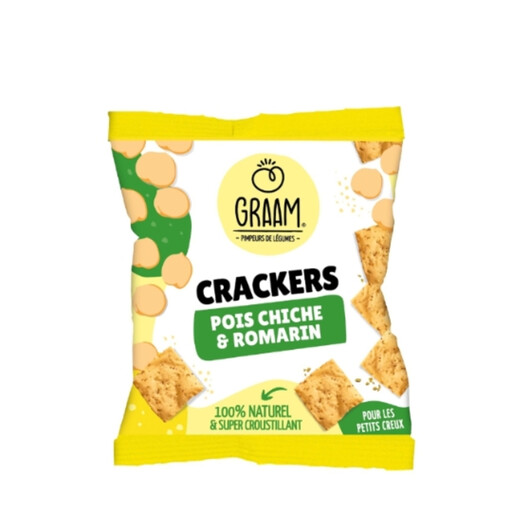 Image unavailable
A cracker option if you’d like to serve something savoury with drinks, separate from the sweet shortbread biscuits. The pack contains 30 g; check the label for ingredients, allergens and salt.
 Image unavailable
For a shortbread-style biscuit with a recipe described as savoury and made for aperitifs. The pack contains 100 g; check the ingredients, allergens and salt content before serving.
No. Reduced sugars doesn’t mean there are none: Auchan’s product listings for its Less Sugar apple and cinnamon biscuits and Gerblé Bio shortbread biscuits state that they contain 12 g and 17 g of sugars per 100 g respectively. Compare the “of which sugars” figure across biscuits of the same type.
You can offer it, but serve these sweet biscuits separately rather than using them as an accompaniment to charcuterie. To serve with saucisson, look for a savoury or unsweetened recipe and compare the salt content per 100 g.
Check the ingredients and any warnings about possible traces on each packet. Depending on the recipe, the varieties considered here contain gluten-containing cereals, milk, eggs or other declared allergens. Keep the packaging beside the biscuits you serve.
If the packet says “best before”, this is a best-before date, which is different from a use-by date. As Anses explains for dry biscuits, also check that the packaging is intact and that the biscuits have been stored correctly. Their quality may change after this date.