Anyone stocking their pantry for the first time
When you’re working with a short shopping list, plain dried pasta lets you choose the base of your meal, sauce and cooking-water seasoning separately.


For your first pantry shop, ‘reduced salt’ isn’t essential: start by comparing the ‘salt’ line on plain dried pasta. Barilla wholewheat linguine contains 0.013 g of salt per 100 g, while a 1881 Pasta Berruto wholewheat pasta product sold at Carrefour contains 0.01 g per 100 g. These figures are for the pasta alone: salt in the cooking water, the sauce and any toppings are separate choices, and filled pasta should be compared using its own label.
When you’re working with a short shopping list, plain dried pasta lets you choose the base of your meal, sauce and cooking-water seasoning separately.
The figure on a pasta packet doesn’t tell you how much salt will be in your meal once you’ve added the sauce and toppings. Filled pasta should also be compared as a separate product.
Wholewheat pasta gives you another factor to consider: check the fibre and salt per 100 g for the specific product, along with its ingredients and allergens.
First, distinguish plain dried pasta from filled or prepared recipes. Then compare the labels of the products you plan to serve together.
| Criteria | What to check | Who is this for? |
|---|---|---|
| Salt in the meal | The ‘salt’ per 100 g on the pasta and sauce labels, as well as how you plan to season the cooking water. | I want to be in control of the seasoning without overlooking the salt in the sauce. Around 42% of consumers put salt in the meal first when making their choice. |
| Pantry versatility | The pack size you can store and the shape that suits the meals you have in mind. | For my first food shop, I’m looking for pasta I can use in different recipes and store easily. Versatility comes first for around 33% of consumers. |
| Fibre | The fibre and salt per 100 g in the wholewheat product you’re considering. | If I choose wholewheat pasta, I want to compare the fibre content without losing sight of the salt. This is the top priority for around 25% of consumers. |
This claim compares a product with a similar one; on its own, it doesn’t tell you how much salt is in the product you’re about to buy.
Check the salt in grams per 100 g and compare like with like. For a pasta meal, remember to check the sauce you choose too.
Filled pasta may contain cheese, cured meat or seasonings. Lustucru ham and cheese ravioli, for example, contains 1.271 g of salt per 100 g. That figure doesn’t represent all fresh pasta or the entire Lustucru range.
Check the label for the exact recipe. If you want to choose your own sauce, start with plain pasta and check the accompaniment separately.
In its cooking instructions, Barilla suggests 7 g of salt per 100 g of pasta and one litre of water. This is the amount added during preparation, not the salt content listed for the pasta in the packet.
You don’t have to follow this instruction to the letter: season the water to taste and try the dish before adding more salt. The amount added alone can’t tell you how much salt will remain after draining.
A range of classic and wholewheat dried pasta to compare product by product.
A range of short and long pasta shapes for different dishes.
A range of plain fresh pasta and filled recipes, which should be considered separately.
A retailer where you can compare pasta products from different brands and in different shapes.
These three plain dried pasta products are suitable if you’re looking for a base to season and serve with accompaniments of your choice. The pack size is just as important as the shape, especially when you’re doing your first food shop.
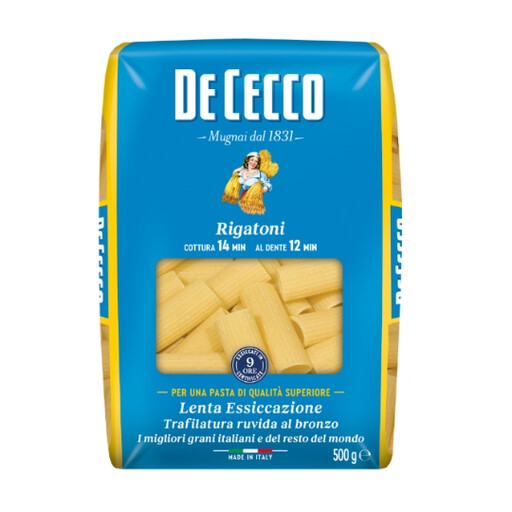 Image unavailable
A rigatoni option to stock your pantry with, leaving you free to choose the sauce separately.
500 g packet. To keep an eye on the salt in your meal, remember to factor in the sauce and seasoning too.
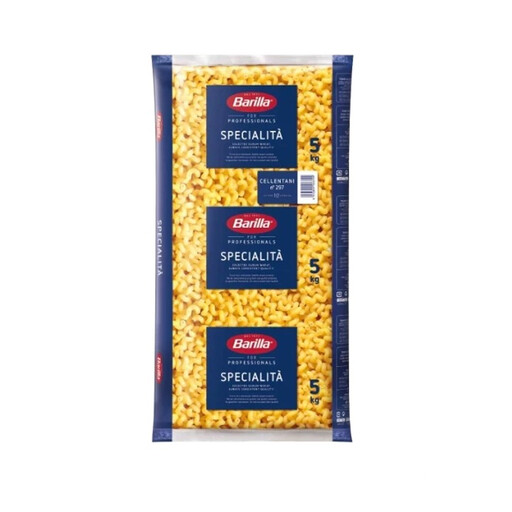 Image unavailable
Cellentani is worth considering if you regularly use plain pasta with accompaniments you choose separately.
5 kg pack: make sure you have enough storage space and that the quantity suits how much pasta you eat.
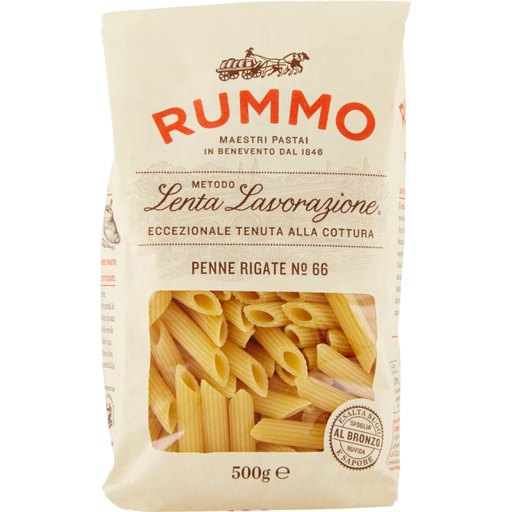 Image unavailable
A penne rigate option for meals where you choose the sauce and seasoning yourself.
500 g packet. If fibre is important to you, compare the figure on the pack with those for the other products you’re considering.
Not necessarily when choosing plain dried pasta. Barilla lists 0.013 g of salt per 100 g for its Linguine Integrale, while a product listing for 1881 Pasta Berruto wholewheat pasta sold at Carrefour gives 0.01 g per 100 g. Compare the figure for the product you choose, then check the sauce too.
The claim compares a product’s salt content with that of a similar product; it doesn’t mean that every product carrying the claim has the same amount of salt. When choosing between two products, also check their salt content in grams per 100 g.
No, you can adjust cooking instructions to suit your taste. Barilla suggests 7 g of salt per 100 g of pasta in one litre of water, but this added salt is not the same as the salt in the uncooked pasta, nor does it necessarily reflect how much salt you’ll consume after draining.
Compare specific recipes rather than whole categories. Lustucru ham and cheese ravioli contains 1.271 g of salt per 100 g; this figure can’t be applied to all fresh pasta. Check the ‘salt’ line for the product you’re considering.