Families paying attention to sugar claims
You want to distinguish the amount of sugars listed in the nutritional information from total carbohydrates and any ‘reduced in sugars’ claim before making your choice.


For a family dinner, don’t choose pasta just because it appears to contain less sugar. Compare the ‘of which sugars’ figures per 100 g and check that any ‘reduced in sugars’ claim appears on the packaging. If your priority is the recipe, fibre or protein, make your choice based on that without assuming it means less sugar. The buckwheat noodles and konjac alternatives featured below are not, in themselves, pasta products carrying this claim.
You want to distinguish the amount of sugars listed in the nutritional information from total carbohydrates and any ‘reduced in sugars’ claim before making your choice.
You’re considering wholewheat pasta for its own characteristics and want to check the fibre information without assuming it contains less sugar.
You’re looking at high-protein ranges to plan your meal, and checking the ingredients of the product you choose as well as your guests’ preferences.
For a family dinner, start with what matters for your meal, then read the nutritional information for the specific product. The shape of the pasta, a fibre claim or the amount of protein doesn’t replace checking the sugar content.
| Criteria | What to check | Who it’s for |
|---|---|---|
| Sugar claim | The claim actually shown on the packaging and the ‘of which sugars’ figure per 100 g, comparing like with like. | I want to know whether the sugar claim applies to the product I’m going to serve, without confusing sugars with carbohydrates; around 50% of consumers might make this their priority. |
| Wholewheat pasta and fibre | The fibre information for the product you’ve chosen and the texture you’d like for the meal. | If the family enjoys wholewheat pasta, I’d prioritise that choice over a claim about sugars; around 33% of consumers might put fibre first. |
| Protein in the meal | The protein content stated for the specific product, along with its ingredients and allergens. | I’m looking to build the meal around a high-protein pasta whose ingredients suit my guests; around 17% of consumers might put this need first. |
A sugar figure per 100 g doesn’t, on its own, mean that the product carries a ‘reduced in sugars’ claim. Nutritional information also lists carbohydrates separately from ‘of which sugars’.
Compare similar products on the same per-100 g basis, and check the wording on their packaging separately.
According to Panzani, pasta shape alone has little effect on its calorie content. So it doesn’t tell you what’s in the dinner you’re preparing.
Choose a shape to suit your recipe and sauce, then check the nutritional information if it’s important to your purchase.
Protein and sugar content are two different things. A high-protein range doesn’t automatically meet the needs of someone looking for pasta that’s ‘reduced in sugars’.
Read both figures in the nutritional information, as well as the ingredients list and allergen information for the product you choose.
A fresh pasta recipe may differ from a dried pasta recipe. For example, Lustucru Sélection Tagliatelles 600 g contains durum wheat and eggs.
If the ingredients matter to anyone at the table, check the label of the product you plan to serve.
These ranges illustrate different criteria to consider for a family dinner. Their inclusion here doesn’t mean their products carry a ‘reduced in sugars’ claim.
Wholewheat Penne Rigate Integrali and the Protein+ range let you consider fibre and protein separately.
Its range of pasta shapes and Les Protéinées range cater to different priorities: the recipe you’re planning and the protein information.
Its fresh pasta offers a different recipe to consider if you’re planning a dinner around this type of product.
The range includes wholewheat twists and farfalle, which are worth considering if you’re looking for this type of pasta.
These products include dried buckwheat noodles and konjac alternatives for a variety of dishes to share. They’re not examples of durum wheat pasta carrying a ‘reduced in sugars’ claim. If this claim is important to you, check the packaging of the specific product.
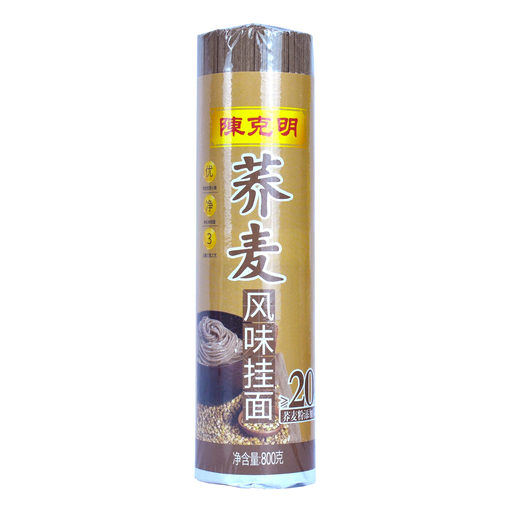 Image unavailable
Worth considering if you’re planning a noodle dish to share rather than a recipe using durum wheat pasta.
800 g pack. Check the ingredients, allergens and sugar information for the product before serving.
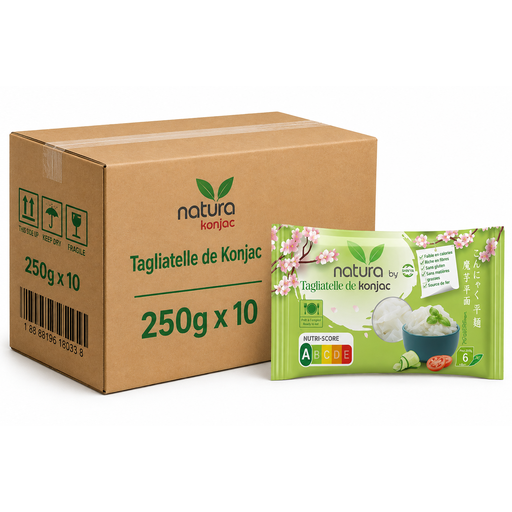 Image unavailable
Consider these for several meals using a pasta alternative, if konjac tagliatelle works with your recipe.
Pack of 10 × 250 g. Check that this pack size suits your needs, and look at the packaging for any information about sugars.
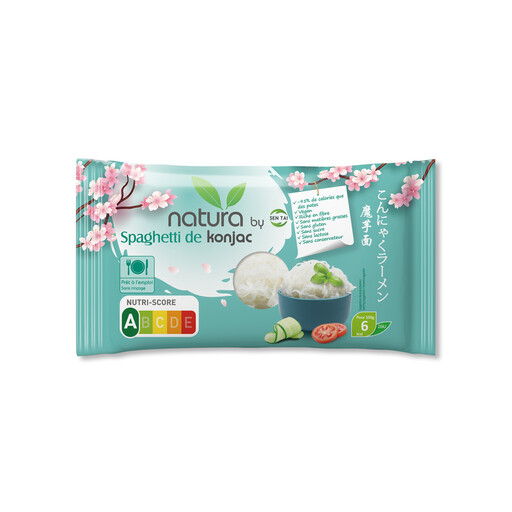 Image unavailable
Worth considering if you’d like to make a dish with konjac spaghetti rather than traditional pasta.
250 g pack. Check that the size suits the number of people you’re serving, and read the nutritional information for the exact product.
No. Sugars and carbohydrates are listed separately in the nutritional information. To compare products, check ‘carbohydrates’ and ‘of which sugars’ separately, using the same basis, such as per 100 g.
Check that the claim appears on the packaging of the product you’ve chosen, rather than relying on a keyword alone. In France, nutrition claims are governed by European Union rules, as the Directorate General for Competition Policy, Consumer Affairs and Fraud Control points out. You should also compare the nutritional information for similar products.
No. ‘Wholewheat’ and ‘high-protein’ describe other characteristics and don’t prove that a product contains less sugar. If the amount matters for your dinner, check the ‘of which sugars’ figure for each specific product.
Check the ingredients list and allergen information for the product you plan to serve. For example, Lustucru Sélection Tagliatelles 600 g lists durum wheat and eggs; don’t assume its ingredients are the same as those in other fresh pasta.