
Livraison le jour même ou le lendemain

Qualité garantie

Débloquez vos offres de bienvenue: Livraison GRATUITE | Jusqu'à -80 % | 30 jours d'essai gratuits à JoyPlus
Téléchargez l'application
Buying red wine online makes it easy to compare appellations, grape varieties and formats. But a well-written product page isn't always enough to find the right bottle for your meal or your cellar. Overly flattering descriptions, a misinterpreted vintage or poor storage conditions can quickly turn a promising purchase into a disappointment.
Here are the criteria to check before ordering, along with a selection of bottles suited to different buyer profiles.
A Bordeaux, a Burgundy red and a Beaujolais wine don't necessarily share the same profile. The appellation indicates a geographical origin and imposes certain production rules, but the final result also depends on the grape varieties, the vintage, the ageing process and the winemaker's skill.
A Saint-Émilion Grand Cru often suggests a structured texture with a Merlot dominance. Conversely, a Burgundy red made from Pinot Noir can be more delicate, with an expression leaning more towards red fruits. It's therefore better to look at the body, tannins, acidity and recommended food pairings rather than relying solely on the prestige of the name.
A powerful red wine doesn't suit every dish. A rich, tannic bottle can overpower a delicate poultry dish, while a soft wine may lack the backbone to stand up to grilled meat.
To choose a red wine to accompany a meal, start by identifying the main course. Red meats and aged cheeses generally pair well with structured wines. Charcuterie, roast poultry and certain stewed dishes call for fruity, balanced cuvées instead.
Even a well-chosen bottle can lose some of its expression if stored near a radiator, in an overly warm kitchen or in the light. Check the recommendations on the product page and plan for a cool, dry place away from strong temperature fluctuations.
Serving temperature also plays a key role. It can range from around 12 to 15 °C for some softer wines to 16 to 18 °C for more structured Bordeaux. Served too warm, the wine tastes more alcoholic. Too cold, it becomes harsher and its aromas are less expressive.
Before confirming your basket, check three things:
Bordeaux lovers can compare a Médoc, often built around Cabernet Sauvignon, with a Saint-Émilion Grand Cru more marked by Merlot. For a fruitier, more approachable style, a Beaujolais wine made from Gamay is an interesting option.
The red wine 75 cl format is perfect for a meal with several people or for a tasting at home. Also remember to check the alcohol content, shown on the product page and on the label. The bottles in this selection range from 8% vol. for a Lambrusco to 14.5% vol. for a Médoc.
The alcohol content alone isn't enough to predict the taste of the wine. It should be considered alongside its freshness, any residual sweetness and its structure.
Most of the references shown indicate the presence of sulphites. Those who are sensitive should take this into account when making their choice. Also check the origin, net volume, producer, serving temperature and recommended storage duration.
Alcohol consumption is for adults only. It is not recommended during pregnancy and should be enjoyed in moderation. Alcohol abuse is dangerous to your health.
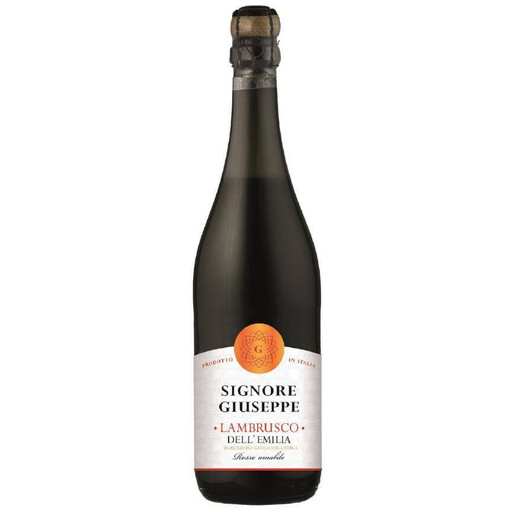
Why this choice suits this profile: This Italian Lambrusco, fruity, fresh and slightly sweet, is 8% vol. It works equally well as a first discovery or a convivial aperitif.
The page specifies the alcohol content, serving between 8 and 10 °C and a fairly early drinking window. So there's no risk of confusing it with a wine for laying down.
75 cl format, Emilia-Romagna origin, blend of Lambrusco grapes and red fruit notes.
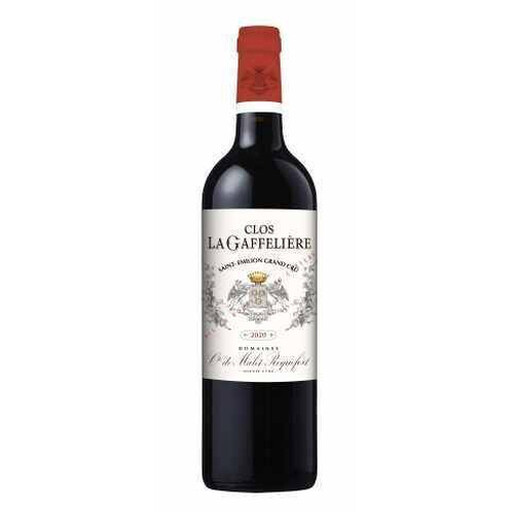
Why this choice suits this profile: This appellation from Bordeaux's right bank shows, according to the product page, a marked structure, black fruit aromas and a persistent finish.
The origin, appellation, Merlot-Cabernet Franc blend, 14% vol. alcohol content and serving temperature are all clearly stated.
AOP Saint-Émilion Grand Cru, 750 ml format and structured profile, ideal with red meats.
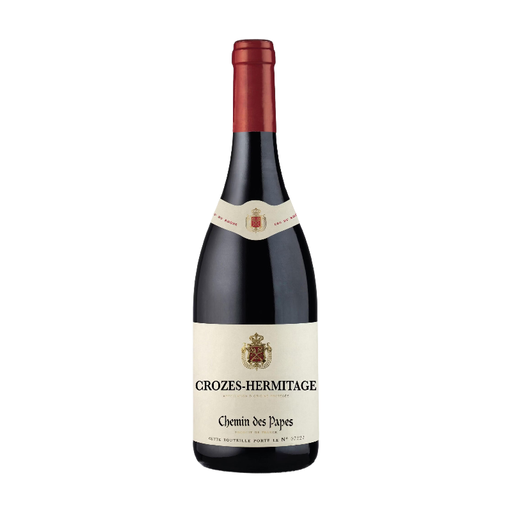
Why this choice suits this profile: Smooth and aromatic, with notes of red fruits, leather and spices, it pairs well with grilled meats and cheeses.
The page doesn't specify the grape variety, but details the regional style, 12.5% vol. alcohol content, food pairings and storage conditions.
AOP from the Rhône Valley, 750 ml bottle and recommended serving at a moderate room temperature.
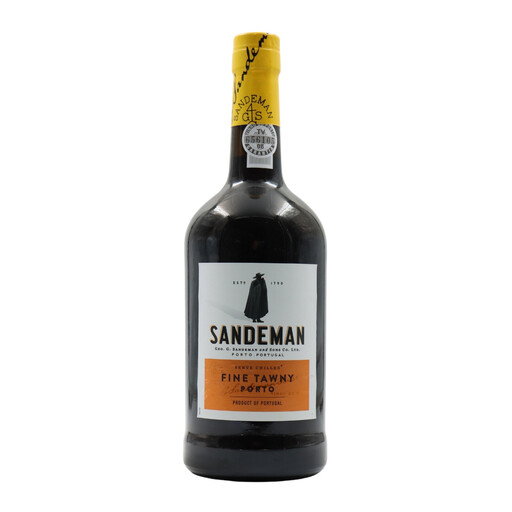
Why this choice suits this profile: This Tawny Port is aimed at those who enjoy a more concentrated bottle, to be sipped in small quantities or paired with a dessert.
Its 19.5% vol. alcohol content and serving temperature between 12 and 16 °C are clearly stated: it's not to be chosen like a standard table red wine.
Douro Valley origin, notes of vanilla and dried fruits, stated shelf life of up to eight weeks after opening.
We've put together a comprehensive list, updated in real time, of products that meet these strict selection criteria and the requirements of European safety regulations.
For a varied meal, go for a fruity, balanced red wine, such as a soft Bordeaux, a Beaujolais or certain Crozes-Hermitage. If the menu includes red meat or a stewed dish, a Saint-Émilion, Médoc or Lirac will bring more structure.
The length of time depends on the style of the wine, its alcohol content and how much is left in the bottle. Replace the cork, store it in a cool place and check the label or product page. The Tawny Port shown here can be enjoyed within eight weeks of opening, whereas a standard table red wine will generally evolve more quickly.
Start by comparing the appellation, grape varieties, alcohol content, tasting notes, serving temperature and suggested food pairings. Also check for the presence of sulphites, the origin, storage conditions and the exact format. This method allows you to choose a red wine purchase that's consistent with your tastes, your meal and your budget.