
Livraison le jour même ou le lendemain

Qualité garantie

Débloquez vos offres de bienvenue: Livraison GRATUITE | Jusqu'à -80 % | 30 jours d'essai gratuits à JoyPlus
Téléchargez l'application
Choosing a red wine is not simply a matter of picking up the first familiar label or the most expensive bottle on the shelf. Between appellations, grape varieties, vintages and sometimes overly flattering descriptions, it is easy to come away with a wine that suits neither the menu nor your guests’ tastes.
To avoid disappointment, the Joybuy Product Recommendation Officer helps you separate genuinely useful information from marketing promises. Here are the key points to consider before choosing a French red wine, an Italian red wine or a bottle for a special occasion.
A Bordeaux wine, a Burgundy or a Côtes-du-Rhône can offer very different profiles depending on the producer, vintage, blend and storage conditions. The appellation provides a geographical and regulatory framework, but on its own it cannot accurately predict how the wine will taste.
A Bordeaux Supérieur led by Merlot may be smooth and fruity, while a blend rich in Cabernet Sauvignon will generally be more structured. Burgundy Pinot Noir, meanwhile, often focuses on finesse and red fruit, whereas a Côtes-du-Rhône made from Syrah and Grenache tends to express more spice, dark fruit and a fuller texture.
A more expensive bottle is not necessarily the best choice for pizza, roast poultry or an aperitif. A wine marked by oak ageing or firm tannins can overpower a delicate dish. Conversely, a light red may lack the character to stand up to meat in a rich sauce.
The right choice depends above all on how you intend to use it: red wine to accompany a meal, a bottle to give as a gift, building a wine collection or hosting guests with very different tastes.
Served too warm, red wine can seem more alcoholic and its aromas may become heavier. If it is too cold, it can taste harsh and closed. The temperature listed on the product page is a useful guide, as is the recommended aeration time for certain wines.
Remember to check for sulphites, an allergen that must be shown on the label, as well as the alcohol content. Alcohol may only be consumed by adults and is not recommended during pregnancy.
Grape varieties give you an initial idea of the style of wine to look for:
A blend can bring several of these characteristics together. The E. Guigal Côtes-du-Rhône, for example, contains 50% Syrah, 40% Grenache and 10% Mourvèdre, with an alcohol content of 14.5% vol. These details tell you much more than a simple reference to “character”.
For a family meal without complicated preparation, a Bordeaux Supérieur can offer an appealing balance of fruit, structure and versatility. For more refined cuisine, a Margaux or Saint-Émilion Grand Cru will offer a different expression, often with greater aromatic precision.
A Haut-Médoc is a natural partner for red meat, while Pinot Noir pairs well with roast poultry or a charcuterie platter. For a relaxed, celebratory occasion, a Lambrusco served chilled or a red sangria may be more suitable than a highly tannic wine.
The 75 cl bottle of wine remains the most common format and serves around six glasses, depending on how much is poured. Before placing your order, check:
A bottle to open over the next few days should not be chosen in the same way as a wine intended to age for several years. Ageing recommendations are estimates provided by the producer and may vary depending on storage conditions.
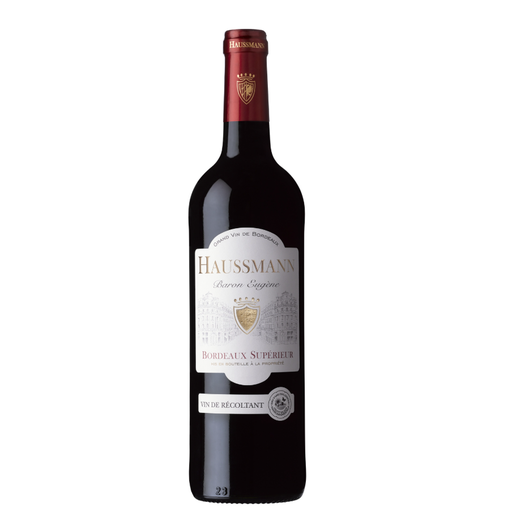
Why this choice suits this profile : Its Bordeaux Supérieur appellation and presentation focused on sharing make it a suitable option for a first purchase intended for everyday meals.
The product details specify the appellation, 75 cl format, presence of sulphites and storage conditions, rather than relying solely on general promises.
Bordeaux Supérieur, 75 cl format and a profile described as rounded and balanced for meals to share.
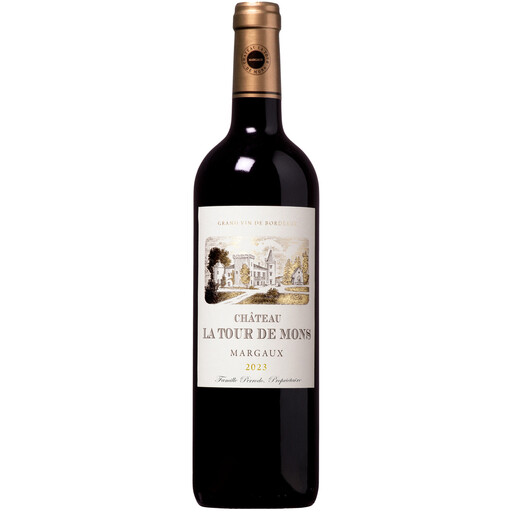
Why this choice suits this profile : This Bordeaux appellation is aimed at those looking for a wine with oaky, spicy and fruity notes, with a finish described as harmonious.
The blend is detailed: Merlot, Cabernet Sauvignon, Cabernet Franc and Petit Verdot. The 17 °C serving temperature and stated ageing potential of up to 10 years are also specified.
Detailed blend, 13% vol and clearly stated serving temperature.
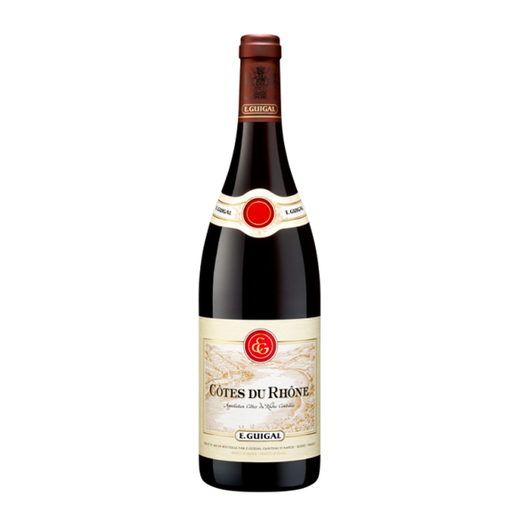
Why this choice suits this profile : Its Rhône blend and generous profile make it a versatile partner for red meat, slow-cooked dishes and spicy recipes.
The composition — 50% Syrah, 40% Grenache and 10% Mourvèdre — along with the stated ageing in large oak vats, helps you understand its style more clearly.
AOP Côtes du Rhône, 75 cl format, documented blend and an alcohol content of 14.5% vol.
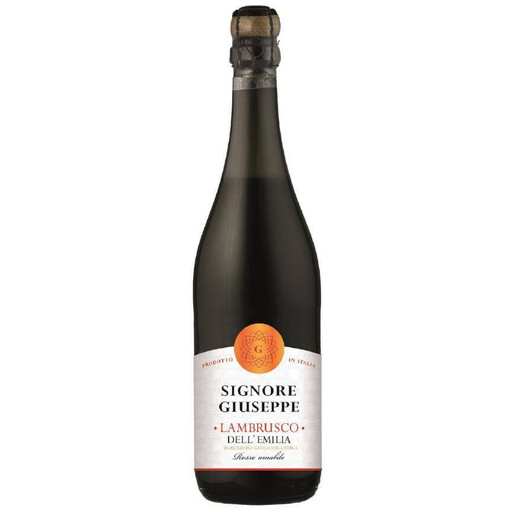
Why this choice suits this profile : This sparkling Italian red from Emilia-Romagna is served chilled and pairs easily with an aperitif or simple, generous cooking.
The 8% vol alcohol content, recommended serving temperature — between 8 and 10 °C — and fruity profile are clearly stated.
75 cl format, a blend of Lambrusco grape varieties and chilled serving, making it well suited to festive occasions.
To create a well-balanced pairing, start with the intensity of the dish:
A more tannic red wine will generally pair better with a dish rich in protein and fat. For a vegetarian dish, choose a fruity, smooth wine so that it does not overpower the flavours of the vegetables and spices.
We have put together a complete, real-time selection of products that meet these demanding selection criteria as well as European safety regulations.
It depends on its style. A light or very fruity wine can be served at around 12 to 14 °C, while a structured Bordeaux or Côtes-du-Rhône often shows at its best between 16 and 18 °C. Always check the guidance on the product page or label.
A resealed bottle stored in the fridge will generally remain enjoyable for a few days. The length of time depends on its level of oxidation, the style of wine and how much remains. A higher-alcohol red Port will not keep in the same way as a still wine.
A fruity Bordeaux Supérieur, a balanced Côtes-du-Rhône or a Pinot Noir with soft tannins are good options for a range of menus. When entertaining, also check the alcohol content, 75 cl format and serving temperature so that you can choose a bottle suited both to the number of guests and the meal planned.