
Livraison le jour même ou le lendemain

Qualité garantie

Débloquez vos offres de bienvenue: Livraison GRATUITE | Jusqu'à -80 % | 30 jours d'essai gratuits à JoyPlus
Téléchargez l'application
Short on time and kitchen inspiration?? Red pesto, or pesto rosso for the purists, is the secret weapon for transforming a plain pasta dish or a simple slice of toast into a delight bursting with Italian flavour. The problem?: with dozens of options on the shelf, it's hard to know which one to choose. To help you see clearly, we've broken down the labels. Our goal?: to guide you to the sun-dried tomato pesto that will awaken your taste buds, without you falling for marketing traps.
Before we get to our selection, here are a few key points to check on the label to ensure you make the right choice.
The secret to a good red pesto lies primarily in the quality and preparation of the tomatoes.
The traditional pesto rosso recipe typically includes cheese and nuts, but many variations now cater to all dietary needs.
The oil is the binder for the recipe. While sunflower oil is most common for its neutral taste, the presence of extra virgin olive oil is a real plus?: it adds fruity notes and a touch of authenticity to your tomato pasta sauce.
Here are three options that stand out for their ingredients and taste, catering to different preferences.
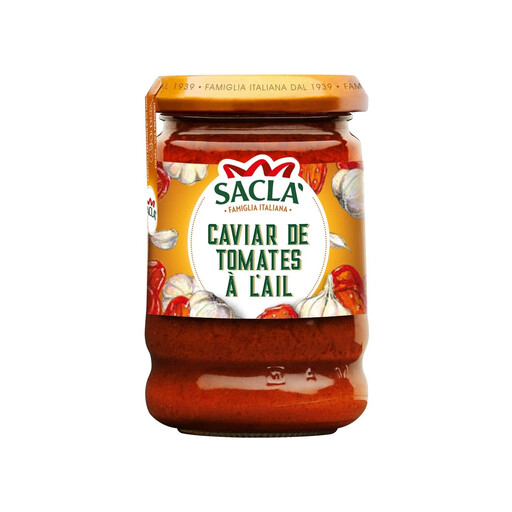
Why it stands out?: Marketed as a tomato caviar, this version from Sacla focuses on a simple and intense recipe. Made without cheese or nuts, it's suitable for many diets. The flavour is built on a combination of tomatoes (52?%), sun-dried tomatoes (15?%), and a distinct hint of garlic (3?%).
Highlights?:
Who is it for?? The ideal choice for those seeking a pure, powerful tomato flavour without the notes of cheese. It's perfect for individuals with lactose intolerance or nut allergies.
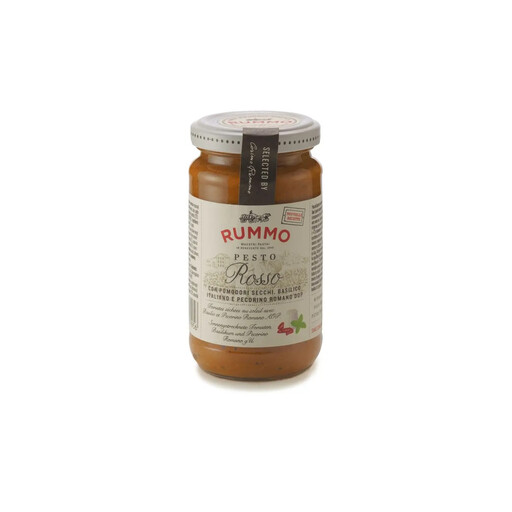
Why it stands out?: Renowned for its pasta, the Rummo brand offers a pesto rosso with a particularly creamy texture. The addition of Ricotta (6?%) and Pecorino Romano PDO (2?%) lends a smoothness that perfectly balances the intensity of the sun-dried tomatoes and tomato concentrate.
Highlights?:
Who is it for?? Ideal for those who love a creamy and indulgent red pesto sauce to generously coat pasta or gnocchi. The perfect choice for fans of traditional Italian recipes who appreciate a touch of creaminess.
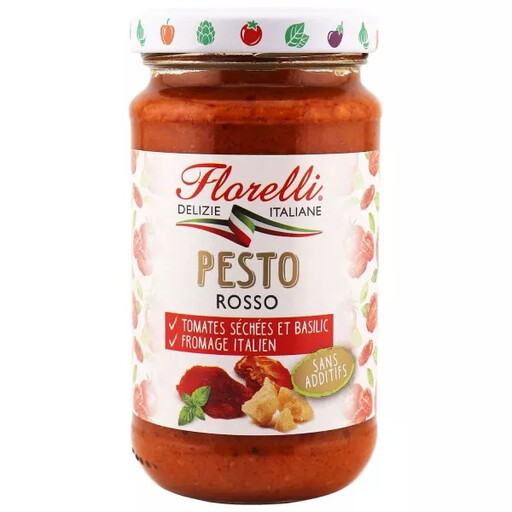
Why it stands out?: Florelli's pesto goes for richness and density. It combines a base of tomato purée (35?%) and sun-dried tomatoes (15?%), enriched with a double dose of Italian cheese?: Grana Padano and Pecorino Romano. Cashew nuts complete the recipe, creating a thick texture and a very bold flavour.
Highlights?:
Who is it for?? This pesto is for food lovers seeking a sauce with a strong character and a thick texture. Its richness makes it a tomato pasta sauce that stands on its own for a simple yet characterful meal.
Our selection showcases three very different red pestos, but the tomato sauce and spread aisle is full of other gems. To discover different textures, more original recipes, or simply find your perfect match, feel free to browse our dedicated category.
Discover our full range of tomato condiments
1. What is the difference between red pesto and green pesto?? The main difference is the star ingredient. Green pesto (pesto alla genovese) is all about fresh basil, combined with pine nuts, garlic, cheese (Parmigiano Reggiano and/or Pecorino), and olive oil. Red pesto (pesto rosso), on the other hand, replaces much of the basil with sun-dried tomatoes or tomato concentrate, which gives it its distinctive colour and flavour.
2. How do I store an opened jar of red pesto?? An opened jar of pesto should be stored in the refrigerator. A little trick to extend its freshness?: cover the surface with a thin layer of olive oil before closing the lid. Depending on the brand, it is recommended to consume it within 3 to 14 days. Always follow the instructions on the packaging.
3. Does red pesto contain allergens?? Yes, many sun-dried tomato pesto recipes contain allergens. The most common are milk (from cheese), nuts (cashews, pine nuts), and eggs (sometimes present in certain cheeses like Grana Padano). Sun-dried tomatoes may also contain sulphites as a preservative. The essential step, especially if you have an allergy or intolerance, is to always check the full ingredient list on the label before buying.