
Livraison le jour même ou le lendemain

Qualité garantie

Débloquez vos offres de bienvenue: Livraison GRATUITE | Jusqu'à -80 % | 30 jours d'essai gratuits à JoyPlus
Téléchargez l'application
By our Joybuy product expert, July 28, 2026
Craving a nostalgic childhood dessert or tempted by a classic Asian treat? Navigating the options can be tricky. The red bean sesame ball, a staple of Asian pastry, instantly brings back memories of family celebrations and pure indulgence. Whether you call it jian dui (fried) or tangyuan (boiled), finding the perfect frozen version requires a discerning eye.
This guide is here to help. We'll break down the differences, give you the keys to making the right choice, and present our top picks for savouring this famous frozen Chinese dessert right from your own kitchen.
A few key criteria are all you need to find a product that's guaranteed to delight.
This is the first and most important criterion, as the cooking method radically transforms the texture and mouthfeel.
Red bean paste (azuki) is the heart and soul of this dessert. Its flavour can vary dramatically:
Take a look at the ingredient list. The base must be glutinous rice flour to achieve that signature chewy texture. The filling-to-dough ratio is also a good indicator of the product's quality and generosity. Finally, consider the package size: a 200g bag is perfect for one or two people, while a 400g family-size pack is better suited for treating the whole table.
To guide you, here are three products that stand out from the crowd, each with its own unique character.
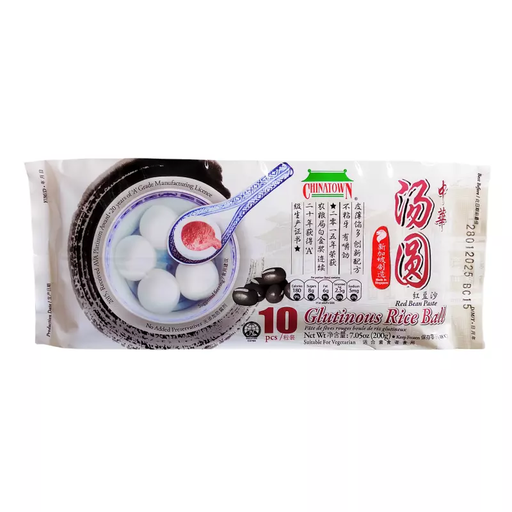
Why we love it: This product is the epitome of the traditional tangyuan. Designed to be boiled, this glutinous rice ball offers a soft, melt-in-your-mouth texture, true to the desserts served at major Asian festivals.
Pros:
Who is it for?: For those who want to recreate the authentic tangyuan experience during celebrations like the Lantern Festival, or for anyone who prefers boiled desserts, which are lighter than their fried counterparts.
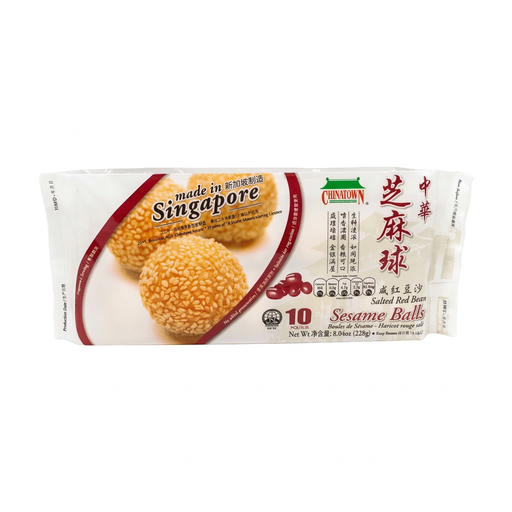
Why we love it: This version of jian dui goes off the beaten path with its filling. The hint of salt added to the red bean paste creates a surprising sweet-and-salty balance that tantalizes the taste buds and cuts through the richness of the fried dough.
Pros:
Who is it for?: For curious foodies looking for complex flavours and a new take on a classic. It's also the perfect choice for those who find traditional Asian desserts a bit too sweet.
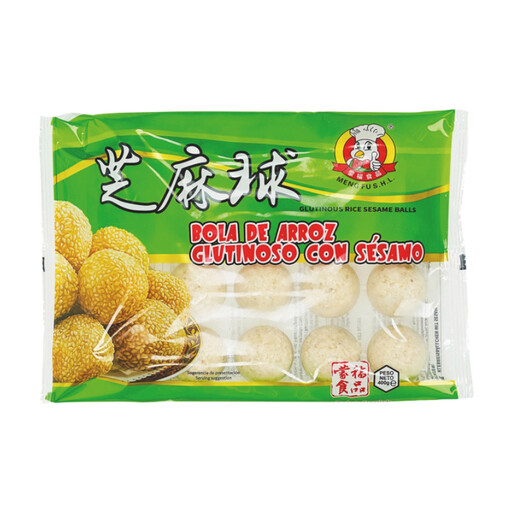
Why we love it: This product offers a classic jian dui in a generous family-size pack, perfect for sharing or for entertaining guests. Its key advantage? Versatility. It can be deep-fried traditionally or baked in the oven for a lighter, equally simple version.
Pros:
Who is it for?: For families, those who love to entertain, or anyone who wants to have a convenient and crowd-pleasing Asian snack on hand in their freezer.
Has our selection whetted your appetite, but you're looking for something else? Or perhaps you're curious to discover other specialities like sesame coconut balls or other filled dumplings?
Feel free to browse our Filled Balls section to explore all the possibilities.
Although they share base ingredients like glutinous rice flour and red bean filling, they are two distinct desserts. The red bean sesame ball (jian dui or tangyuan) is a Chinese speciality that is always eaten hot, after being cooked (fried or boiled). The red bean mochi (daifuku), on the other hand, is a Japanese pastry that is typically eaten cold, without any prior cooking of the rice wrapper.
For perfect results, it's best to follow the instructions on the package.
To best enjoy their texture, it is highly recommended to eat them right after cooking. Fried balls quickly lose their crispiness, while boiled balls tend to harden as they cool. If you have leftovers, store them in an airtight container in the refrigerator for up to 24 hours. You can reheat them for a few minutes in the oven or air fryer, but don't expect to get the exact same texture as when they were freshly made.