
Livraison le jour même ou le lendemain

Qualité garantie

Débloquez vos offres de bienvenue: Livraison GRATUITE | Jusqu'à -80 % | 30 jours d'essai gratuits à JoyPlus
Téléchargez l'application
Anko red bean paste is the sweet heart of many Japanese pastries, from melt-in-your-mouth mochi to comforting dorayaki. Yet, when it comes to buying it, navigating unclear labels can be a challenge. It's easy to fall into common traps that can ruin a recipe. As a product expert at Joybuy, my mission is to help you make an informed choice.
Before you get started, here are two pitfalls to avoid at all costs to save your money and time:
To ensure your pastries are a success every time, focus on two essential points before you buy anko online or in-store.
This is THE defining factor for the mouthfeel of your desserts. The distinction is simple, but crucial.
Choosing between tsubuan and koshian isn't a matter of quality, but of suitability for your recipe.
A good azuki bean paste can be identified by its clean ingredient list. The shorter, the better. The basic components are:
Some preparations may contain sweeteners like sorbitol (E420) for preservation and texture, which is common and safe. However, be wary of long ingredient lists with numerous additives or artificial flavourings that could detract from the authentic taste of anko.
To guide you, here are a few trusted recommendations, suited for different uses and profiles.
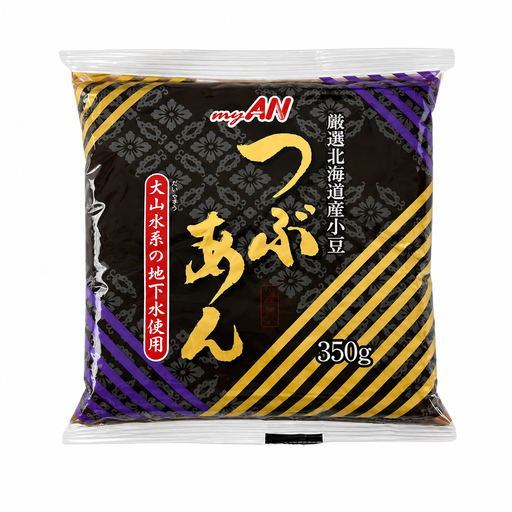
Why we chose it: Ideal for those seeking the traditional, chunky texture of anko. Perfect for filling dorayaki or taiyaki, where this rich consistency is especially appreciated.
The name "Tsubu-an" is clearly indicated, which eliminates any ambiguity about the texture. You know you are buying a chunky paste.
It offers a rich, rustic texture that adds character to traditional desserts. The ingredient list is simple and effective.
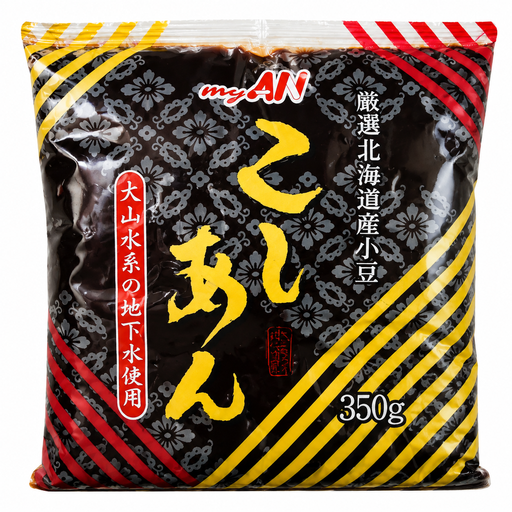
Why we chose it: For pastry chefs who aim for perfection. This smooth paste is essential for mochi with a silky texture, elegant daifuku, or Japanese jellies without the slightest graininess.
The "Koshi-an" designation and the word "Smooth" guarantee you a fine, sieved paste. There's no risk of mistakenly grabbing a chunky version, which is unsuitable for delicate preparations.
Its ultra-smooth texture allows for seamless integration into doughs and creams, ensuring a professional result and a very pleasant mouthfeel.
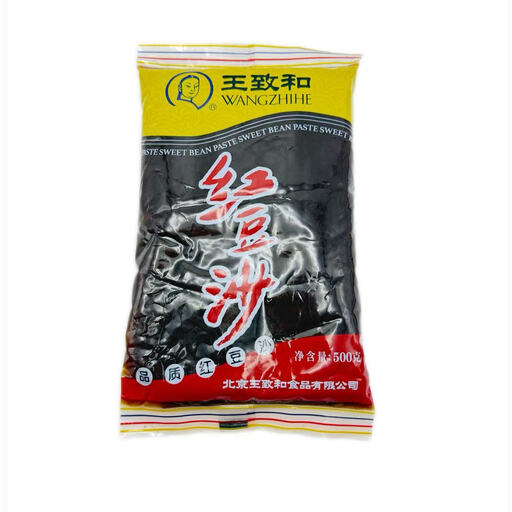
Why we chose it: For those who regularly make Asian desserts or need a larger quantity. This generous size is practical and cost-effective for frequent use.
This is a classic sweet red bean paste, clearly identified as a pastry filling. There's no risk of confusing it with savoury or fermented pastes from the same brand.
The 500g size offers great value for money. The paste is ready to use, which is a significant time-saver in the kitchen.
We have selected a full range of products for you that meet these quality criteria.
The difference is in the texture. Tsubuan is a coarse paste with pieces of beans, while koshian is a smooth, silky puree, made by sieving the mixture to remove the skins. The choice depends on the recipe and the desired mouthfeel.
Once opened, transfer the anko paste to an airtight container and store it in the refrigerator. It generally keeps for a few days. Always follow the storage instructions on the product's packaging.
Yes, absolutely. It just requires time and patience: you need to soak the azuki beans, cook them for a long time, then sweeten and mash them (and sieve them for koshian). Buying a ready-to-use anko red bean paste is a convenient solution that guarantees perfect consistency and taste, especially for beginners.