
Livraison le jour même ou le lendemain

Qualité garantie

Débloquez vos offres de bienvenue: Livraison GRATUITE | Jusqu'à -80 % | 30 jours d'essai gratuits à JoyPlus
Téléchargez l'application
The popularity of Asian desserts is steadily growing, and among them, the red bean dessert holds a special place. Prized for its subtle sweetness and unique texture, it comes in many forms, from melt-in-your-mouth mochi to comforting porridge. With an ever-expanding selection, it can be difficult to navigate the options and choose a quality product.
As a Product Curation Specialist at Joybuy, my role is to provide clear, objective guidance to help you make an informed choice, away from sometimes confusing marketing claims. This guide focuses on factual criteria, such as ingredients and nutritional information, to direct you towards products that meet your expectations.
To navigate the world of Asian desserts, a few simple checks can help you assess a product's quality before you even buy it. Here are some practical tips based on the information available on the packaging.
European regulations require precise labelling. Take the time to read it.
The nutritional table, standardised per 100g or 100ml, is a valuable source of information. It allows you to objectively compare products on a concrete basis:
Knowing a product's origin and the identity of the company responsible for it in Europe is a mark of transparency. This information, which is mandatory, typically includes the country of manufacture and the contact details of the European distributor or importer.
Based on the objective criteria mentioned above, here is a selection of products that illustrate the diversity of red bean desserts.
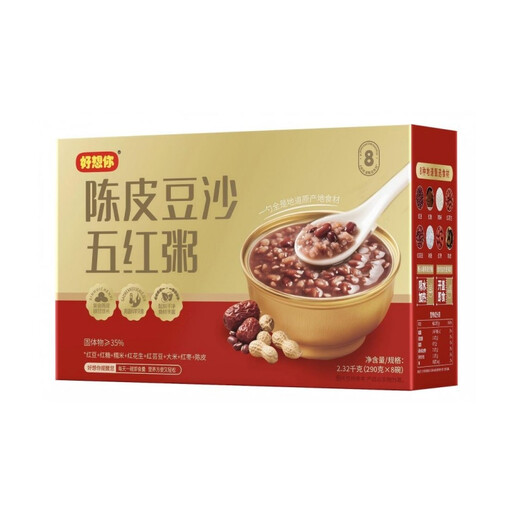
Why we recommend it This red bean porridge is a classic interpretation of the Cantonese dessert. Its recipe, which combines red beans, dates, peanuts, and adzuki beans, offers a rich and creamy texture. The addition of dried tangerine peel (≥0.1%) provides a fresh, distinctive note. It is a convenient, ready-to-eat option.
Pros
Who is this product for? Ideal for those looking for a comforting and quick-to-prepare breakfast or snack. Its generous size (8 servings) is also suitable for family use.
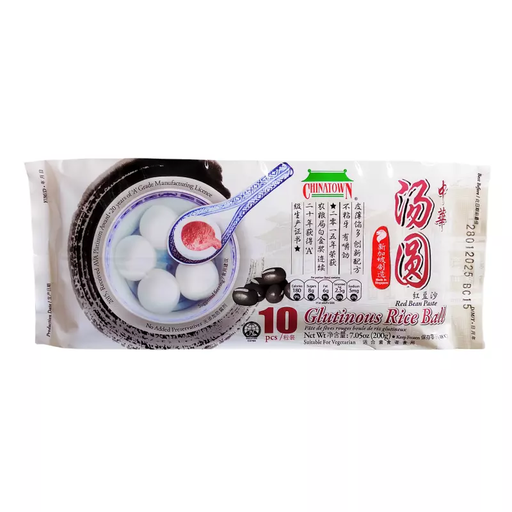
Why we recommend it These red bean glutinous rice balls, also known as tangyuan, are a staple of traditional Chinese festivals. This frozen product features a soft glutinous rice wrapper with a smooth and moderately sweet red bean paste filling. It is an uncooked product that you prepare yourself, allowing you to recreate the experience of a homemade Chinese dessert.
Pros
Who is this product for? Aimed at home cooks who want to prepare a traditional dessert. It's an excellent choice for enjoying with family or friends during a social gathering.
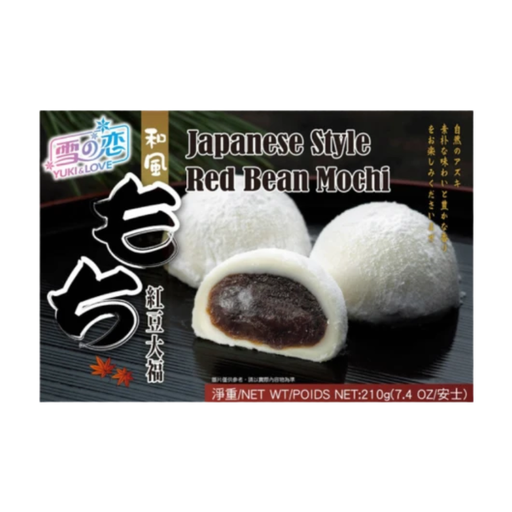
Why we recommend it This red bean mochi from the Yuki & Love collection offers a tasting experience typical of the Japanese rice cake. The soft glutinous rice casing pleasantly contrasts with the sweet and smooth anko (red bean paste) filling. Its individual packaging makes it especially convenient.
Pros
Who is this product for? Perfect for curious foodies who want to discover mochi, or for those looking for a convenient and refined snack to enjoy with tea or coffee.
The richness of Asian desserts extends far beyond red beans. Many other staple ingredients, such as different varieties of rice, are used to create desserts with diverse textures and flavours. For those who wish to explore further and try their hand at their own creations, our selection of red rice can offer interesting options for your homemade preparations.
1. What is red bean paste (anko)? Anko is a sweet paste made from azuki beans (a variety of red bean) that are boiled, mashed, and then sweetened. It is a fundamental ingredient in many Japanese, Chinese, and Korean desserts. Several variations exist, from a smooth paste (koshian) to a chunky paste with whole beans (tsubuan).
2. How should red bean desserts be stored? Storage depends on the type of product. Dry goods like individually wrapped mochi can be kept at room temperature in a cool, dry place. Canned products, such as porridge, must be refrigerated after opening and consumed quickly. Finally, frozen products like tangyuan must be kept at -18°C and should never be refrozen after thawing.
3. Are red bean desserts very sweet? The perception of sweetness is subjective, but generally speaking, the sweetness of traditional red bean desserts is often more subtle than that of many Western pastries. The earthy, slightly nutty flavour of the red bean balances the sugar. Checking the "of which sugars" value per 100g on the nutritional table is the best way to get an accurate idea.