
Livraison le jour même ou le lendemain

Qualité garantie

Débloquez vos offres de bienvenue: Livraison GRATUITE | Jusqu'à -80 % | 30 jours d'essai gratuits à JoyPlus
Téléchargez l'application
Whether you're craving a comforting breakfast or looking to explore new flavours, the red bean bun is a beloved classic in Asian cuisine. But finding the perfect one—that combines authentic taste with quick preparation—isn't always easy. As a product expert at Joybuy, my job is to guide you through the maze of options to help you make the right choice, with no marketing fluff. Follow this guide to bring that authentic delight into your home, featuring my expert advice and top picks.
To make the right choice, here are the key criteria to keep in mind.
Red bean pastries come in several different textures. The most famous is undoubtedly the steamed Chinese bun, or baozi, known for its white, airy, and incredibly soft dough. On the other end of the spectrum is the sesame ball (jian dui), made from glutinous rice flour. It offers a crispy shell after frying and a soft, chewy centre. Your preference for one of these textures will naturally guide your choice.
The main advantage of these products is their convenience. As a frozen Asian snack, they are designed for quick and easy preparation. The buns can be steamed in just a few minutes, which preserves their soft texture. Sesame balls, on the other hand, can be deep-fried, baked, or even air-fried for a perfectly crispy finish. Simply consider the equipment you have on hand and the amount of time you want to spend.
The foundation of these treats is sweet red bean paste (anko), but variations exist. Some recipes stick to traditional sweetness, while others add a hint of salt for a surprising contrast, or include ingredients like citrus zest to flavour the filling. Deciding on the flavour profile you're craving will help you find your perfect match.
Here are a few gems we've selected, each with its own unique character.
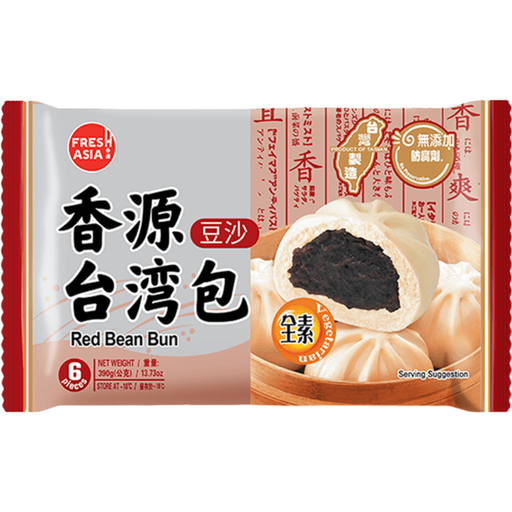
Why we love it?: This bun is the quintessential classic and comforting version of the red bean baozi. Its dough, made using a controlled fermentation process, is incredibly soft and white. Its smooth, sweet filling is sure to please everyone.
Highlights?:
Who is it for?? For fans of classic flavours and anyone looking for a simple, quick, and comforting breakfast or snack.
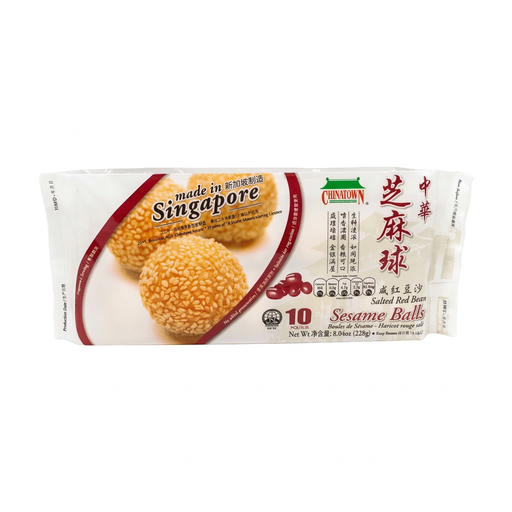
Why we love them?: These sesame balls stand out with a filling that marries the sweetness of red bean paste with a hint of salt. This bold combination, paired with the crispy-chewy texture of the glutinous rice dough, makes for a truly original Asian dessert.
Highlights?:
Who is it for?? For those who enjoy textural play and complex flavours, and want to try an alternative to the traditional steamed bun.
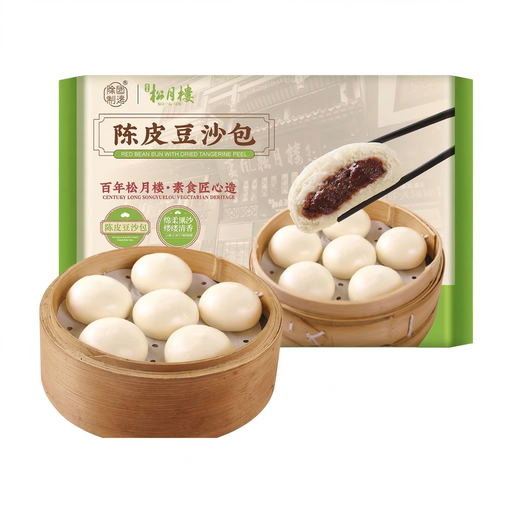
Why we love it?: Songyuelou puts a new spin on the red bean bun by adding a refined ingredient: dried tangerine peel (chenpi). This citrusy touch adds a fragrant note and a hint of bitterness that elevates the sweetness of the filling.
Highlights?:
Who is it for?? For foodies looking to rediscover a classic with a fresh, original twist.
This selection is just a taste of the treasures you can find. If you want to explore other red bean buns, desserts, or snacks, feel free to browse our full range.
Discover Our Full Range of Red Bean Products
The easiest method for a steamed Chinese bun is to use a steamer basket. Place the frozen buns on parchment paper and steam them for 10 to 15 minutes over simmering water. For sesame balls, the traditional method is to deep-fry them over medium heat (around 160?°C / 320?°F) until golden brown. Baking or air frying (at around 180?°C / 350?°F for 10-15 minutes) are excellent, less-oily alternatives.
Sweet red bean paste, better known in Japan as Anko, is made from adzuki beans (a variety of small red beans). The beans are boiled, mashed, and then simmered with sugar until a smooth or chunky paste is formed. Sometimes, a little oil is added for a creamier texture.
They can be both! A red bean bun is often enjoyed for breakfast or as a snack (as part of a dim sum assortment, for example). Specialties like sesame balls or mochi are more commonly considered an Asian dessert. Their versatility allows them to be enjoyed at different times of the day, depending on your cravings and cultural traditions.