
Livraison le jour même ou le lendemain

Qualité garantie

Débloquez vos offres de bienvenue: Livraison GRATUITE | Jusqu'à -80 % | 30 jours d'essai gratuits à JoyPlus
Téléchargez l'application
A rechargeable electric toothbrush can simplify your daily routine, but not all models are created equal. With promises of extra-long battery life, countless programmes and ‘smart’ features, it’s easy to pay for options you’ll never actually use.
Before you place an order, three pitfalls are worth keeping in mind:
The two main types are the sonic toothbrush and the oscillating-rotating toothbrush. The first generates rapid vibrations and glides gradually along your teeth. The second uses a small round head that cleans each tooth individually.
The choice really comes down to your habits. An electric toothbrush for adults with a round head can suit people who like to treat each area separately. Sonic technology will appeal more to those who prefer to glide the head across the whole mouth.
In either case, look for:
A model with a two-minute timer helps structure each session. 30-second reminders are handy for dividing your time between the four zones of your mouth. That said, this feature doesn’t replace the recommendations in the manufacturer’s instructions.
The pressure sensor is particularly useful if you tend to brush too hard. Depending on the model, a light, a vibration or a drop in power will alert you to excessive pressure. Make sure to check for it in the specifications: some devices offer several intensity levels but no sensor at all.
A toothbrush with long battery life is practical if you travel often or if the charging base isn’t easily accessible in your bathroom. However, advertised battery lives of 90, 150 or 180 days should be taken with a pinch of salt: they usually correspond to a specific number of sessions and a particular usage mode.
For a travel electric toothbrush, also remember to check:
Even if it’s water-resistant, a toothbrush should be rinsed and dried after use. The charger should not be placed in an area exposed to splashes. The IPX7 rating means it can withstand temporary immersion under standardised conditions, while IPX8 indicates longer or deeper immersion, according to the manufacturer’s criteria. These ratings don’t mean all accessories are waterproof.
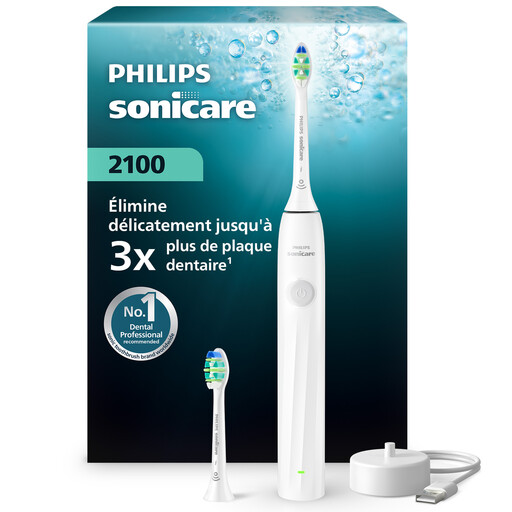
Why this choice suits this profile: its two intensity levels, EasyStart function and advertised battery life of up to 14 days make the switch from a manual toothbrush easier.
The specification details the intensity levels, the two-minute timer and the zone-change reminders, rather than relying on a vague promise.
Sonic technology, included InterCare brush head, SmarTimer, QuadPacer and charging designed for daily use.
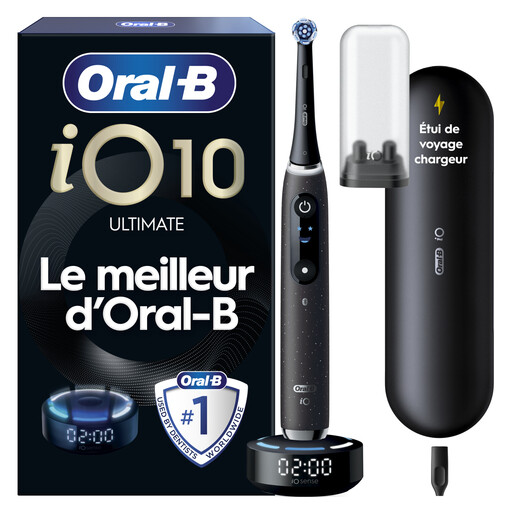
Why this choice suits this profile: this model is aimed at those who want detailed tracking, multiple programmes and a charging case for travel.
The specification clearly distinguishes the seven modes, the pressure sensor, the display and the position detection. You can therefore judge the real value of each feature.
Seven modes, pressure sensor, Bluetooth connectivity, smart charger and rechargeable travel case.
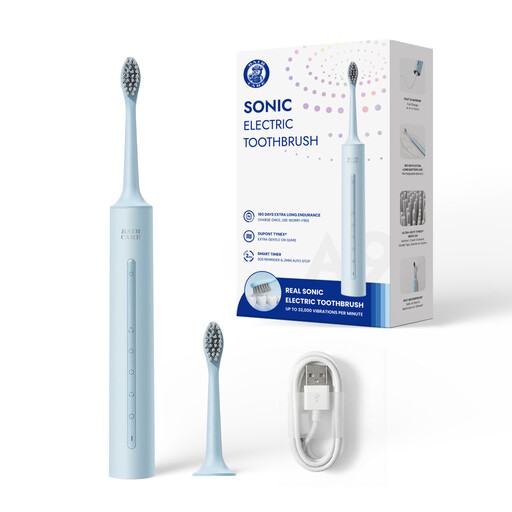
Why this choice suits this profile: its advertised battery life of up to 180 days, five modes and three intensity levels can suit both regular use and long trips.
The advertised battery life comes with information about the modes, intensities, timer and IPX7 rating: check the usage conditions in the manual.
Rechargeable, sonic technology, five modes, three intensity levels, smart timer and IPX7 handle.
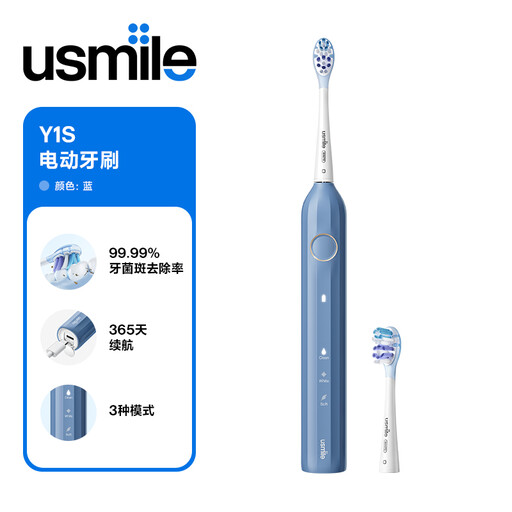
Why this choice suits this profile: its three modes, timer and travel case meet the needs of those who move between home, business trips and holidays.
The included case reduces the number of accessories you need to pack, while the timer and its 30-second reminders structure your brushing session.
Sonic technology, three modes, smart timer, travel case and advertised battery life of up to six months.
We’ve put together a comprehensive, real-time selection of products that meet these demanding criteria and European safety regulations.
It depends entirely on the model and the charger. A full initial charge may be recommended before first use. Check the manual rather than relying solely on the indicator light. USB-C models and those with a proprietary base can also have very different charging times.
The handle can work for several years if properly maintained and charged, but the battery will gradually lose its capacity. The brush head should be replaced according to the manufacturer’s recommendations, usually every three months or so, or as soon as the bristles show signs of wear. Before buying, also check the price and availability of compatible replacement heads.
The electricity used for charging is generally very low. The main cost comes from replacement heads, any additional accessories and the battery’s lifespan. To compare two models, add up their purchase price and the estimated cost of replacement heads over the period you plan to use them.