
Livraison le jour même ou le lendemain

Qualité garantie

Débloquez vos offres de bienvenue: Livraison GRATUITE | Jusqu'à -80 % | 30 jours d'essai gratuits à JoyPlus
Téléchargez l'application
An electric toothbrush can make daily brushing simpler and more consistent, but not all models meet the same needs. With oscillating technology, sonic movement, pressure sensors and promises of record battery life, it’s easy to pay for features you’ll barely use.
To make a smart choice, it’s best to focus on the features that really matter, the cost of replacement heads and how easy the brush is to use. Here are the criteria to consider before buying a rechargeable toothbrush.
A high number of movements per minute might sound impressive, but it doesn’t tell you how comfortable or effective a brush actually is. A sonic toothbrush, like the Philips Sonicare models, works with rapid vibrations and a slow movement along the teeth. Oral-B brushes from the Pro and iO ranges rely on an oscillating, rotating and pulsating action instead.
The right choice therefore depends on your habits and how the brush feels. A very dynamic technology can be off-putting for people with sensitive gums, while sonic movement sometimes takes a few days to get used to.
Brushing hard doesn’t make cleaning more effective. On the contrary, too much pressure can become uncomfortable, especially around the gum line. A pressure sensor usually warns you with a light, sound or vibration when you’re pressing too hard.
However, do check exactly how it works. Some devices automatically reduce vibrations or speed, while others simply show an alert. That difference matters if you tend to press down instinctively.
Battery life expressed in days needs to be considered alongside how often you brush. The presence of a travel case, a USB charger or a charging base can also make a real difference day to day.
Brush heads generally need replacing every three months or so, depending on the condition of the bristles and the manufacturer’s recommendations. Before you buy, check their availability and compatibility with the handle you choose. An Oral-B iO head, for example, isn’t designed for an Oral-B Pro handle.
Oscillating-rotating models surround each tooth with a small round head. Sonic models use an elongated head driven by a vibrating motion. There’s no one ideal setup for everyone: prioritise a comfortable grip and a brushing action that doesn’t encourage you to press hard.
If you have sensitive teeth, choose a brush head with soft bristles or a gentle mode. The Philips Sonicare Series 6100, for instance, comes with an S2 Sensitive head and offers two brushing modes plus three intensity levels, according to its product listing.
A 2-minute timer combined with regular alerts helps you divide brushing time evenly across the four zones of your mouth. This feature is valuable even on a basic electric brush: it stops you from rushing the session or consistently neglecting the same area.
Some models tell you when to move to the next zone every 30 seconds, while others offer more frequent guidance. The Philips Sonicare Series 7100, for example, uses a 20-second BrushPacer guide alongside the two-minute timer.
For home use, a standard charging base is perfectly adequate. If you travel often, long battery life and a protective case will be far more practical. The IPX7 rating shown on some handles means the brush body can withstand temporary immersion under the stated conditions. It doesn’t necessarily mean the charger is waterproof.
Never submerge the charging station or adapter in water. After each use, rinse the head and let it air dry before storing the brush in its case.
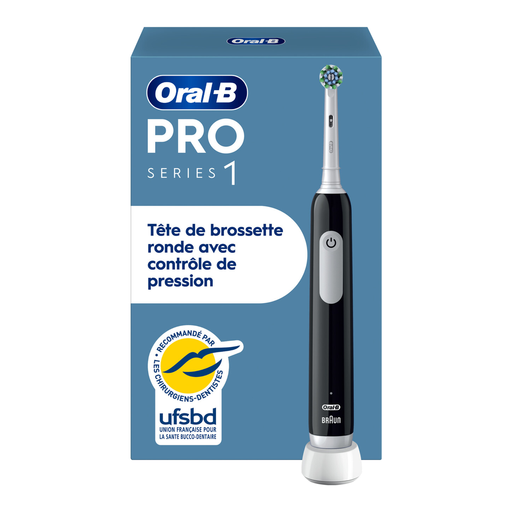
Why this choice suits this profile: This rechargeable brush keeps things simple, with a two-minute timer and built-in pressure sensor, no app or complicated settings.
It avoids paying for unnecessary connectivity while still offering time guidance and speed reduction when you press too hard.
Oscillating-rotating technology, IPX7 handle, CrossAction head included and alerts every 30 seconds.
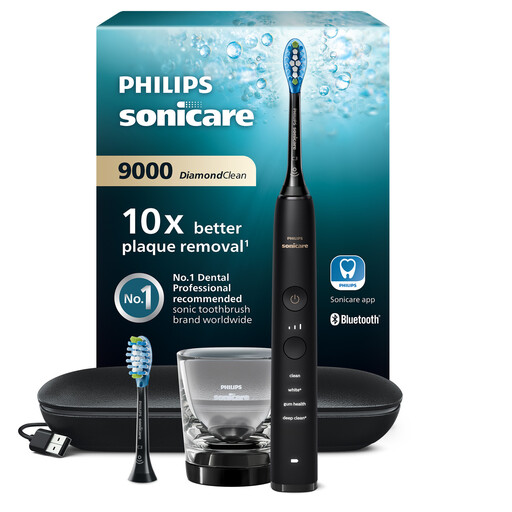
Why this choice suits this profile: This model is for those who want to personalise their routine with four modes, three intensities and optional tracking in the app.
The settings are clearly labelled and the pressure sensor alerts you to excessive force rather than leaving you to adjust the intensity by guesswork.
Four modes, three intensities, charging glass, travel case with charger and up to 14 days of battery life.
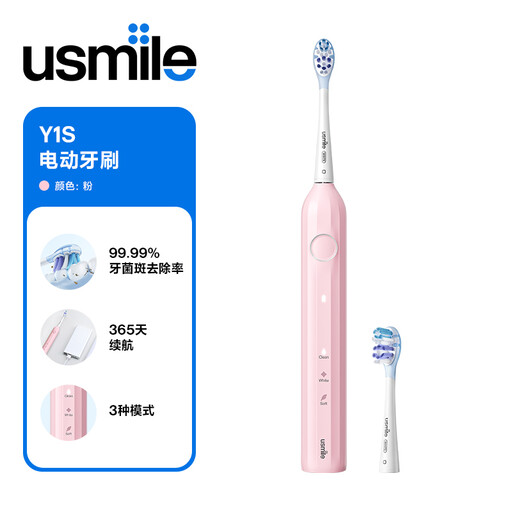
Why this choice suits this profile: Its product listing claims up to six months of use on a single charge. With three modes and a travel case, it’s especially suited to frequent trips.
Its long battery life reduces the risk of running out of power during a trip, while the zone timer stops you from cutting the session short.
Three modes, smart timer, IPX7 handle and travel case included.
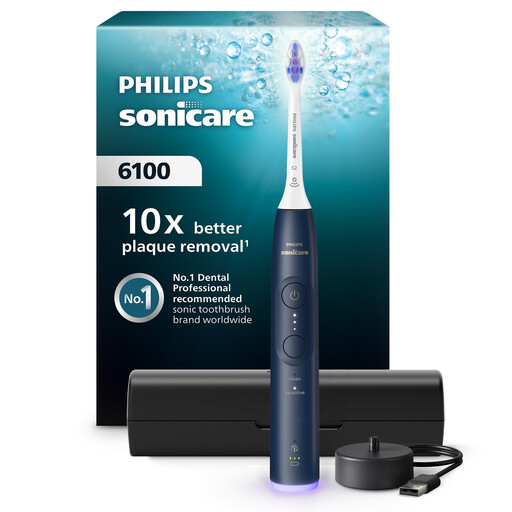
Why this choice suits this profile: Its S2 Sensitive head with soft bristles, gentle mode and three intensity levels let you gradually adapt the brushing sensation.
The reduction in vibrations and the pressure sensor alert limit excessive force, which is often the cause of discomfort.
Two modes, three intensities, up to 21 days of battery life, case and USB-A charger included.
We’ve put together a comprehensive, real-time updated list of products that fully meet these strict selection criteria and European safety regulations.
The cost isn’t just about the handle price. You also need to budget for regular replacement heads and check they remain readily available. Longer battery life can reduce how often you need to charge, but it doesn’t remove the need to replace consumables.
It depends on the model. The Oral-B handles shown here indicate an initial charge of at least 16 hours, while other models use a base or USB cable. Always check the supplied instructions and use the recommended charger.
Yes, as long as you choose a soft head, a moderate intensity and don’t press hard. A model designed for sensitive teeth can improve comfort, but it doesn’t replace the advice of a dentist if you have pain or gum problems.