People adding to a takeaway meal
When the main course changes from one meal to the next, plain rice leaves more room for the sauce or seasoning already on the menu. Check the exact recipe before pairing it with your meal.


If you’re serving rice with a variety of main courses, choose a plain or lightly seasoned option. Flavoured rice is a better fit when its taste complements the rest of the menu. If the pouch is intended to make up a larger part of the meal, check its ingredients and nutritional information. In all cases, check the portion size, allergens and reheating instructions.
When the main course changes from one meal to the next, plain rice leaves more room for the sauce or seasoning already on the menu. Check the exact recipe before pairing it with your meal.
Your choice depends on the appliances available at home. The instructions published by Céréal Bio and Lustucru Sélection for the products mentioned in this article specify different power levels and heating methods.
If you want the rice to be more than a side dish, consider a recipe that combines rice with vegetables and pulses or plant-based protein. Portion size, nutritional information and allergens vary from product to product.
For a takeaway meal, first decide whether the rice is a side dish or will take up more space on the plate. Then check that you can prepare it at home and that the recipe is suitable for the person you’re serving.
Choose it: when the main course and its sauce vary.
Bear in mind: it remains a side dish to pair with the other parts of the meal.
Choose it: when its seasoning complements a particular menu.
Bear in mind: its stronger flavour can make it harder to pair with different dishes.
Choose it: when you want the pouch to contribute more to the meal than a rice side dish would.
Bear in mind: check the portion size, salt content and allergens for the recipe you choose.
| What to consider | What to check | Who is it for? |
|---|---|---|
| Reheating | The power level and time specified for your chosen product, and whether there’s a method that works with the appliances available. | If I need to serve the rice quickly, I want to be able to follow its instructions using the appliances at home; around 37% of consumers prioritise being able to reheat it easily. |
| Its place in the meal | The portion weight and nutritional information per portion, taking the other foods being served into account. | When the pouch makes up a large part of my plate, I look at what the recipe offers beyond rice; around 27% of consumers prioritise its contribution to the meal. |
| Ingredients and allergens | The ingredients list and allergens on the packaging of the product you buy, and the salt per 100 g and per portion where stated. | If I’m serving someone with an allergy, I need to check the exact recipe rather than rely on its name; around 18% of consumers prioritise checking the ingredients and nutritional information. |
| How it goes with the menu | How strongly the rice is seasoned and the flavour of the sauce or main course you’ll serve it with. | If the menu changes often, I prefer to avoid a strong seasoning overpowering the dish; around 18% of consumers prioritise how well the flavours go together. |
These terms don’t tell you the portion size or list all the ingredients. Two recipes can also contain different amounts of salt.
Compare the ingredients list and nutritional values per 100 g, then consider how the portion fits into the meal.
Céréal Bio recommends heating its Teriyaki-style Rice for 1 minute at 700 W, while Lustucru Sélection recommends 2 minutes at 800 W for its Lemon & Herb Express Rice. The timings for one product don’t apply to another.
Check the instructions on the pouch you’ve chosen and make sure the required appliance is available at home.
Céréal Bio’s Teriyaki-style Rice lists gluten, soya and sesame among its ingredients. Plain rice can also carry warnings about possible traces. The dish name alone isn’t enough if someone has an allergy.
Read the label on the product and batch you’ve bought before serving, including any warnings about traces.
The range includes plain express rice and flavoured recipes, so choose the product that best complements your takeaway meal.
The range includes 220 g pouches of plain and seasoned express rice. Choose one that goes well with your meal.
The brand offers pouches combining rice with other ingredients, worth considering when you want the product to play a bigger part in the meal.
These products suit a range of takeaway meals: rice to serve with a main course, a tomato-flavoured recipe, and dishes combining rice with lentils or curry. Choose according to the product’s role in your menu, then check the preparation instructions and label.
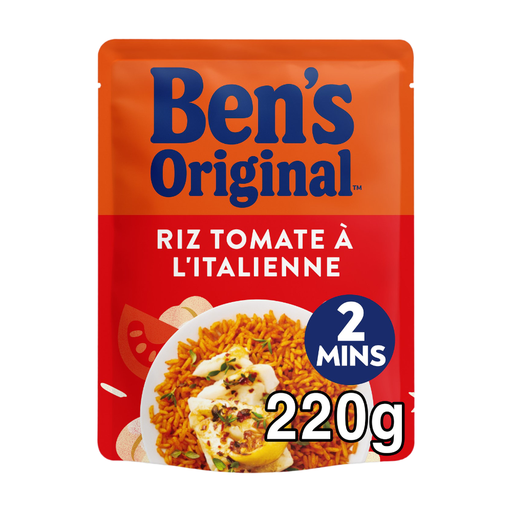 Image unavailable
Choose this tomato recipe to go with a dish whose flavours complement it, rather than as an all-purpose plain rice.
The product name mentions olive oil, while other information on the product listing describes a different recipe. Check the ingredients, particularly the oils and milk, on the packaging of the product you buy. Check the heating instructions before serving too.
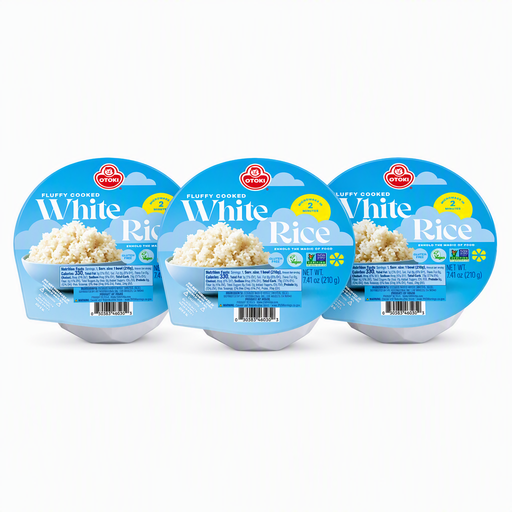 Image unavailable
This cooked rice comes in separate portions and could work as a side dish when you’re serving several meals.
Check the reheating method for each portion and the storage instructions after opening.
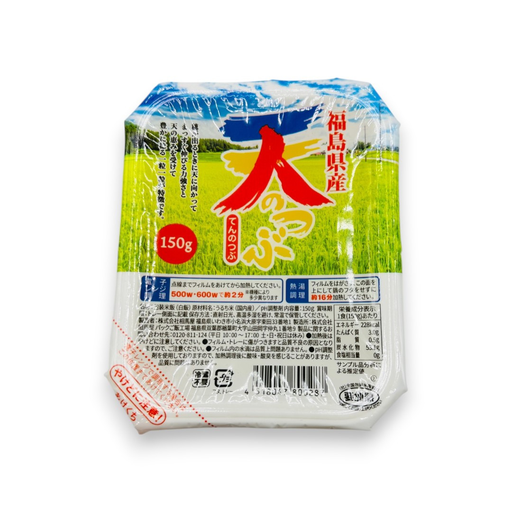 Image unavailable
This packaged rice can be a base for a meal with a separately prepared sauce or main course.
The pack contains 450 g. Before serving, check how many portions you need, how to reheat it and what to do with any rice left after opening.
 Image unavailable
This dish combines rice and lentils, so consider it if you want the pouch to do more than serve as a simple side of plain rice.
Check the portion size and heating instructions on the packaging. If you have an allergy, also check for warnings about ingredients handled at the manufacturing site.
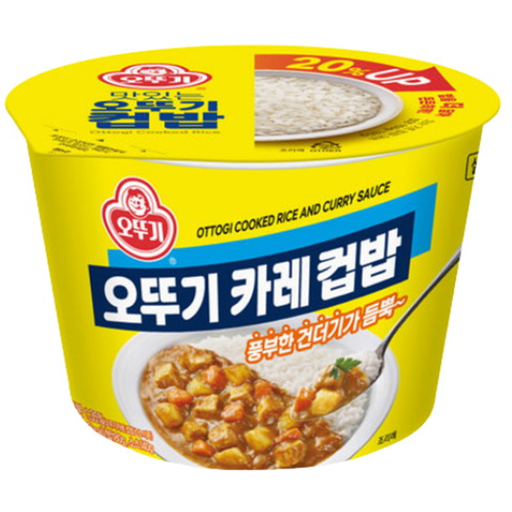 Image unavailable
This 320 g pack combines rice and curry. Choose it for a menu that suits the sauce, rather than as a plain rice side dish.
Check the preparation method and equipment needed on the packaging. Also check the ingredients list and allergens for the product you buy.
No. Follow the instructions for each product. Céréal Bio recommends heating its Teriyaki-style Rice for 1 minute at 700 W, while Lustucru Sélection recommends 2 minutes at 800 W for its Lemon & Herb Express Rice.
Choose a product whose packaging gives a preparation method that works with the equipment you have. Lustucru Sélection recommends preparing its Lemon & Herb Express Rice in a frying pan, while Céréal Bio gives a bain-marie method for its Teriyaki-style Rice. Don’t use these methods for another pouch without checking its instructions.
Plain rice is mainly a side dish, while a recipe combining rice, vegetables and plant-based protein can make up a larger part of the meal. To assess a particular product, check its portion size, nutritional information and allergens, as well as the other foods being served.
Check the label on the product you buy. As the Directorate-General for Competition Policy, Consumer Affairs and Fraud Control points out, allergens in the ingredients list must be highlighted. The authority also states that nutritional information is given per 100 g or 100 ml; check the portion you’ll actually serve as well.