
Livraison le jour même ou le lendemain

Qualité garantie

Débloquez vos offres de bienvenue: Livraison GRATUITE | Jusqu'à -80 % | 30 jours d'essai gratuits à JoyPlus
Téléchargez l'application
Hosting friends for drinks or throwing an impromptu party can often feel like a mad dash. This is where the ready-to-drink aperitif comes in as a lifesaver. But be warned, behind the promise of simplicity can lie real disappointment: overly sweet drinks, chemical-tasting flavours, or poorly designed packaging. However, knowing how to decipher a label and understanding a few key criteria is all it takes to make the right choice—one that will delight both your guests and your palate.
The ready-to-drink aisle is overflowing with tempting options, but not all are created equal. Here are three key things to watch out for to ensure you never make the wrong choice again.
The words "fruity flavour" can hide a much less natural reality. Many drinks use synthetic flavourings that, while potent, sorely lack the complexity and freshness of real fruit. The result is often a flat, chemical-tasting drink, a world away from an authentic and fruity aperitif drink.
Excessive sugar content can make a drink cloying and mask the subtlety of the other ingredients. This added sugar, often in the form of glucose syrup, turns a refreshing summer drink into a heavy, unpalatable beverage. A quick look at the ingredients list and nutritional information will save you from disappointment.
Choosing the right packaging is crucial. A large bottle of sangria is perfect for a big crowd but will likely end up down the drain if there are only two of you. Conversely, stocking up on small bottles for a party drink idea can quickly run up the bill and generate a mountain of waste.
To find the ready-to-drink aperitif that truly meets your expectations, three factors deserve your full attention.
The nature of the drink defines its entire character. The options fall into several main categories:
The Alcohol by Volume (ABV) is a key indicator. A low-alcohol drink (below 5% vol.) is ideal for a long, lingering aperitif session or a sunny afternoon. Stronger drinks (above 8% vol.) are better suited for evening enjoyment, in more measured quantities.
A short, understandable ingredients list is often a sign of quality. Favour products that list "fruit juice" rather than just "flavourings." This indicates a higher-quality approach and a potentially more natural taste.
Here are a few gems that suit different profiles and occasions, taking into account the criteria we've just discussed.
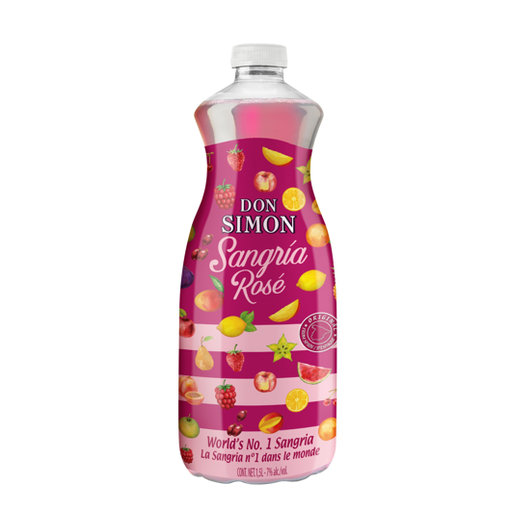
Why we chose it: It's the timeless classic for convivial get-togethers. Its generous 1.5L format is perfect for barbecues and parties where you're not keeping count. Its rosé wine base and fresh fruit flavours make it an easy-drinking crowd-pleaser.
No more logistical headaches for large groups! Its generous format means you don't have to stock up on small bottles, keeping your budget and waste in check.
Ready to serve, just add a few ice cubes and fresh fruit slices for a perfect aperitif with zero effort.
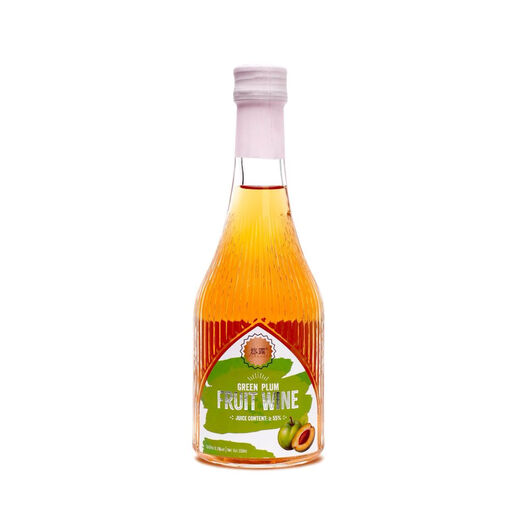
Why we chose it: Looking to break the mould with an original aperitif? This fermented fruit wine made from green plums is a true gem. It offers a unique taste experience, with a subtle balance between the sweetness of honey and the tartness of the fruit.
It's a radical departure from the same old, often artificial, flavours. Its composition, with over 55% plum juice, is a guarantee of authenticity.
An exotic and refined flavour, best served chilled for a memorable tasting experience.
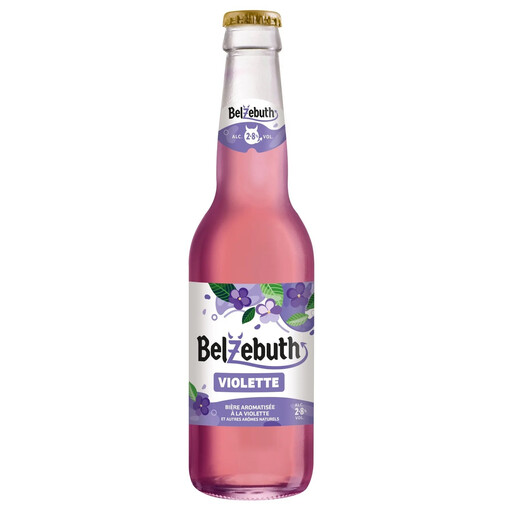
Why we chose it: This white beer is an excellent low-alcohol drink (2.8% vol.). Its floral violet aroma is surprising and very refreshing, making it perfect for moderate daytime drinking.
With its low alcohol content and less sweet profile, it sidesteps the trap of heavy, cloying drinks. It's a light alternative to traditional cocktails.
An original, floral aromatic profile, combined with great freshness and low alcohol content.
We have curated a complete list of products that meet our selection criteria and comply with current regulations.
Most ready-to-drink aperitifs are best enjoyed well-chilled, or even over ice. For cocktails and sangrias, don't hesitate to add ice cubes and a fresh garnish (an orange slice, a few mint leaves) to enhance the flavours. Flavoured beers, on the other hand, are simply served cold in a suitable glass.
It all depends on the drink. Carbonated beverages, like beers or some cocktails, lose their fizz quickly after opening and should be consumed the same day. Wine-based drinks, such as sangria, can be kept for one to two days in the refrigerator, provided they are tightly sealed.
Absolutely. The market offers a growing number of alternatives. Options like the Saint-Omer Grenadine Shandy (0.4% ABV) provide the pleasure of a flavoured drink with virtually zero alcohol content, making it a perfect choice for all occasions and all guests.
Alcohol abuse is dangerous for your health, please drink responsibly. The consumption of alcoholic beverages during pregnancy, even in small amounts, can have serious consequences for the child's health.