
Livraison le jour même ou le lendemain

Qualité garantie

Débloquez vos offres de bienvenue: Livraison GRATUITE | Jusqu'à -80 % | 30 jours d'essai gratuits à JoyPlus
Téléchargez l'application
Reading a novel, an official letter or a screen becomes less comfortable when small print loses its sharpness. However, choosing reading glasses isn't simply about picking the highest magnification or the most stylish frame.
Some offers, in particular, perpetuate three common misconceptions:
The right choice therefore starts with your intended use: occasional reading, screen work, consulting documents at the office, or regular wear at home.
The models in this selection display values such as 150D, 200D, 250D, 300D, 350D or 400D. These ratings help differentiate the magnification levels stated by the manufacturer, but they do not replace a prescription.
To minimise mistakes:
Ready-to-wear magnifying glasses are typically fitted with identical lenses for both eyes. They may be suitable for simple reading, but they do not account for any difference between your right and left eye.
Frameless reading glasses or those with a very discreet frame offer a lightweight look and slip easily into a desk drawer or bag. However, you need to check the sturdiness of the arms and the stability on your nose.
Half-rim reading glasses clear the upper field of vision more effectively. They are practical for quickly switching between a document and someone sitting opposite you.
A full-frame reading glasses design completely surrounds the lens. This construction better protects the edges and generally holds the lenses more securely, especially with repeated use at home or in the office.
Colour and style also matter. Models described as unisex reading glasses focus on understated shapes, but comfort depends mainly on the bridge width, arm length and how well they fit your face.
For reading glasses for screens, start by considering your reading distance. A computer screen is often further away than a book or phone. A pair that is too powerful can therefore compromise comfort, even if the characters appear larger.
People who regularly switch between activities may also prefer reading glasses for office and home, which are easy to leave in several places. Having one pair near your workstation and another in the living room avoids repeated handling and drops.
Smart glasses serve a completely different purpose: displaying information, notifications or connected functions. They should not be confused with corrective reading glasses. Meanwhile, polarised sports sunglasses are designed to reduce outdoor brightness, not for reading small print indoors.
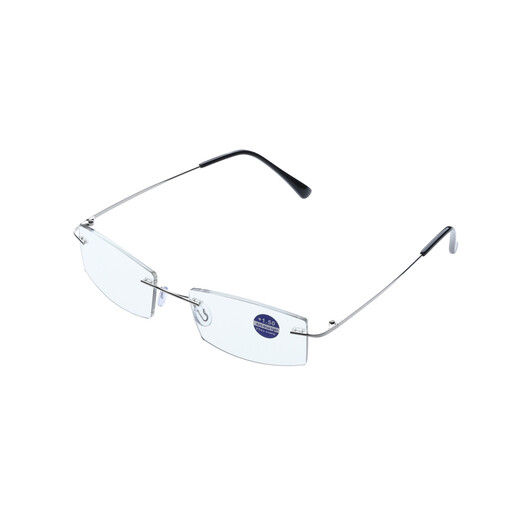
Why this choice suits this profile: Its frameless design and stated 150D level make it an interesting first spare pair for occasionally reading a book, receipt or document.
Its moderate level prevents you from jumping straight to a high magnification without first checking the distance at which you usually read.
Silver frameless frame, described as unisex style and easy-to-store format for both home and office.
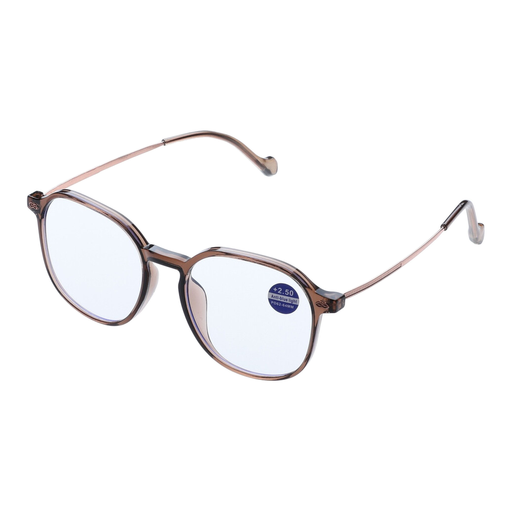
Why this choice suits this profile: Its full frame and stated 300D level are aimed at regular reading of documents, books and screens, both at the office and at home.
The product page clearly states that these are a reading aid, not protective or driving glasses. The intended use is therefore clearly defined.
Full frame, protective case included according to the product page, and recommended cleaning with a microfibre cloth.
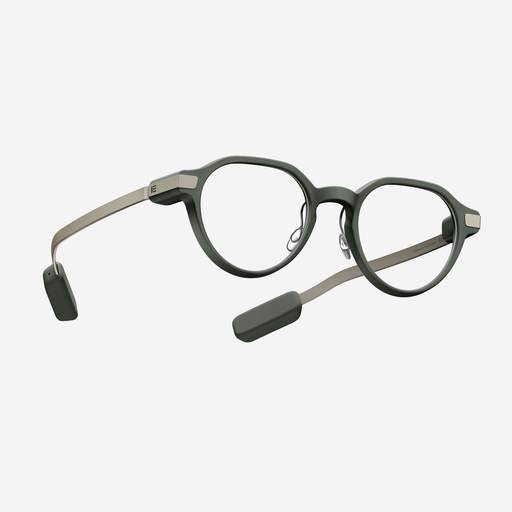
Why this choice suits this profile: This model is aimed at people looking for smart glasses with integrated display, translation, notifications and daily assistance functions.
The product page states there is no camera and specifies that corrective lenses are personalised and sold separately. This is therefore not a simple pair of reading glasses.
Stated weight of 36 g, private Micro-LED display, claimed battery life of up to two days and IP65 rating according to the product page.
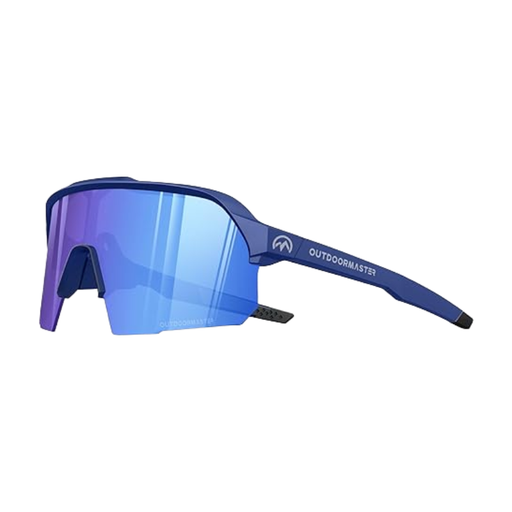
Why this choice suits this profile: This pair is intended for fishing, cycling, golf, sailing or daytime driving, not for indoor reading.
The distinction between sports sunglasses and reading glasses prevents choosing a product unsuitable for indoor use.
Stated TR90 frame, polarised lenses, replacement clear lens and rigid case included according to the product page.
We have put together a comprehensive, real-time updated selection of products that meet these demanding criteria and European safety regulations.
There is no universal value. A moderate level may be suitable for a first spare pair, while a higher magnification can be useful for reading very small print. The distance between your eyes and the book or screen remains decisive. If you experience discomfort, stop wearing them and seek appropriate advice.
Yes, provided the magnification and working distance suit you. As a computer screen is often further away than a book, a pair designed for close-up reading may not offer the expected comfort. Also remember to adjust the brightness, font size and screen position.
It all depends on the build quality, frequency of use and care. Replace them if the lenses are scratched, if the frame no longer fits properly, or if they become uncomfortable. Persistent discomfort should not be masked by an improvised change of magnification.