
Livraison le jour même ou le lendemain

Qualité garantie

Débloquez vos offres de bienvenue: Livraison GRATUITE | Jusqu'à -80 % | 30 jours d'essai gratuits à JoyPlus
Téléchargez l'application
Reading a novel, checking an invoice or looking at a screen quickly becomes less enjoyable when small print lacks sharpness. Reading glasses sold online can often look quite similar, but certain details make all the difference between a pair that is genuinely practical for everyday use and a purchase you soon regret.
Indications such as +1.5, +2, +2.5 or +3 are generally used to show the power of ready-to-wear magnifying glasses. On some product pages, this power is expressed differently, for example as 150D, 200D, 300D or 400D. Before comparing two models, check the convention used by the seller.
These glasses are designed to improve reading at a given distance. They do not replace a prescription and are not necessarily suitable if there is a difference in correction between your two eyes, if you need correction for distance vision, or if you have a particular visual problem.
A rimless reading glass is designed to be discreet and lightweight. A half-frame reading glass, on the other hand, often allows you to look over the lenses without taking the glasses off. As for the full-frame reading glass, it surrounds the lenses more completely and can provide a more reassuring sense of stability.
The right choice depends mainly on your habits. For reading a book placed in front of you, a half-frame can prove very practical. If you regularly switch between a document and a screen, a rimless or full-frame style may suit you better. Also remember to check the bridge width, the length of the temples and the overall stability when you move.
Polarised sunglasses or UV400 sports glasses can reduce glare and filter ultraviolet rays, depending on the features stated. However, they do not automatically provide a correction suitable for reading or driving. To choose a sun model, consider the intended use, the level of filtration and the detailed information on the product page.
For unisex reading glasses intended for the office and home, choose the power based on your usual reading distance and the comfort you achieve. A power that is too weak will leave characters difficult to make out, while excessive power may cause visual discomfort.
The simplest approach is to compare several nearby levels progressively, for example +1.5, +2, +2.5 and +3, without relying solely on your age. If a pair causes headaches, discomfort or persistent eye strain, stop using them and seek advice from an eye care professional.
For reading glasses, check for information about the responsible person established in the European Union, usage warnings and storage conditions. A pair of magnifying glasses should not be used as safety glasses, nor for driving if the product page prohibits it.
For outdoor use, the product page must detail the relevant features. Some models, for example, mention UV400 protection, polarisation, visible light transmission rate or a frame material such as TR90. This information describes the product; it does not constitute medical advice.
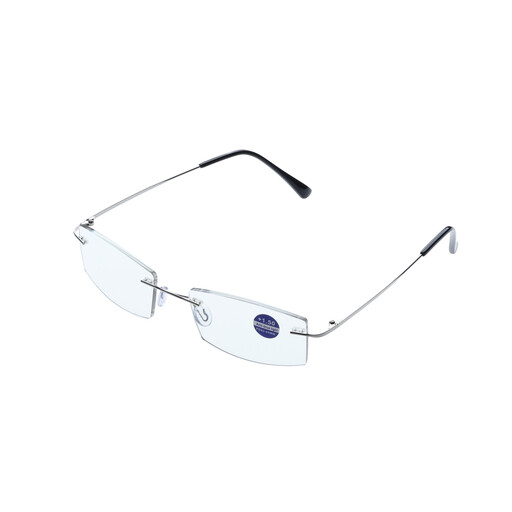
Why this choice suits this profile: This rimless pair focuses on a simple design and a unisex format, stated as suitable for both the office and home. The 200D level provides an intermediate starting point to compare with your reading needs.
The product page clearly distinguishes the rimless design from the stated power. This allows you to compare the model on concrete criteria, without being guided solely by its appearance.
Silver rimless frame, unisex format and stated use for the office and home.
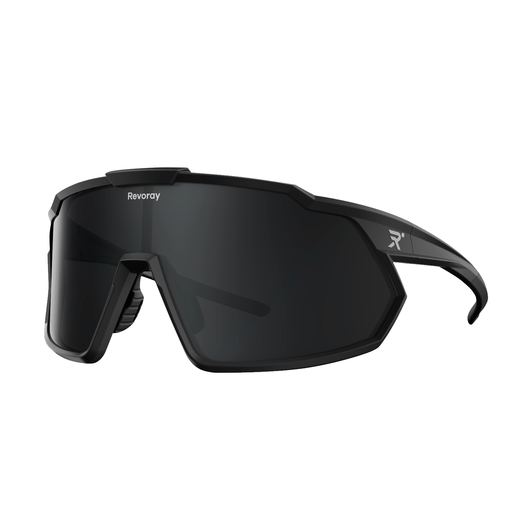
Why this choice suits this profile: For cycling and outdoor activities, this model combines polarised TAC lenses, a TR90 frame and adjustable nose pads. Please note: these are sports sunglasses, not reading glasses.
The product page details the stated weight of approximately 33 g, the light transmission of around 15.2 %, and UV400 protection. It therefore does not rely on a vague promise of comfort.
Polarised TAC lenses, TR90 frame, adjustable non-slip nose pads and a rigid case included, according to the product page.
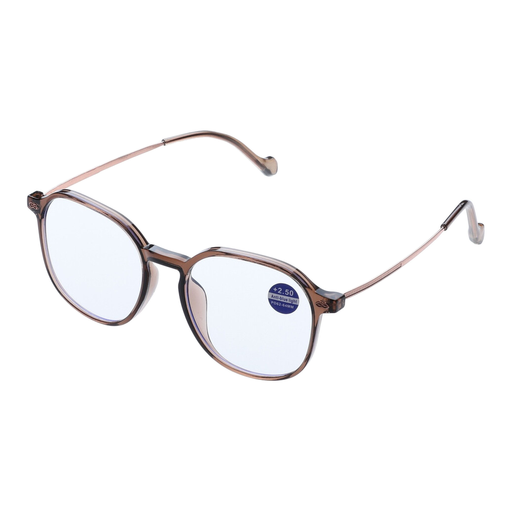
Why this choice suits this profile: This full-frame model is aimed at extended reading of books, documents and screens, both at the office and at home. Its tea-coloured transparent tint lends itself easily to everyday use.
The product page specifies that these are a reading aid, not medical or safety glasses. A useful distinction to avoid misuse.
Full frame, stated power of 300D, protective case and stated compatibility with reading books, documents and screens.
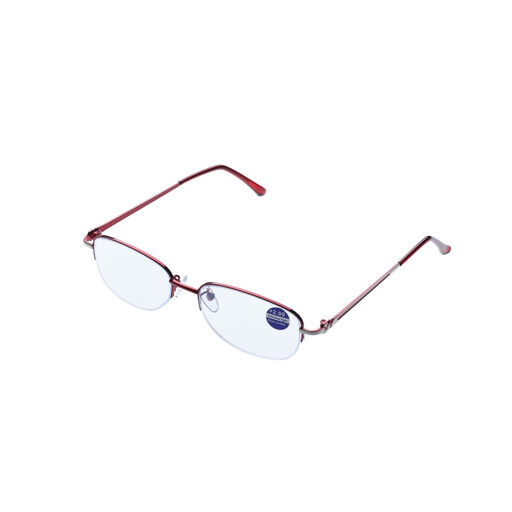
Why this choice suits this profile: This red half-frame is designed for those who want to read, then quickly look around them without constantly taking their glasses off.
The product page clearly identifies the half-frame shape and the 150D level appears in the product name. This helps avoid confusing the frame style with its power.
Half-frame, red colour, stated unisex format and power of 150D.
We have compiled a complete selection, updated in real time, of products that meet these demanding criteria as well as the applicable European safety regulations.
It all depends on your reading distance, the size of the print and your visual comfort. Compare the available levels, such as 150D, 200D, 300D or 400D, and check their equivalent in dioptres on the product page. If discomfort persists, seek the advice of an eye care professional.
The lifespan depends on the frequency of use, the appearance of scratches, the condition of the frame and storage conditions. Clean the lenses with a suitable cloth, avoid household cleaning products and store the pair in a case when not in use. Replace them if the lenses are damaged or if the frame no longer holds properly.
Yes, provided the distance between your eyes and the screen matches the model's usage range and your vision remains comfortable. For extended sessions, adjust the brightness, take regular breaks and never drive with reading glasses that are not intended for that purpose.