
Livraison le jour même ou le lendemain

Qualité garantie

Débloquez vos offres de bienvenue: Livraison GRATUITE | Jusqu'à -80 % | 30 jours d'essai gratuits à JoyPlus
Téléchargez l'application
After a certain age, deciphering the small print in a book, on a restaurant menu, or on your smartphone becomes a challenge. This natural phenomenon is called presbyopia. The simplest solution? A good pair of reading glasses. The problem is, the market is saturated with options, and it's easy to make the wrong choice, turning a simple purchase into a daunting task.
As the Head of Product Curation at Joybuy, my role is to help you see things more clearly. Let's cut through the marketing jargon and get straight to the point: finding a pair of presbyopia glasses that are comfortable, durable, and perfectly suited to your needs—without breaking the bank.
Before you make a decision, it's best to know the common mistakes. Being informed is your best defence and will save you a lot of disappointment.
To make the right choice, three criteria are key: the correction, the frame type, and the materials.
The diopter strength, that number preceded by a "+" (e.g., +1.50), measures the power of your lenses. It is THE number one criterion for your visual comfort.
Style is a matter of taste, but certain frame types offer real practical advantages, whether you're looking for men's reading glasses or women's reading glasses.
The lifespan of your glasses depends directly on the quality of their materials.
Here is a selection of models that tick all the boxes for functionality and durability, designed for different user profiles.
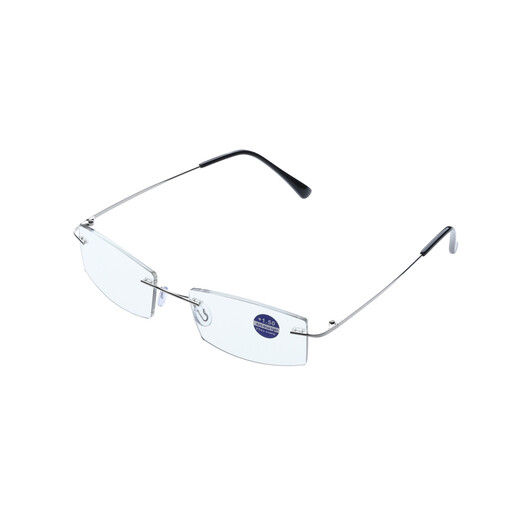
Why this model? Ideal for those experiencing the first signs of presbyopia. The +1.50 (150d) diopter is a light correction, perfect for reading a menu or your text messages. The rimless design combines discretion and lightness.
The minimalist, rimless design limits potential breaking points. The focus here is on functionality and lightness, not on fragile embellishments.
Lightness and discretion: You'll barely notice them on your nose, which is perfect for occasional use.
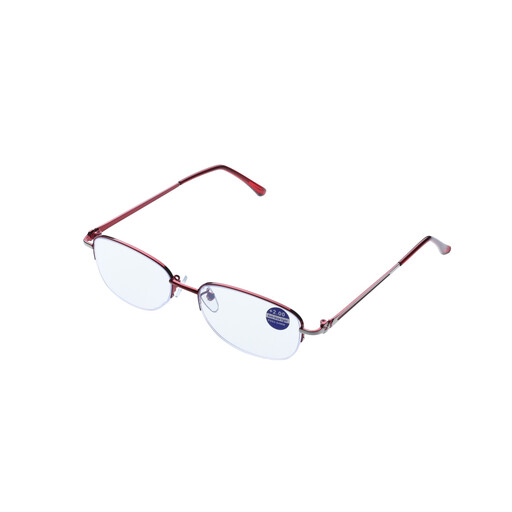
Why this model? Perfect for daily use, both at the office and at home. The +2.00 (200d) correction is common for those over 50. The half-frame allows you to read a document and then look up at your screen or colleagues without ever taking your glasses off.
The metal half-frame structure provides much better sturdiness than low-end plastic frames, especially at the bridge and hinges. A guarantee of durability.
Versatility and practicality: A design built for multitasking, making it an excellent ally at work.
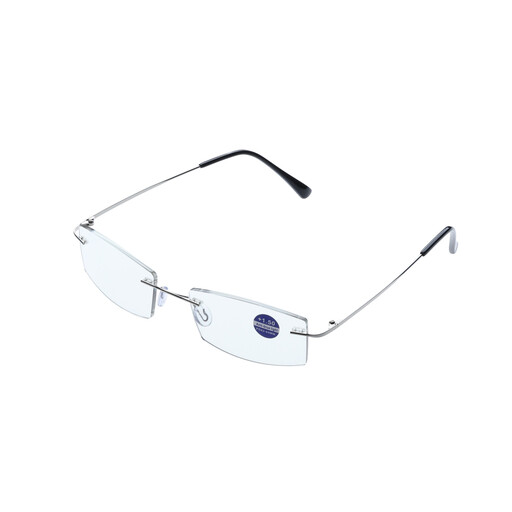
Why this model? For advanced presbyopia (+4.00), the weight of the lenses becomes a real issue. This ultra-light, rimless model perfectly compensates for the thickness of the lenses and ensures optimal comfort, even during prolonged wear.
It overcomes the discomfort often associated with strong corrections. By eliminating the weight of a full frame, it offers a balanced and very comfortable solution.
Strong correction, maximum comfort: The combination of a high diopter and a feather-light design is its key advantage.
Discover our complete selection of products that meet our quality criteria and current safety standards.
The lifespan depends on the quality of the materials and how you use them. A well-made pair, with a metal or high-quality plastic frame and solid hinges, can last for several years with proper care. In contrast, entry-level models often need to be replaced annually, especially if their hinges are a weak point.
Yes, most of the time. The diopter strength depends on the reading distance. The distance for a book (about 35-40 cm) is very similar to that for a smartphone. For a computer screen, the distance is greater (50-60 cm), which can sometimes justify a slightly different correction. However, for moderate use, a single pair of close-up reading glasses will usually do the job.
For spotless lenses, the winning combination is a clean microfibre cloth and, if needed, a suitable cleaning spray. Avoid paper towels, tissues, or the corner of your t-shirt; their abrasive fibres can cause micro-scratches. And when you're not wearing them, the best habit to get into is storing them in their case to protect them from impacts and dust.