
Livraison le jour même ou le lendemain

Qualité garantie

Débloquez vos offres de bienvenue: Livraison GRATUITE | Jusqu'à -80 % | 30 jours d'essai gratuits à JoyPlus
Téléchargez l'application
With age, deciphering small print becomes a daily challenge. Whether for a book, a restaurant menu, or your smartphone screen, a good pair of reading glasses quickly becomes essential. The problem? The market is flooded with look-alike models, and it's easy to fall for the classic pitfalls that will make you regret your purchase.
As the Head of Product Recommendations at Joybuy, my role is to help you see things more clearly. No marketing fluff, let's get straight to the point. I'll explain how to avoid common mistakes and find the pair that's truly right for you.
Before you even start comparing models, let's identify the two missteps that turn a good deal into a hassle.
To ensure you make the right decision, there are three points to check. They determine the effectiveness, comfort, and lifespan of your future glasses.
The power, or diopter (e.g., +1.50, +2.00), is THE non-negotiable criterion. An ill-suited correction is a surefire way to get eye strain and headaches. Without a recent prescription, you can use your age for an initial estimate. But let's be clear: nothing replaces the advice of an eye care professional for an exact measurement. Generally, corrections range from +1.00 to +4.00.
The choice of material has a direct impact on durability and comfort.
More than just a matter of style, the frame's design plays a real functional role.
To move from theory to practice, here are a few models that perfectly illustrate these criteria, adapted to different needs.
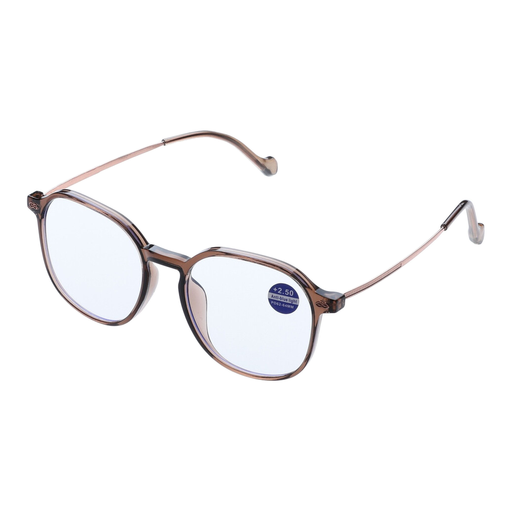
Why it's a good choice: The ultimate simple and reliable solution. Unisex and versatile, it's perfect for the office or home. Its classic style and discreet color go with everything.
Its full-frame design completely protects the lenses. It offers much better sturdiness than entry-level models, preventing breakage at the hinges.
A solid construction designed for daily use, ensuring a perfect fit even during long reading sessions.
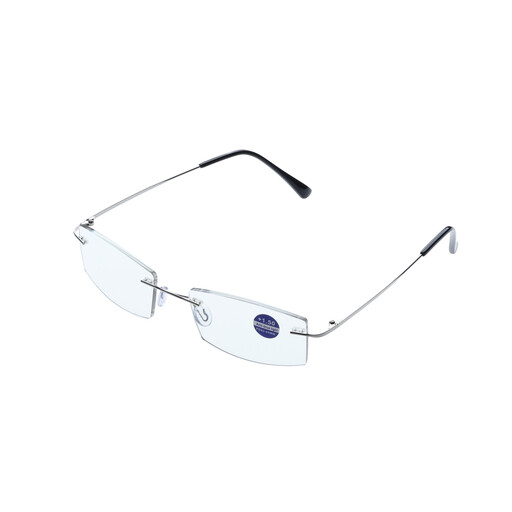
Why it's a good choice: The ideal choice for those who prioritize lightness above all. The clean design of rimless glasses frees up your field of vision, and their featherlight weight means you'll forget you're even wearing them.
By removing the frame, the weight is reduced to a minimum. No more discomfort from glasses that press on your nose after an hour of reading.
Extreme lightness and a minimalist design for absolute comfort and a style that blends in seamlessly.
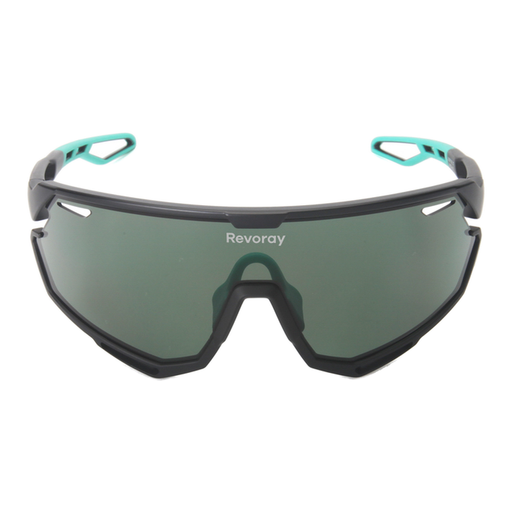
Why it's a good choice: Essential for athletes who need to protect their eyes from sun, wind, and debris. These sports sunglasses are built for performance and safety.
Its TR90 frame is the key. This ultra-light and flexible material handles impacts and twists without flinching, where a classic frame would snap. Goodbye, fragility!
Full UV400 protection, an ultra-impact-resistant single-piece lens, and an aerodynamic design that guarantees a perfect fit during intense activity.
Discover our full selection of eyewear, all chosen for their adherence to our quality criteria and safety standards.
1. How do I choose the right power for non-prescription reading glasses? The simplest trick: hold a magazine or your phone at your usual reading distance (about 35-40 cm or 14-16 inches). Try a low correction (e.g., +1.00) and gradually increase until you achieve perfect clarity. If in doubt between two powers, always choose the lower one to avoid overstraining your eyes. However, only an appointment with an ophthalmologist can guarantee a perfectly adapted correction.
2. What's the difference between reading glasses and presbyopia glasses? None! The terms "reading glasses," "reading magnifiers," or "presbyopia glasses" all refer to the exact same thing: glasses equipped with magnifying lenses to correct presbyopia, the natural phenomenon that makes near vision more difficult with age.
3. Are TR90 frames really more durable? Absolutely. TR90 is a game-changer when it comes to durability. It has "shape memory": you can twist the frame, and it will return to its original position without deforming. This flexibility makes it virtually unbreakable in case of a fall or accidental twist, unlike classic rigid plastics. Its featherlight weight is the icing on the cake for optimal comfort.