
Livraison le jour même ou le lendemain

Qualité garantie

Débloquez vos offres de bienvenue: Livraison GRATUITE | Jusqu'à -80 % | 30 jours d'essai gratuits à JoyPlus
Téléchargez l'application
The screech of tyres, the smell of hot rubber, and the satisfaction of a perfectly controlled slide... The world of radio-controlled drifting is captivating. Whether you're a teen looking for a new hobby or a dedicated scale model enthusiast, choosing your first RC drift car can quickly become a headache. It's easy to get lost between the different scales, drivetrains, and technical jargon.
This guide is here to help. Our mission: to break down the essentials for you, without the unnecessary jargon, so you can make an informed choice. We'll review the key criteria before unveiling our selection of the best models to get you started.
To get started in RC drifting under the best conditions, three technical features stand out. Focus on these key points.
The scale defines the size of your ride. A 1/24 scale model (24 times smaller than the real thing) is the ideal size for practising at home. It's compact enough to drift on hardwood floors, tiles, or in the garage, offering a perfect balance between manoeuvrability and realism.
The drivetrain is just as crucial. For drifting, an all-wheel drive (4WD) system isn't an option—it's a necessity. By distributing power to all four wheels, it ensures optimal slide control and a level of stability that's forgiving of early mistakes. This makes the learning process much easier and more rewarding.
An RC car with a gyro features a sensor that anticipates and corrects uncontrolled slides from the rear. In practice, it counter-steers for you to maintain the perfect drift angle. It's a true guardian angel for the novice driver.
Essential for a beginner, it prevents a great deal of frustration. For experienced drivers, an adjustable gyro allows you to fine-tune the level of assistance to attempt more daring manoeuvres. It's a feature that grows with your skill level.
A good RC drift car must include two sets of tyres:
This versatility is a major asset: it transforms your drift machine into a racing beast in minutes. It's perfect for switching things up and sharpening your reflexes in two different disciplines.
Keeping these criteria in mind, here are three 1/24 scale models that are perfect for getting into RC drift modelling.
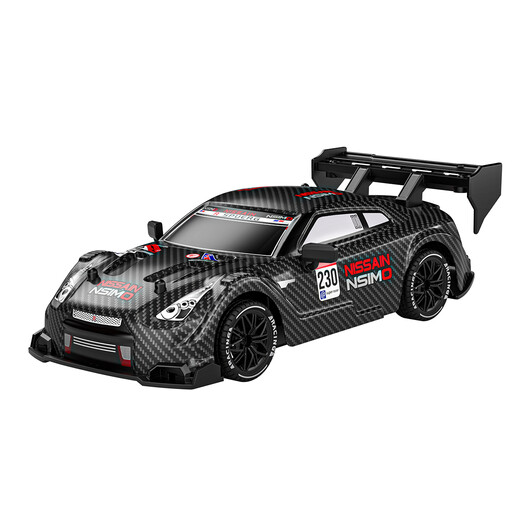
Why It Stands Out With its iconic look inspired by the legendary GTR, this model has everything you need to get started. It's the perfect balance of style, performance, and an affordable price.
Key Features
Who Is It For? Ideal for young drivers (ages 8 and up) and beginners who want a stylish car that's ready to drift right out of the box. An excellent gift for a teen who loves cool cars.
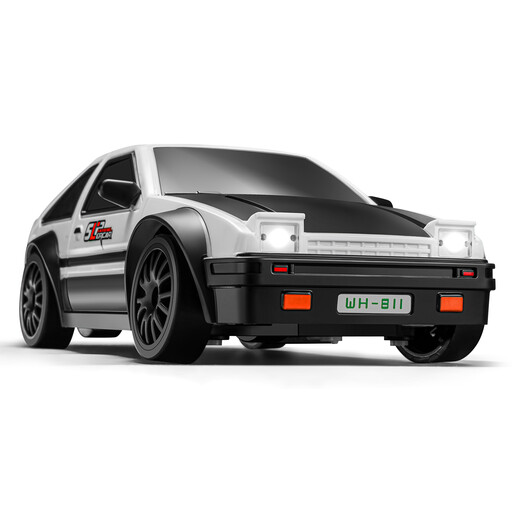
Why It Stands Out Here, the inclusion of a gyro stabiliser is a game-changer. It makes learning to drift far more intuitive by actively correcting your trajectory, forgiving minor driving errors.
Key Features
Who Is It For? For teens and adults who want to get serious about drifting. The gyroscope is a fantastic learning accelerator for mastering the art of the slide.
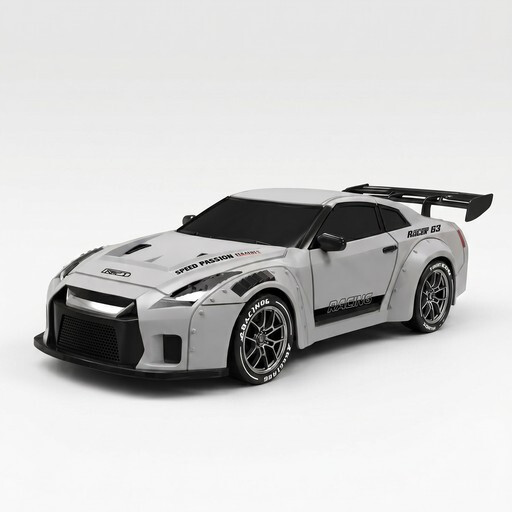
Why It Stands Out This model steps up the game, aimed at those who demand more control and adjustability. Its adjustable gyroscope and professional steering servo allow you to tune the car's handling to match your style and progress.
Key Features
Who Is It For? For enthusiasts and intermediate-level drivers looking for a high-performance, upgradeable machine. The perfect choice for those who see drift modelling as a true passion.
If you prefer construction equipment, trucks, or other types of radio-controlled vehicles, our catalogue is packed with alternatives for all scale model enthusiasts.
Discover our range of heavy equipment remote control toys
1. What's the difference between a standard RC car and a drift model? It's all about the slide! An RC drift car is fitted with very hard plastic tyres to help it glide, whereas a standard model uses rubber tyres for maximum grip. Add a 4WD drivetrain and specific chassis adjustments, and you get a machine designed for controlled sliding.
2. Is a gyroscope really essential for beginners? Essential? No. But very, very highly recommended! The gyro acts as a driving assistant that stabilises the car mid-drift. This makes learning much simpler and more fun. It's an aid you can reduce or disable once you've mastered the basics.
3. Can you use a 1/24 scale drift car outdoors? Yes, but under certain conditions. The 1/24 scale is designed for perfectly smooth surfaces (hardwood, polished concrete, linoleum). Outdoors, stick to a clean patio, car park, or basketball court. Absolutely avoid gravel, grass, or coarse asphalt, which could damage the chassis and kill any drifting performance.