Students comparing fat content
If you’re looking to round off a packed lunch, you may want to tell plain dried fruit apart from a mix containing nuts. The ‘fat’ figure per 100 g gives you a common basis for comparing products.


If fat content is your top priority when choosing a snack to pop in your uni bag, start by comparing plain dried fruit with mixes containing nuts. The product listings for E.Leclerc and Auchan raisins state that they contain 0.7 and 1.4 g of fat per 100 g respectively, compared with 27 g per 100 g for the Carrefour raisin and nut mix we checked. Also check the sugars, ingredients and allergens: lower fat content doesn’t answer these other questions.
If you’re looking to round off a packed lunch, you may want to tell plain dried fruit apart from a mix containing nuts. The ‘fat’ figure per 100 g gives you a common basis for comparing products.
If you need to avoid an ingredient or allergen, the name of the fruit alone isn’t enough. Check the ingredients and any ‘may contain’ warnings on the pack you choose. For example, the Auchan raisins listing mentions that they may contain traces of peanuts and nuts.
If you prefer walnuts, almonds or hazelnuts, look for an unsalted option that suits your needs. Manger Bouger recommends unsalted, unsweetened nuts with no chocolate; that doesn’t mean a nut mix is low in fat.
For a packed lunch at uni, start with your main priority, then compare products on the same 100 g basis. ‘Dried fruit’ can mean dried fruit, nuts or a mix of the two.
| What to consider | What to check | Who is this for? |
|---|---|---|
| Fat | The amount per 100 g and whether the ingredients include nuts. | If I’m mainly looking for a lower-fat option, I want to distinguish plain raisins from a mix containing nuts. Around 36% of consumers prioritise comparing fat content. |
| Ingredients and allergens | The ingredients list, highlighted allergens and any ‘may contain’ warnings. | If I need to avoid certain ingredients, I can’t rely on the name of the fruit on the packet alone. For around 29% of consumers, checking ingredients and allergens comes first. |
| Pack size for taking with you | The net weight and storage instructions after opening. | If I need snacks for several lunch breaks between lectures, I’m looking for a packet I can portion out and store according to the instructions on the pack. This is the main priority for around 21% of consumers. |
| Choice of nuts | The salt, seasonings and fat per 100 g. | If I want to take walnuts or almonds with me, I prefer to choose an unsalted version, even if reducing fat is no longer my top priority. This is the main consideration for around 14% of consumers. |
These categories don’t have the same nutritional profile. The E.Leclerc and Auchan raisins listings show 0.7 and 1.4 g of fat per 100 g respectively. A Carrefour mix containing hazelnuts, almonds and cashews, among other ingredients, lists 27 g per 100 g.
First check whether you’re looking at plain dried fruit, nuts or a mix, then compare the ‘fat’ figure on the exact pack.
A lower-fat dried fruit can still contain a lot of sugar: the Monoprix Bio, Auchan and ECO+ raisins listings we checked show between 60 and 67 g of sugars per 100 g.
Check the ‘sugars’ figure too, along with the amount you plan to take with you. These figures alone don’t give you an overall picture of the product.
The Auchan raisins listing mentions that they may contain traces of peanuts and nuts. A Carrefour mix contains several types of nuts and also carries other possible allergen warnings.
If you need to avoid an allergen, read the ingredients and any trace warnings on the packet you’re planning to buy.
Offers shown by Lidl may depend on the supermarket you select. E.Leclerc also recommends checking local availability for its ECO+ raisins.
Before planning to take this snack with you for your next few lunches, check the product and its availability with the relevant store.
These retailers offer examples of different types of products. The figures below relate to the products mentioned, not their entire ranges.
The retailer offers, among other things, mixes of dried fruit and nuts.
The retailer’s ECO+ listing is for a 500 g pack of raisins.
The retailer’s range includes separate categories for raisins, nuts and mixes.
The retailer offers dried fruit and nuts, including products under the Alesto range.
The retailer offers a 250 g pack of raisins.
The retailer offers a 250 g pack of Monoprix Bio raisins.
These dates, prunes and raisin products are options if you’re looking for dried fruit to take with you, rather than a nut mix. Their pack sizes may help you choose a snack for one or several lunches. Before buying, compare the nutrition information and ingredients for each product.
 Image unavailable
The 500 g pack could last for several lunches if you plan to take one portion at a time. Compare its ingredients and per-100 g values with those of the other dried fruit you’re considering.
 Image unavailable
Compare this 280 g pack with the 500 g pack of dates, depending on how many lunches you’re planning for. For fat content, check the label for this specific variety.
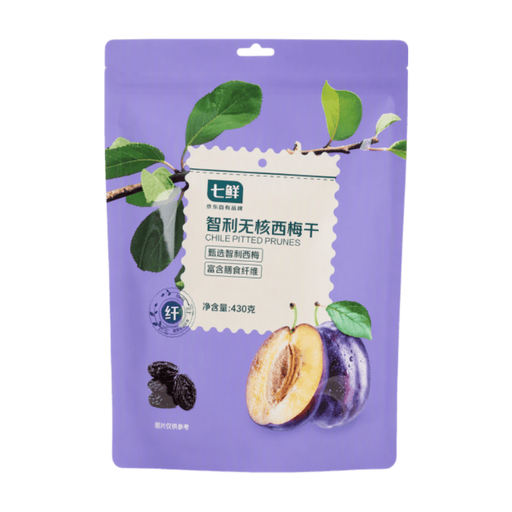 Image unavailable
The 430 g pack could be a good choice if you’re buying several portions, provided you follow the storage instructions after opening. Check the nutrition information if you’re comparing it with raisins or dates.
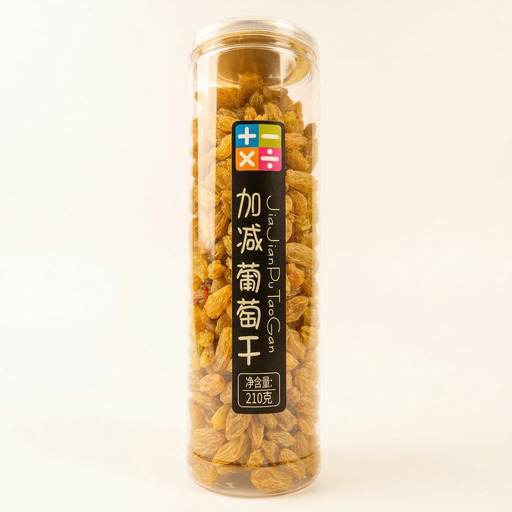 Image unavailable
This 210 g pack of raisins could provide several portions to take with you. Check the ingredients, as well as the fat and sugars per 100 g, before comparing it with a nut mix.
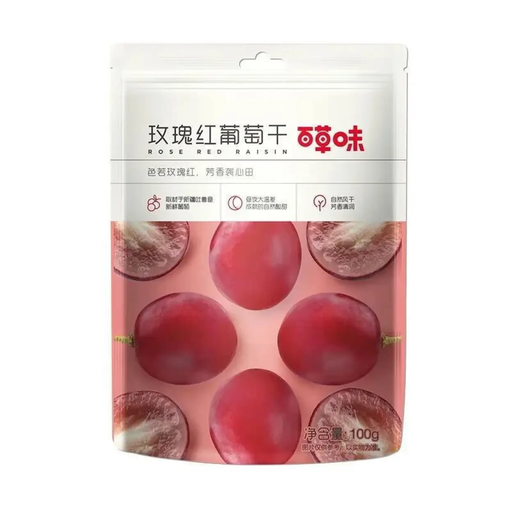 Image unavailable
The 100 g pack is a different size from the 210 g and 430 g products featured here. Choose how much to take with you separately from your comparison of ingredients and nutrition information.
No. This claim doesn’t tell you about the fat naturally present in nuts. Check the amount per 100 g: the Joybuy listing for the roasted cashews we checked shows 43 g of fat per 100 g, while the E.Leclerc and Auchan raisins listings show 0.7 and 1.4 g per 100 g respectively.
Start with the ingredients, allergens and nutrition information per 100 g, particularly fat and sugars. The DGCCRF states that allergenic ingredients must be highlighted in the ingredients list on prepacked foods. Also check for any trace warnings on the pack in question.
Don’t assume so from the name alone: compare the figures for the products you’re considering. The Carrefour mix of raisins and several types of nuts we checked contains 27 g of fat per 100 g, compared with 0.7 g per 100 g for E.Leclerc’s ECO+ raisins. If you choose raisins, check the sugars too.
Follow the storage instructions on the pack and take out the amount you want to bring with you. After opening, the Auchan raisins listing says to reseal the pack tightly; instructions can vary from one product to another.
Manger Bouger recommends a small handful of unsalted, unsweetened nuts with no chocolate each day. If the fat content of your snack is still your main priority, this recommendation doesn’t replace comparing the amount per 100 g in the nuts and dried fruit you’re considering.