If you’re keeping an eye on fat
You’re looking for dried fruit to enjoy as a snack or use in a recipe, and want to compare its fat content per 100 g rather than relying on the broad label ‘dried fruit’.


If keeping fat intake down is your priority, start by comparing plain dried fruit, particularly raisins: Carrefour France and Auchan France list 0.8 g and 1.4 g of fat per 100 g respectively. Nuts and mixes may suit different preferences, but their nutritional values can vary considerably. Be sure to check the sugars, ingredients and allergens for the specific product, too.
You’re looking for dried fruit to enjoy as a snack or use in a recipe, and want to compare its fat content per 100 g rather than relying on the broad label ‘dried fruit’.
You’d like to include almonds or walnuts in your choice, without confusing them with low-fat dried fruit. Manger Bouger recommends a small handful of unsalted, unsweetened nuts without chocolate.
You need to check for nuts or sulphites. The ingredients in a mix and those in raisins can vary by product, so always check the label on the specific pack.
First decide whether you want plain dried fruit, nuts or a mix, then compare the nutritional information and ingredients on each pack.
Worth considering: if fat content is your main priority. Check the value per 100 g for the product you choose.
Keep in mind: a low fat value doesn’t tell you about the sugar content. Auchan raisins list 67 g of sugars per 100 g.
Worth considering: if you’d prefer almonds or walnuts to dried fruit. Check the exact product and its ingredients.
Keep in mind: nuts aren’t the same as low-fat raisins: Carrefour France lists 55 g of fat per 100 g for its organic ground almonds.
Worth considering: if you’d like raisins and nuts together in one pack.
Keep in mind: the proportions matter. A mix of raisins and nuts listed by Auchan contains 34 g of fat per 100 g.
| What to consider | What to check | Who is it for? |
|---|---|---|
| Fat | Compare the ‘fat’ value per 100 g, and distinguish plain dried fruit from mixes. | I’m looking for dried fruit whose fat content I can check. Around 33% of consumers rank this as their top priority. |
| Nuts | Check the product type or ingredients, and look for salt, added sugar or chocolate. | I want to buy almonds or walnuts, even though that’s different from looking for low-fat dried fruit. This is the top priority for around 27% of consumers. |
| Ingredients and allergens | Read the ingredients list and allergen information on the specific pack, particularly for mixes and some raisins. | Before comparing nutritional values, I need to know whether the recipe contains an ingredient I avoid. This is the main concern for around 27% of consumers. |
| Pack size | Check the pack weight and storage instructions on the packaging. | I want an amount that suits how I plan to use it, rather than automatically choosing a large pack. Around 13% of consumers prioritise pack size. |
This label can refer to dried fruit, nuts or mixes. Values published for specific products by Carrefour France and Auchan France differ considerably between these categories.
Identify the product type, then compare the ‘fat’ value per 100 g on the packs you’re interested in.
Raisins can be low in fat while still containing a significant amount of sugar. Auchan raisins list 67 g of sugars per 100 g.
Also check the ‘of which sugars’ line and the ingredients list. Auchan’s golden raisins, for example, list sunflower oil and sulphites.
Carrefour Bio’s raisin and nut mix includes walnuts, cashews, hazelnuts and almonds. So the word ‘raisins’ alone doesn’t tell you everything about the recipe.
If there’s an ingredient you need to avoid, check the ingredients and allergen information for the specific product before choosing it.
A retailer where you can compare dried fruit, nuts and mixes, making sure to distinguish between the categories.
Products that let you compare plain raisins, golden raisins, and a mix of raisins and nuts.
The Alesto range includes dried fruit, nuts and products for snacking.
Aldi’s Trader Joe's range includes raisins and unsalted shelled almonds.
Its dried fruit range includes organic raisins, dates, prunes and dried mango.
These raisin and red date products let you explore plain dried fruit for a snack or recipe. If fat, sugar or particular ingredients are important to your choice, compare the label for each variant.
 Image unavailable
Worth considering if you’re looking for pitted red dates in a 500 g pack. To check whether they meet your needs, compare the fat and sugar values per 100 g on the packaging for this variant.
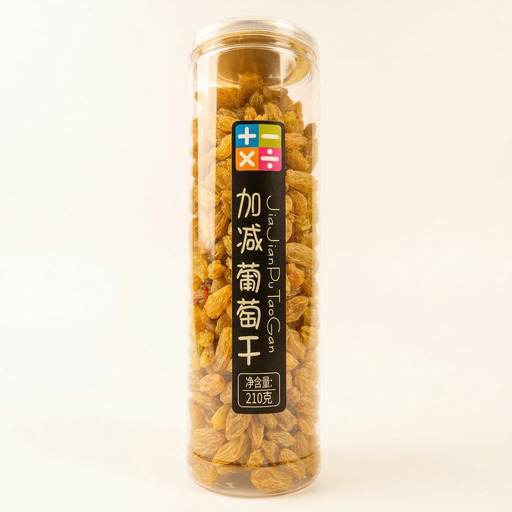 Image unavailable
A 210 g pack to consider if you’d prefer raisins to a nut mix. Check the values per 100 g and the ingredients list on the pack before relying on any particular nutritional claim.
 Image unavailable
This variant of pitted red dates comes in a 280 g pack. If you’re comparing it with the other Haoxiangni size, check the ingredients and nutritional values of each separately: the brand name alone doesn’t mean they’re the same.
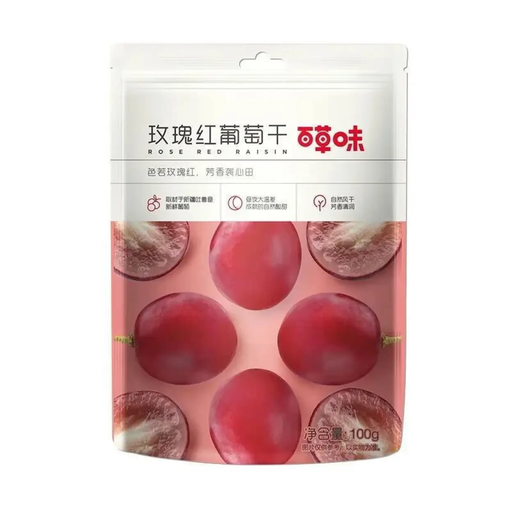 Image unavailable
The 100 g pack may suit you if you’re looking for this size of raisins. Compare the fat and sugar values per 100 g with other products you’re considering, rather than guessing from the colour or product name.
No. ‘Dried fruit’ can refer to dried fruit, nuts or mixes. Carrefour France lists 0.8 g of fat per 100 g for its organic sultana raisins, compared with 55 g per 100 g for its organic ground almonds. Always check the value for the exact product.
No. The DGCCRF notes that permitted nutrition claims are listed in the annex to European Regulation (EC) No 1924/2006. Check the claim made for the specific product and its nutritional information per 100 g, rather than assuming that all dried fruit is ‘reduced fat’.
Read the ingredients and allergen information on each pack. The Carrefour Bio mix mentioned here contains several types of nuts, while the product information for Auchan golden raisins lists sulphites. Don’t assume either of these ingredient lists applies to another product.