Which criteria should you compare?
For lunch at work, start with your main priority, then compare the nutritional values per 100 g with the ingredients and the amount you plan to take with you.
| Criteria |
What to check |
Who is it for? |
| Fat |
Compare the grams per 100 g, and distinguish plain dried fruit from a mix containing nuts. |
I want something to go with my lunch, but don’t want to choose a mix when fat content is my deciding factor. Around 50% of consumers would prioritise this need. |
| Added salt |
Read the salt information and ingredients list, and check the fat content separately. |
For my break at work, I prefer plain nuts or options with no added salt, even if I’m not choosing them for their low fat content. This would be the priority for around 30% of consumers. |
| Sugars, ingredients and allergens |
Check the sugars per 100 g, the ingredients, and any allergen or ‘may contain’ warnings on the exact pack. |
Before taking a pack to work, I need to know what’s in it and spot any information relevant to my dietary requirements. Around 20% of consumers would put these checks first. |
Products available on Joybuy
These fruity options — a strawberry snack, pitted red dates and dried pineapple — could be worth considering to go with lunch at work. Compare their nutritional information and ingredients according to your priorities.
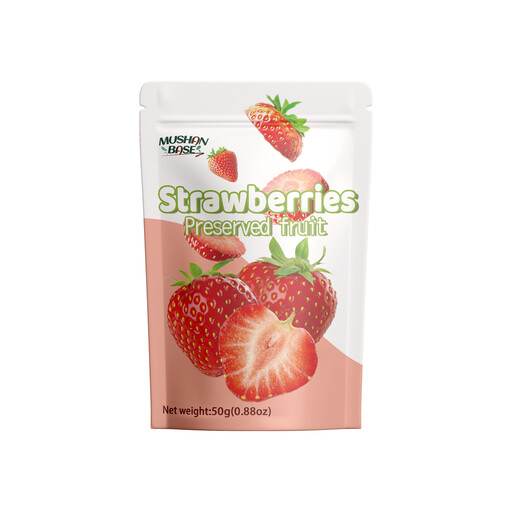 Image unavailable
MUSHAN BASE Bai Cao Wei strawberry snack 50 g
This 50 g pack could go well with a packed lunch at work. If you’re looking to limit fat, compare the value per 100 g and check the sugars and ingredients too.
View on Joybuy
 Image unavailable
Haoxiangni Grade 2 Fresh-Locked Original Flavour pitted red dates 280 g
These 280 g pitted red dates are a fruity option to consider for lunches at work. Check the fat and sugars per 100 g, along with the storage instructions for after opening.
View on Joybuy
 Image unavailable
Haoxiangni Grade 2 pitted red dates 500 g
This 500 g pack could be a good option if you’re planning to take it to work for several lunches. Compare the nutritional values per 100 g and check the ingredients and allergen information on the packaging.
View on Joybuy
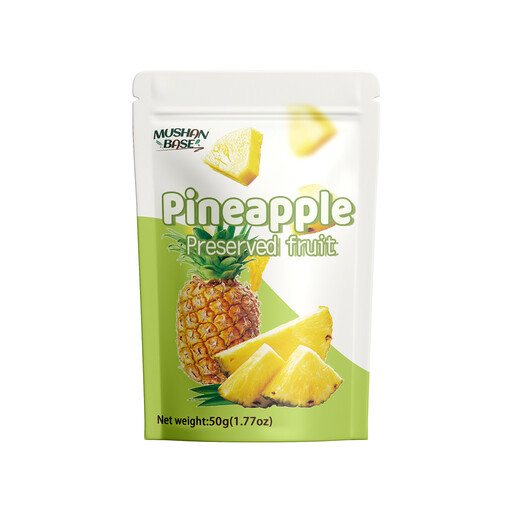 Image unavailable
MUSHAN BASE dried pineapple 50 g
This 50 g pack is an option to consider for a break at work. Before choosing it to suit your needs, check the fat, sugars and salt content, along with any allergen information on the packaging.
View on Joybuy
Frequently asked questions
Are nuts suitable if I want to limit fat?
If your main priority is total fat content, compare nuts with plain dried fruit rather than assuming they meet the same need. The Carrefour mix containing nuts mentioned here has 27 g of fat per 100 g; the Carrefour raisins mentioned contain 0.5 g per 100 g.
Can I choose raisins by looking at the fat content alone?
No: check the sugars too, and consider how much you’ll take with you. The organic raisins mentioned by Monoprix contain 0.8 g of fat and 60 g of sugars per 100 g; Manger Bouger reminds us that dried fruit is naturally high in sugars.
How can I check the allergens in a pack I’m taking to work?
Read the ingredients list and any ‘may contain’ warnings on the exact product you’re going to eat. For pre-packed foods sold in France, the DGCCRF says that allergenic ingredients must be highlighted in the ingredients list; the Carrefour mix mentioned here warns that it may contain traces of peanuts, nuts and sulphites.
Is a ‘no added salt’ mix also lower in fat?
The ‘no added salt’ label doesn’t tell you anything about the fat content. The Juste Bio mix mentioned by Auchan carries this label and contains 27 g of fat per 100 g, so check both separately on the product you choose.
What should I do with the pack after opening it at work?
Follow the storage instructions for the product you’ve bought. For the golden raisins mentioned here, Auchan advises resealing the pack tightly after opening. Also check the date and instructions on your own packaging.


