If rice is part of your raclette spread, a 1 kg bag of dry rice is a good starting point. Adjust the amount to suit the number of guests who’ll actually eat it: Taureau Ailé recommends 50 g of uncooked basmati per person, which works out at around 20 theoretical portions per kilogram. A larger pack makes sense mainly if rice will play a big part in the meal or you’ll use the leftovers. Portions in cooking bags are convenient, but check their total weight if you’re feeding a large group.
Who is this guide for?
Hosts planning a meal for a large group
You want to have enough rice without buying an unnecessarily large bag. Taureau Ailé’s guide of 50 g of uncooked basmati per person works out at around 20 theoretical portions from 1 kg. Plan less if only a few guests will have rice alongside the other accompaniments.
Hosts who want an easy serving option
You’re already managing the raclette and its accompaniments, so you’d like to keep measuring and preparing the rice to a minimum. Compare cooking bags and quick-cook options with bags of dry rice, checking the total weight and cooking instructions for each product.
Guests who care about the type of grain
You’re looking for a long, fragrant grain to serve on the side. Taureau Ailé describes its Basmati du Penjab as slender and elongated, with a firm, light texture. This is the brand’s description, not an assessment of how well it goes with raclette.
What should you look for?
First decide how much of a role rice will play in the meal and how many people will eat it. Then choose the pack size, followed by the preparation method and type of grain.
| Criteria |
What to check |
Who it’s for |
| Quantity and leftovers |
Count the guests who’ll eat rice and compare the net weights of 1 kg, 1.2 kg and 2 kg. For basmati, Taureau Ailé recommends 50 g uncooked per person; adjust this to suit the menu. |
If rice is just one of several accompaniments, I want to have enough without being left with a large surplus. Around 44% of consumers prioritise getting the quantity right. |
| Preparation and serving |
Check the total weight of the cooking bags, the stated cooking time and the product-specific instructions. You may need several small packs to serve a group. |
While I’m looking after the raclette, I’d prefer to portion out the rice quickly. This convenience comes first for around 33% of consumers. |
| Type of grain |
Check whether it’s long-grain rice, basmati or another variety, and read the cooking instructions on the pack. Taureau Ailé describes its basmati as a fragrant, long-grain rice. |
Above all, I want a rice variety and fragrance that suit my tastes, even if other pack sizes are available. Around 23% of consumers put their choice of grain first. |
Mistakes to avoid
-
Assuming a “family-size” pack means 2 kg
According to Taureau Ailé’s guide of 50 g of uncooked basmati per person, a 1 kg bag already provides around 20 theoretical portions. If rice is just a small part of your raclette meal, a larger bag could leave you with a lot left over.
Estimate how many people will eat rice, then choose a pack size based on whether you can use the leftovers in other meals.
You’ll also need suitable storage space for an opened large bag.
-
Confusing quick-cook portions with a large bag
Carrefour, for example, stocks a 220 g pack of Ben's Original rice and basmati cooking bags totalling 4 × 125 g. Both options weigh less than a 1 kg bag.
If easy serving matters more than buying a large pack, add up the weight of the portions you’ll need before choosing cooking bags.
-
Assuming reheating makes poorly stored leftovers safe
The Anses says rice can contain Bacillus cereus and that some of its toxins remain active after reheating. Reheating a dish therefore won’t necessarily make up for poor storage.
Prepare a realistic amount and follow the relevant food-safety guidance for storing leftover rice.
-
Assuming a product in the catalogue will be available everywhere
Lidl notes that not every store carries all the items in its catalogue. A product you’ve spotted for your evening may not be available at the store you plan to visit.
Check the exact pack size and its availability at your local store or through its online grocery service before planning your menu around it.
Brands and retailers to know
These products give you a range of rice types and pack sizes to compare. A brand’s inclusion here doesn’t guarantee it will be available at your local store.
Carrefour
The retailer stocks, among other options, a 2 kg bag of Carrefour Classic' long-grain rice and a 1 kg bag of Carrefour Extra basmati.
- Two useful pack sizes to compare, depending on the size of your group and what you plan to do with any leftovers.
- Check which product is available at the store or through the online grocery service you plan to use.
Taureau Ailé
Auchan’s rice range includes Taureau Ailé Basmati du Penjab in 1 kg and 1.2 kg packs.
- The 1.2 kg pack offers a handy middle ground between 1 kg and 2 kg.
- Taureau Ailé describes the fragrance and texture of its Basmati du Penjab; be sure to check the cooking instructions for the product you choose, too.
Auchan
The retailer’s basmati range includes 1 kg and 1.2 kg bags, as well as cooking-bag options.
- The choice of pack sizes lets you decide between rice you measure out yourself and pre-portioned cooking bags.
- Check which products are available at your local store before choosing a pack size for your group.
Lidl / Golden Sun
Lidl offers Golden Sun basmati rice in a 1 kg bag, suitable for serving with a family meal.
- The 1 kg pack is easy to compare with other bags of the same size.
- Lidl notes that not every store carries all the items in its catalogue.
Ben's Original
Among the quick-cook options stocked by Carrefour is a 220 g pack of Ben's Original basmati, with a stated cooking time of 2 minutes.
- This pack is worth considering if portioning and speed matter more to you than pack size.
- At 220 g, it’s much smaller than a 1 kg family-size bag.
Bagged rice on Joybuy
These bags of dry rice suit different needs when you’re planning a raclette meal. Choose according to how much you’ll serve and what you’ll do with any leftovers. A large bag isn’t essential for a single evening.
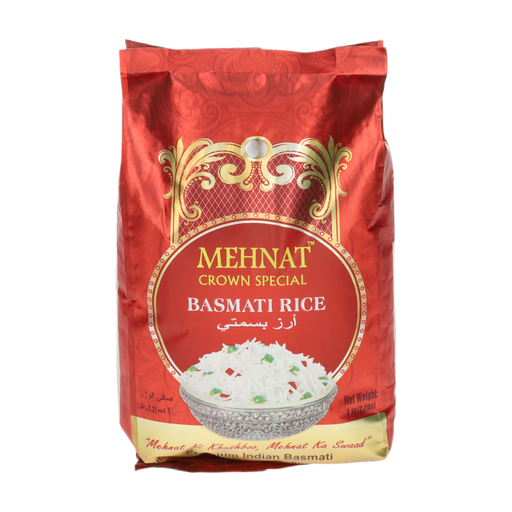 Image unavailable
MEHNAT Basmati Rice 1 kg
Consider this bag if you’re planning to serve rice to your group but don’t want to commit to a large sack. The product name indicates that it’s a 1 kg pack of basmati rice. Check the cooking instructions on the packaging to plan your meal.
View on Joybuy
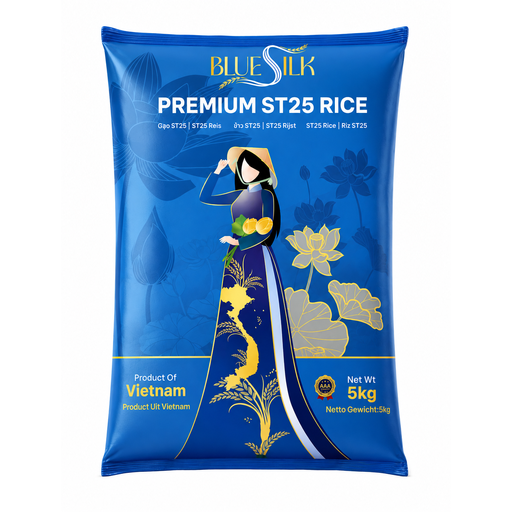 Image unavailable
Blue Silk ST25 Jasmine Rice 5 kg
This 5 kg bag is best suited to serving plenty of rice or using the leftovers in other meals. It’s jasmine rice, not basmati, so check that the variety and quantity suit your menu and storage space.
View on Joybuy
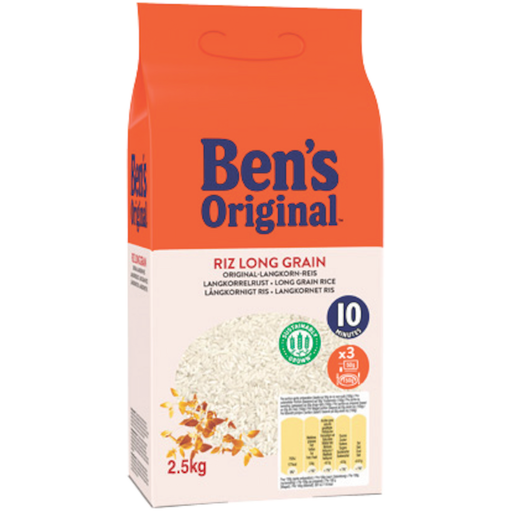 Image unavailable
Ben's Original Long-Grain Rice 2.5 kg
Consider this bag if 1 kg won’t be enough or you’ll use the leftover rice after your meal. At 2.5 kg, you’ll need to plan where to store the opened bag. Check the cooking instructions before serving.
View on Joybuy
Frequently asked questions
How much dry rice should I allow for a raclette evening?
Taureau Ailé recommends 50 g of uncooked basmati per person, which works out at around 20 theoretical portions from 1 kg. Adjust the amount to suit the number of guests who’ll eat rice, and take the potatoes and other accompaniments into account.
Basmati or standard long-grain rice: which should I serve with raclette?
Choose according to the type of grain and flavour you prefer, then pick a suitable pack size. Basmati is an option if you’d like fragrant rice, while standard long-grain rice is also available in larger bags. Taureau Ailé’s description of the fragrance and texture of its Basmati du Penjab reflects the brand’s own claims, not a comparative taste test.
How should I store an opened bag of dry rice?
Keep dry rice in a dry place and reseal the packaging carefully after use, following the guidance Taureau Ailé gives for its basmati. This is particularly important if you’re buying a large bag to use over several meals.
Can reheating make poorly stored leftover rice safe to eat?
No. Reheating doesn’t guarantee that it’s safe to eat: the Anses says the cereulide toxin associated with Bacillus cereus can remain active after cooking or reheating. So don’t rely on reheating to make up for poor storage of leftovers.


