For eating with melted cheese, choose fresh bread. If you’d like something dry and crunchy on the table, crispbread could be a good choice. For toppings, consider how well a crunchy toast or cracker will hold them. The word ‘premium’ alone tells you nothing about its texture, ingredients or suitability for your guests.
Who are these options for?
Hosts choosing bread to suit how it will be served
If the bread is there to accompany melted cheese, its role in the meal matters more than whether it’s labelled ‘premium’. La Box Fromage suggests using bread to scoop up the cheese left in the pan, while crispbread is better suited to adding a crunchy element.
Fans of wholegrain, organic or seeded recipes
The products featured by Auchan and E.Leclerc give you a choice of different flours and seeds. First decide which recipe you’d like to serve, then check the ingredients on the pack.
Anyone responsible for checking labels
For a meal shared with others, check the ingredients and allergen information for every product you serve. The nutritional information also lets you compare sugars, salt and fibre per 100 g.
What should you check before buying?
First decide whether the bread will be eaten with the melted cheese, served for its crunch or used as a base for toppings. Then compare recipes and labels.
| Criteria |
What to check |
Who is it for? |
| Texture and firmness |
Choose between fresh bread, crispbread and crunchy toast according to how you plan to serve it. If you’re adding toppings, check that it will hold them. |
If I want bread to accompany melted cheese or hold a topping, the format matters more than the range it belongs to. Around 40% of consumers would prioritise how well it holds up when served. |
| Grain-based recipe |
Read the list of flours, grains and seeds. Check for an organic label if that’s important to you. |
If I want to offer a range of accompaniments, I might prefer a wholegrain, organic or seeded recipe to plain crispbread. Around 30% of consumers would prioritise the recipe. |
| Allergens |
Check the highlighted ingredients and any ‘may contain’ statements on the pack you buy. |
If guests need to avoid certain ingredients, I need to know exactly what I’m serving, including in seeded recipes. Around 20% of consumers would put checking label compatibility first. |
| Nutritional information |
Compare sugars, salt and fibre on the same basis: per 100 g. |
Once I’ve found recipes that suit the meal and my guests, I can compare their nutritional values to choose between them. Around 10% of consumers would make this their top priority. |
Mistakes to avoid
-
Assuming ‘premium’ is automatically right for raclette
The term says nothing about how well it will hold toppings or what the recipe contains.
Choose the type of bread to suit how you’ll serve it, then read the ingredients and nutritional information on the pack.
-
Serving a seeded recipe without checking its allergens
Products featured by Auchan and Carrefour may contain wheat, gluten or sesame, while other allergens may be listed as traces.
Keep the packaging where guests can see it and check the label of every recipe you serve.
-
Confusing ‘no added sugars’ with ‘sugar-free’
Auchan’s product listing for a Pasquier product carrying this claim states that it contains naturally occurring sugars.
Check the ‘of which sugars’ line per 100 g, as well as the ingredients list.
-
Letting crispbread go soft before the meal
Moisture can spoil the crunch you want when serving it.
Follow the storage instructions on the pack, keep it sealed and check the date shown.
Brands to know
Heudebert
Plain crispbreads, plus recipes with wheat germ or the Fibres+ label.
- Auchan’s listing for the organic wheat germ product describes a recipe made with ingredients including wheat flour and sunflower oil.
- For Fibres+, Carrefour’s listing notes that it contains wheat and may contain soya, milk or sesame.
Pasquier
Cereal and seeded crispbreads, as well as a product labelled ‘no added sugars’.
- Auchan’s listing for the six-grain and seed recipe mentions linseed and sesame, among other ingredients.
- The product labelled ‘no added sugars’ contains naturally occurring sugars, so check its ‘of which sugars’ value.
Auchan Bio
A wholemeal flour crispbread product, sold in a 300 g pack according to Auchan’s listing.
- Its ingredients list includes wheat-based ingredients, including wholemeal flour and bran.
- The listing warns that it may contain traces of several allergens, including soya, sesame, milk, egg and nuts.
Carrefour Original / Carrefour Classic'
Carrefour’s range includes several types of crispbread and rusks, including plain and wholemeal recipes.
- This variety makes it easier to look for a format that suits how you plan to serve it.
- A range name alone tells you nothing about the ingredients or how well a particular product will hold up.
Epi d’Or
E.Leclerc’s listing features, among other products, this brand’s six-grain crispbreads.
- For this product, E.Leclerc states that it contains 6.8 g of fibre and 1.4 g of salt per 100 g.
- Its recipe includes wheat, rye and sesame, among other ingredients. Check the label if these are a concern for your guests.
Crunchy accompaniments on Joybuy
These products give you the choice of traditional crispbread, Swedish wholemeal biscuits or table crackers to add crunch to your raclette. If you mainly want bread to go with the melted cheese, choose fresh bread separately.
 Image unavailable
Heudebert Biscot Nat, 300 g
Plain crispbread to consider if you’d like to serve something dry and crunchy. If you’re serving it with melted cheese or a topping, check that the texture suits the purpose. Also check the ingredients on the pack for your guests.
View on Joybuy
 Image unavailable
KRISPROLLS Swedish Wholemeal Biscuits No Added Sugar, 425 g
Swedish wholemeal biscuits to consider if you’d prefer a crunchy accompaniment to plain crispbread. Check that they’ll hold the toppings you have in mind, and look at the grains and allergens listed on the packaging.
View on Joybuy
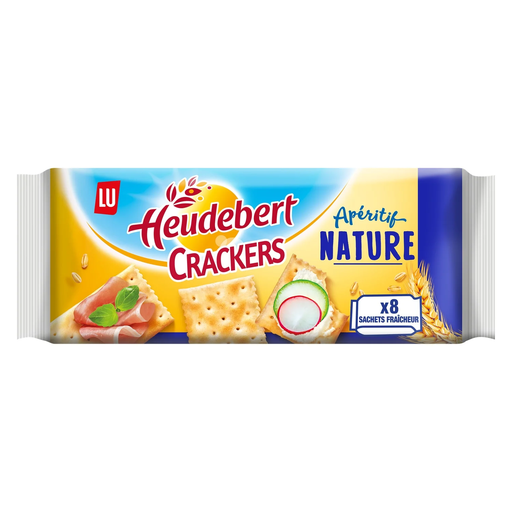 Image unavailable
HEUDEBERT Original table crackers, 250 g
Table crackers to consider for serving with toppings, rather than as traditional crispbread. Check that they’ll hold what you plan to serve, and read the allergen information on the pack.
View on Joybuy
Frequently asked questions
Can crispbread replace fresh bread with raclette?
Crispbread can add extra crunch, but it won’t necessarily serve the same purpose. If you want bread to eat with the melted cheese or to scoop it out of the pan, choose fresh bread. Save crispbread for when its crumbly texture suits the way you’re serving it.
How should I compare two packs of crispbread?
First compare the ingredients and allergens, then the sugars, salt and fibre per 100 g. The DGCCRF states that the nutrition declaration for prepacked food is given on this basis, so you can compare the two tables like for like.
Is seeded crispbread suitable for all guests?
Don’t assume so: recipes featured by Auchan and Carrefour may contain wheat or sesame and may mention other allergens. Check the label on the pack you plan to serve.
Does ‘no added sugars’ mean there are no sugars?
No. Auchan’s listing for a Pasquier product carrying this claim states that it contains naturally occurring sugars. To compare it with another recipe, check the ‘of which sugars’ line per 100 g.
How can I keep crispbread crunchy until mealtime?
Follow the storage instructions on the packaging and keep the pack away from moisture. Also check the date shown before serving.


