
Livraison le jour même ou le lendemain

Qualité garantie

Débloquez vos offres de bienvenue: Livraison GRATUITE | Jusqu'à -80 % | 30 jours d'essai gratuits à JoyPlus
Téléchargez l'application
By Joybuy, our product expertPublished August 26, 2026
Choosing race day running shoes can be a real challenge. Overwhelmed by a flood of technologies and marketing promises, ambitious runners are looking for one thing: the efficiency to shatter their personal bests, whether it's a 10K or a marathon. However, a choice guided by trends rather than needs often leads to disappointment, or even injury. This guide breaks down the key points to help you make an informed decision, far from the siren call of marketing.
Before you even look at specific models, let's review the classic mistakes that are costly, both in money and in seconds on the clock.
To choose the right pair of race day shoes, the secret is to look beyond the design. Here are three technical criteria you can't compromise on.
This is the shoe's true engine. Modern foams (often based on TPE, PEBA, or TPU, like BOOM technology) must balance lightness, cushioning, and energy return. The presence of a plate is an undeniable advantage for racing:
The drop is the height difference between the heel and the forefoot. Far from being a minor detail, this choice has a direct impact on your stride.
The upper part of the shoe, the upper, serves a dual purpose: ensuring breathability and guaranteeing support. A technical, well-ventilated mesh is essential for wicking away heat and moisture. But it must also perfectly lock down the foot without compressing it, especially around the midfoot, to prevent chafing and ensure optimal power transfer with every step.
Rather than a random laundry list, we've matched runner profiles with targeted models that check all the boxes for the performance and design criteria we've just covered.
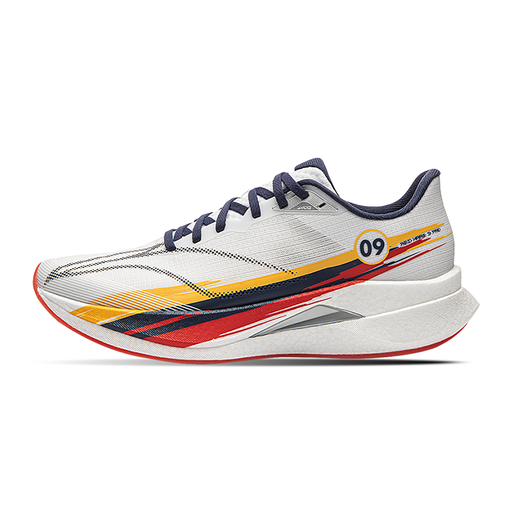
The Profile: The runner looking for a do-it-all shoe, equally at home during interval sessions and on race day (10K, half-marathon). They want a perfect balance of dynamism and stability to confidently log miles.
This model doesn't sacrifice stability at the altar of lightness. Its widened base and midfoot TPU plate limit the risk of overpronation without weighing it down. The dual-layer BOOM foam ensures an ideal compromise between responsiveness and cushioning.
Training/race versatility; reassuring stability that delays fatigue; ultra-breathable BOOM FIBER upper.
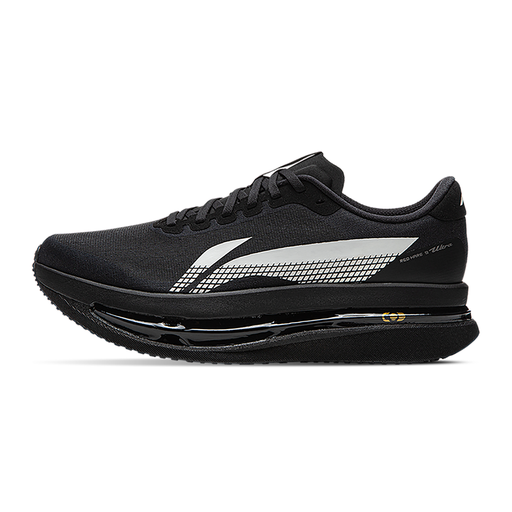
The Profile: Built for the runner chasing a personal best over long distances. Their sole priority is pure performance, with explosive energy return and support that doesn't falter when fatigue sets in.
It avoids the pitfall of an overly demanding carbon plate by using a bio-inspired fibreglass plate that supports the arch and stabilises the foot strike. Its triple-density midsole architecture intelligently combines energy return and support.
Maximum propulsion thanks to the triple-density midsole; arch support designed for long distances; GCU outsole that grips on both wet and dry surfaces.
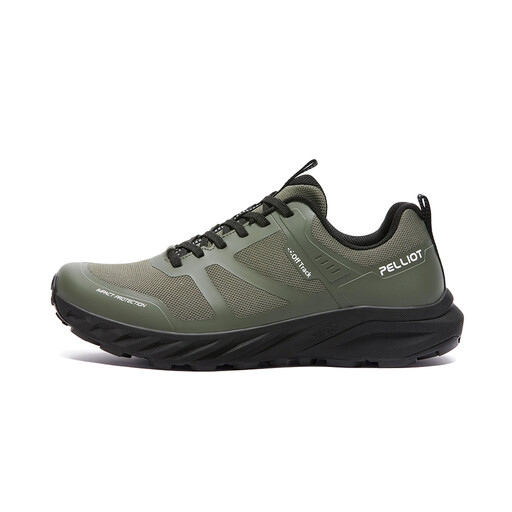
The Profile: The regular runner for whom comfort and joint protection take priority over the stopwatch on long runs. Above all, they want a reliable and highly cushioned shoe.
This model doesn't give in to the 'responsiveness-at-all-costs' trend. The focus is on cushioning, with a high-density EVA foam midsole designed for optimal shock absorption.
Maximum cushioning to protect joints; highly breathable mesh upper for lasting comfort; versatile on roads and packed trails.
Explore our full collection of models that meet our demanding selection criteria.
A pair's lifespan is generally estimated to be between 500 and 800 kilometres. Be aware that racing models, with their high-performance foams, tend to lose their dynamism more quickly. Rely on the wear of the outsole and the fading "bounce" sensation to know when it's time to replace them.
Not necessarily. These are performance tools, designed to optimise running economy at high speeds. They mainly benefit runners who already have good technique and a certain pace. For recovery runs or if your stride isn't yet stable, a more traditional and flexible model will be much more comfortable and safer.
The choice of drop depends primarily on your stride. If you are a heel-striker, a high drop (above 8 mm) will feel more natural. If you tend to land on your midfoot or forefoot, a lower drop (below 7 mm) is generally recommended. Warning: any drastic change in drop should be made very gradually to give your body time to adapt and thus avoid injury.