
Livraison le jour même ou le lendemain

Qualité garantie

Débloquez vos offres de bienvenue: Livraison GRATUITE | Jusqu'à -80 % | 30 jours d'essai gratuits à JoyPlus
Téléchargez l'application
The rabbit toy is a timeless classic, a toy box staple. Whether as a first comforter, a developmental companion, or simply a decorative piece, it has delighted generations. Yet, faced with overcrowded shelves, it's easy to make the wrong choice and turn a promising purchase into a disappointment. A cute design isn't everything: it doesn't guarantee durability, safety, or a child's long-term interest.
Before you decide, watch out for these three common pitfalls:
This guide is here to help you see clearly and make the right choice by breaking down the essential criteria for a confident and successful purchase.
To choose a rabbit toy that is both safe and suitable, it's better to focus on a few key technical points rather than on flashy marketing promises.
This is the non-negotiable criterion. In Europe, all toys must comply with the EN 71 standard, which sets rules on several points?:
For a plush rabbit comforter, opt for ultra-soft materials like high-quality polyester and embroidered details (eyes, nose) rather than glued-on plastic parts. For a developmental toy for ages 1-3, ABS plastic is a safe bet for its robustness, provided the product is properly certified.
Every rabbit has its purpose. Define your needs first.
A comforter gets chewed on, dragged on the floor—in short, it gets a lot of love! It must therefore be able to be washed often. Always check the care label. A machine-washable plush rabbit is a real plus for parents. For electronic toys, only surface cleaning with a damp cloth is possible, making them less suitable as nighttime companions for toddlers.
To illustrate these criteria in practice, here are a few products that meet specific needs and avoid the usual pitfalls.
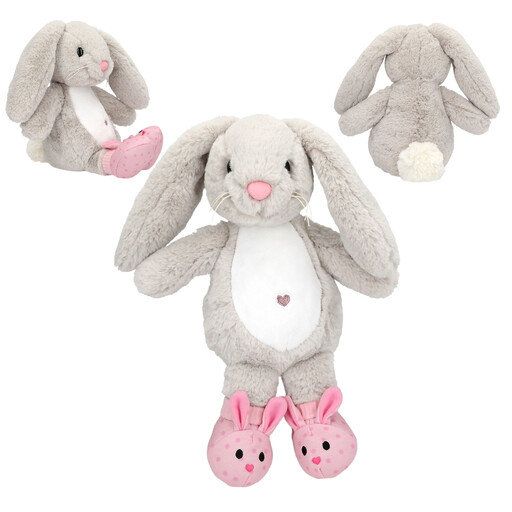
The right choice for: Toddlers looking for a soft and comforting friend. Its ultra-plush texture and endearing design make it a perfect companion for quiet time and bedtime (under supervision for children under 3).
Unlike low-end plush toys that turn coarse in the wash, this one is made from quality polyester to stay soft. Its simple design focuses entirely on comfort, without any unnecessary gimmicks.
Ultra-soft texture and neat details (glittery nose, embroidered heart). Note: The "button-style" plastic eyes require adult supervision for children under 3 years old.
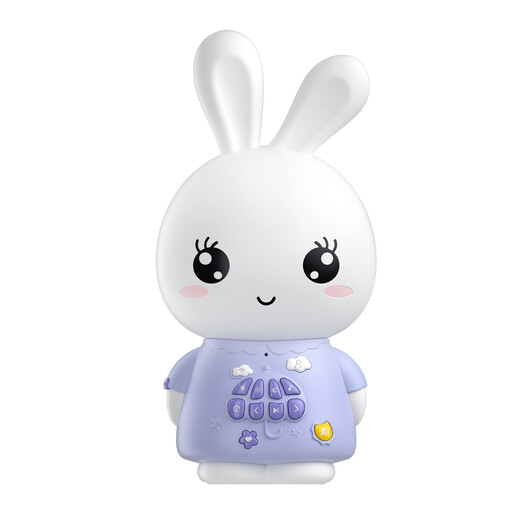
The right choice for: Parents looking for a toy that grows with their child, blending play and learning. This connected rabbit answers questions, tells stories, and plays music, stimulating curiosity and language skills in children aged 3 and up.
More than just a gimmick, it integrates rich content and conversational AI (powered by ChatGPT) for lasting interactivity that adapts to the child. It avoids the fatigue of overly repetitive musical toys.
Conversational AI in 91 languages, varied content (stories, music, nursery rhymes), and a recording function for a personal touch.
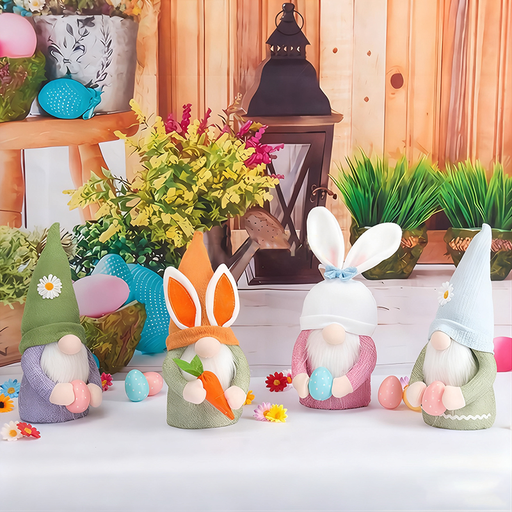
The right choice for: An original baby shower gift or a standout Easter decoration. This gnome-bunny adds a touch of whimsy to a shelf or holiday table.
This is clearly a decorative object, not a toy to be handled. Its weighted base ensures good stability, while its posable arms and ears allow for different poses, avoiding the stiff, fragile feel of some decorations.
Unique and charming design, a weighted base for excellent stability, and posable elements (ears, arms) to style it however you wish.
Discover our full selection of products, rigorously chosen for their quality, originality, and compliance with European safety standards.
Always refer to the label. If the plush toy is machine washable, use a delicate, low-temperature cycle, ideally inside a laundry bag to protect it. Air-dry it. For electronic or non-washable toys, a damp cloth with a drop of mild soap is enough to clean the surface. Rinse with another damp cloth and let it dry.
It all depends on its complexity. Musical rattles or comforters with a simple music box are suitable from birth (0+), as long as they meet safety standards (no small parts). More interactive toys with buttons and lights are generally recommended for ages 1 to 3. They require finer motor skills and an understanding of the cause-and-effect relationship.
The CE mark is a manufacturer's self-declaration: it certifies that its product complies with European Union requirements. It is mandatory for selling a toy in Europe. The EN 71 standard, on the other hand, is the technical standard that details the specific safety tests the toy must pass (durability, flammability, chemistry...). A toy with a CE mark is therefore presumed to comply with the EN 71 standard.