Which features should you compare?
First rule out machines that won’t fit the space or suit your usual loads. Then compare the spin noise of the remaining models, while keeping installation requirements and other usage information in mind.
| Feature |
What to check |
Who it matters to |
| Spin noise |
Compare the spin noise in dB and the noise class from A to D on the label, between models with a similar capacity and spin speed. Gifam notes that these details relate to the spin cycle. |
When there’s a bedroom next to the washing machine, I want the spin cycle to disturb the other people in the household as little as possible. Around 36% of consumers put a quiet spin cycle first. |
| Installation stability |
Check that the space allows you to level the machine as instructed and ensure it rests properly on all four feet. |
If the floor carries vibrations into neighbouring rooms, I want to be able to install the machine so it stays in place during the spin cycle. Stability is the top priority for around 29% of consumers. |
| Space and capacity |
Measure the width and depth, and allow enough clearance for the door to open. Then choose a capacity in kg that suits your usual loads. |
With a narrow space or several loads to combine, I need a machine that fits the room without being too small for our laundry. Around 21% of consumers prioritise this balance. |
| Use and durability |
Check the energy and water consumption, as well as the Eco 40-60 programme duration, on the label. For a model sold in France, also check its durability index. |
If the machine runs often, I want to consider what repeated cycles mean for the model’s lifespan, as well as its energy rating. This is the main concern for around 14% of consumers. |
Front-loading washing machines to consider on Joybuy
These two front-loading washing machines may be worth considering if this format suits your space and you’re looking for a capacity that works for a shared household. To compare the models for noise, check the energy label for the exact model, then confirm its installation requirements.
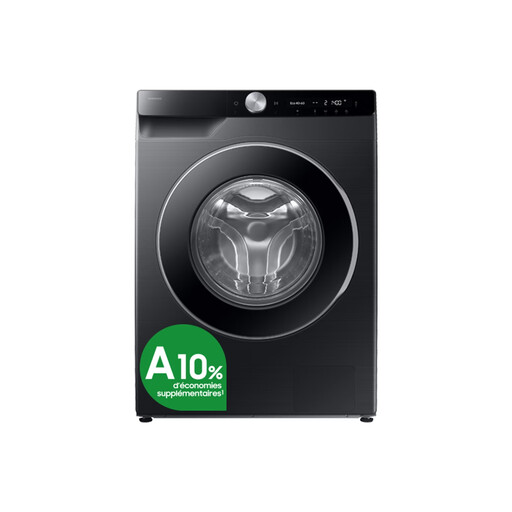 Image unavailable
Samsung WW90DG6U85LBU3 AI Wash 6000 Series, 9 kg, black
Its 9 kg capacity may suit a household that combines its laundry, provided the door and dimensions work for your space.
Check the model’s spin noise on the energy label and follow the installation instructions to place it on a flat, stable surface.
View on Joybuy
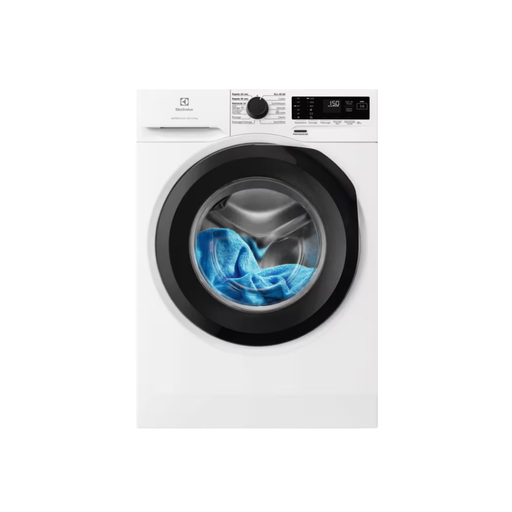 Image unavailable
Electrolux EWF1410N2, 10 kg, Steam Anti-Allergy, TimeSave
Its 10 kg capacity may suit a household that combines larger loads, provided you have enough room for this front-loader.
The advertised features include TimeSave and an Inverter motor. Check the model’s noise class on the energy label and make sure it’s installed level.
View on Joybuy
Frequently asked questions
Which figure should I compare to find a washing machine that’s less disruptive during the spin cycle?
Compare the sound emissions during the spin cycle, expressed in dB, as well as the exact model’s noise class from A to D. ADEME and Gifam say this information appears on the energy label. When choosing between two machines, also consider their capacity and spin speed.
Can a washing machine with a low dB rating still vibrate?
Yes. The product’s stated noise level doesn’t tell you on its own how vibrations will travel through your home. Miele recommends installing the machine level, with all four feet firmly in place. Check the floor and follow the installation instructions.
Should I choose a top-loader or front-loader for a small shared home?
Choose a format that fits the space, then compare the noise level of the model you’ve picked. Gifam says a standard front-loader is 60 cm wide, while a top-loader is generally 40 or 45 cm wide. However, a top-loader needs clearance above for loading.
What else should I check besides the energy label when buying a washing machine in France?
Check the model’s durability index, which is separate from the energy and noise information on the energy label. The Ministry of the Economy says this score out of 10 has replaced the repairability index for front-loading and top-loading washing machines since 8 April 2025, and takes repairability and reliability into account.


