
Livraison le jour même ou le lendemain

Qualité garantie

Débloquez vos offres de bienvenue: Livraison GRATUITE | Jusqu'à -80 % | 30 jours d'essai gratuits à JoyPlus
Téléchargez l'application
When a heatwave turns your home into an oven, the quest for the ideal quiet portable air conditioner becomes a top priority. The problem: the market is saturated with confusing marketing claims. Between deceptively low decibel ratings and overstated cooling capacities, it's easy to make a purchasing mistake. As Joybuy product experts, our mission is to help you decode the spec sheets to make the right choice, without breaking the bank.
Before you dive in, let's review two common pitfalls that cost consumers dearly.
To avoid unpleasant surprises, don't just trust the marketing. Here is the objective technical data that will give you a clear idea of the unit's real-world performance.
Power, expressed in BTU, measures the unit's capacity to cool a volume of air. For a typical home, here are some simple guidelines:
For a portable AC for a bedroom, silence isn't an option—it's the number one criterion. Noise is measured in decibels (dB).
Always check for a Night mode (or 'Sleep' mode), which slows down the fan to minimise noise disruption.
A good modern air conditioner does more than just cool. A 3-in-1 model with dehumidifier and fan functions offers welcome versatility all year round. The dehumidifier function, for example, is incredibly effective against the damp, humid feeling on rainy summer days.
Above all, don't overlook the energy label. A unit rated A (or better) ensures controlled energy consumption. This is a crucial detail, as a great summer AC deal can sometimes hide a hefty electricity bill down the line.
Rather than a generic list, here are units tailored to specific user profiles, taking into account the criteria we've just discussed.
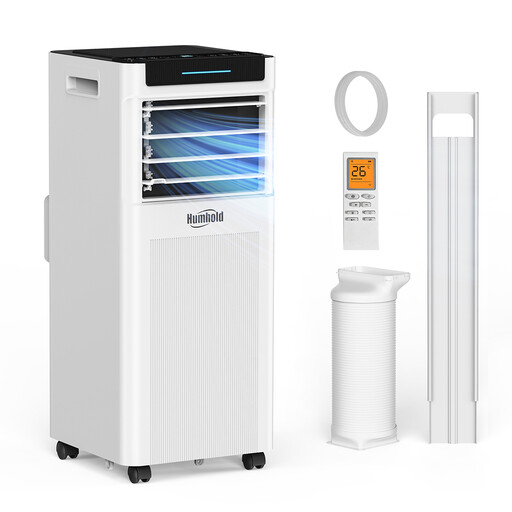
Why it stands out: This is the model designed for those who can't stand any noise at night. It's perfect for a master bedroom or a child's room, where silence is golden for a restful sleep.
Instead of a vague marketing promise, the manufacturer states a precise figure: a noise level below 51 dB in night mode. This verifiable data classifies it among the truly discreet units for sleeping.
It combines a very quiet night mode with a comfortable 9000 BTU (2.6 kW) of power, enough to effectively cool a room up to 30 m? without disturbing your sleep.
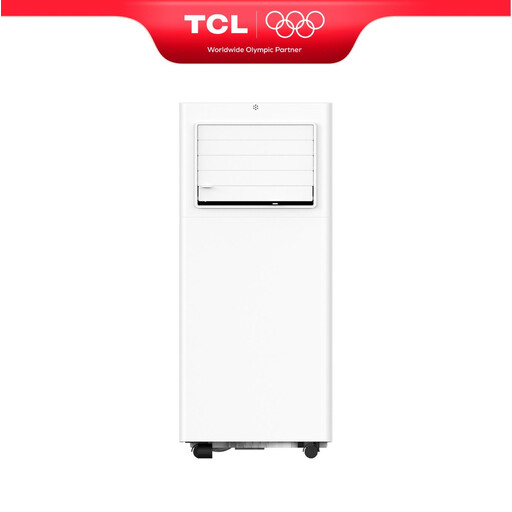
Why it stands out: Perfect for a home office or living room, it's aimed at those looking for a comprehensive and cost-effective solution for daily use, not just during peak heatwaves.
Here, the focus is on the performance-to-cost ratio. Its A energy rating and 24-hour timer allow you to manage its consumption and avoid a shock when the electricity bill arrives.
Its triple 3-in-1 (air conditioner, dehumidifier, fan) function makes it a useful ally all year round, making the investment worthwhile well beyond the summer season.
Explore our full selection of air conditioners that meet our performance criteria and European safety standards.
Yes, and that's one of their biggest advantages, especially if you're a renter. Most models include a window sealing kit. The installation comes down to four steps:
The cost depends on its energy rating, its power, your usage frequency, and your electricity price. To keep your budget in check, opt for an A-rated model, use the timer to turn it on only at key times (for example, an hour before bed to cool the room), and ensure the room is well-insulated.
In most cases, yes. A 9000 BTU portable air conditioner is the standard choice for an area up to 30?m? with a standard ceiling height (around 2.50?m). However, be aware: factors like poor insulation, large south-facing windows, or a room in the attic may require more power or longer operation to reach the ideal temperature.