Spinning near a home office or bedroom
You run your washing machine near a room where someone works or relaxes. Noise during the spin cycle and how the machine is installed matter just as much as its capacity.


Start by identifying which appliance and which part of its operation is bothering you: the spin cycle on your washing machine, your dishwasher cycle or your fridge running. ADEME recommends considering noise when choosing certain appliances. Compare the stated noise levels of models in the same category, while also considering capacity, dimensions and energy consumption. If noise is mainly travelling through the appliance’s position or the walls, replacing it alone is no guarantee of a quieter home.
You run your washing machine near a room where someone works or relaxes. Noise during the spin cycle and how the machine is installed matter just as much as its capacity.
You use the dishwasher while spending time in the living area and want to compare its noise level without overlooking its size and everyday use.
You’re looking for a model that suits your space and storage needs, while also taking its stated noise level into account.
First, identify the appliance in question, then compare noise information for models in the same category. If the disturbance seems to be linked to where the appliance is placed or to noise travelling between rooms, also consider other installation options.
| Concern | What to check | Who it mainly affects |
|---|---|---|
| Noise during the spin cycle | Noise level and class during the spin cycle; a capacity suited to your laundry loads and levelling instructions. | If I do laundry near a home office or bedroom, I want to minimise disturbance during the spin cycle without choosing the wrong capacity. Around 31% of consumers prioritise washing machine noise at this point. |
| Dishwasher cycle | Noise emissions in dB and noise class; installation type, capacity and information about the eco programme. | When the dishwasher is running while I’m in the living room, I want to compare noise levels without overlooking the available space or the number of place settings. Around 31% of consumers are mainly concerned about hearing the cycle from their living area. |
| Fridge noise | Noise emissions and class on the label; capacity, dimensions and annual energy consumption. | If the fridge is near where I relax, I’m looking for a stated noise level that suits my storage needs. Around 23% of consumers make this their top priority. |
| Noise travelling from where the appliance is placed | Possible locations, dimensions and access to connections; installation and levelling instructions. | If the disturbance seems to come from where the appliance is positioned or is travelling between rooms, I first check whether it could go somewhere else. Around 15% of consumers prioritise placement over replacing a particular appliance. |
Energy efficiency and noise emissions are separate details on the label.
Check the dB value and, where shown, the noise class for the exact model.
A fridge’s capacity, a washing machine’s load size and a dishwasher’s installation type all meet needs beyond noise levels.
First check your available space and everyday requirements, then compare noise information for suitable appliances.
Rooms being close together and noise travelling through walls can contribute to the disturbance, regardless of the appliance’s stated noise level.
Consider other installation options and check the installation instructions before deciding that replacement will be enough.
These washing machine and dishwasher examples let you compare spin-cycle noise with the noise of a dishwasher cycle separately.
The freestanding SN25ZI49CE dishwasher is worth comparing if its size suits your kitchen.
The Rsdci 1621 Plus table-top fridge is an example of a compact option when its capacity is enough for you.
Consider the fully integrated G 7790 SCVi AutoDos K2O dishwasher if your kitchen can accommodate this type of installation.
Compare these built-in dishwashers for a kitchen near a living area, considering their stated noise levels, capacity and installation requirements.
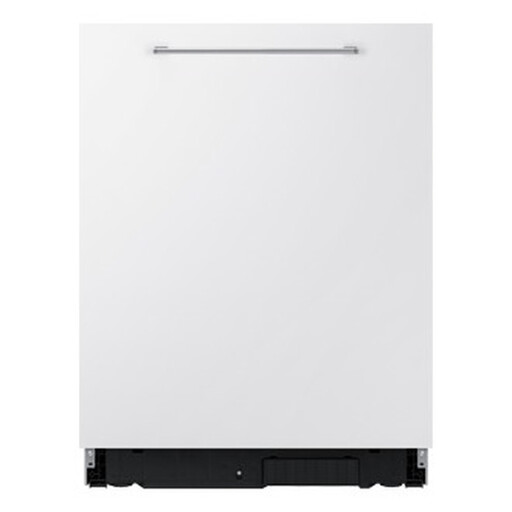 Image unavailable
Worth comparing if you’re looking for a built-in dishwasher with an Extra Silence programme.
Stated noise level: 44 dB(A). Listed capacity: 13 place settings. The product information recommends installation by a qualified professional.
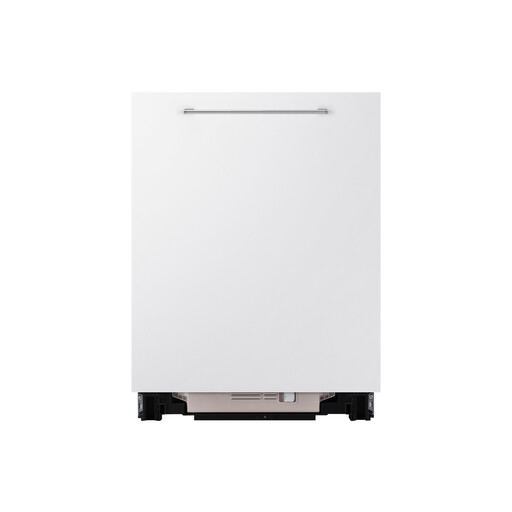 Image unavailable
Worth comparing if you’re looking for an integrated model with an Extra Silence programme.
Stated noise level: 44 dB(A); Extra Silence programme listed at 42 dBA. Listed capacity: 13 place settings. Check that it’s compatible with your kitchen units and follow the installation instructions.
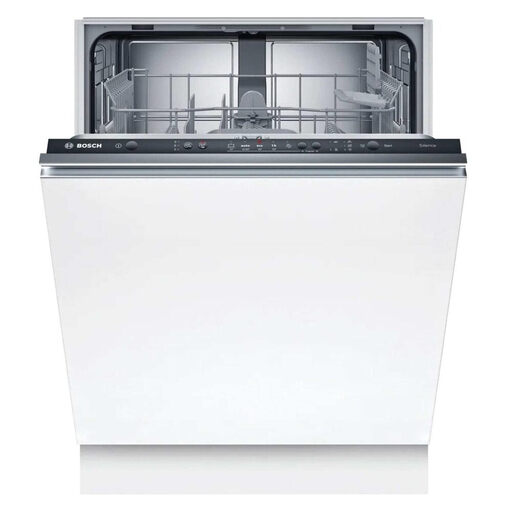 Image unavailable
Worth comparing if you need a built-in dishwasher with a listed capacity of 12 place settings.
Stated noise level: 48 dB; listed noise class: C. The product information recommends installation by a qualified professional.
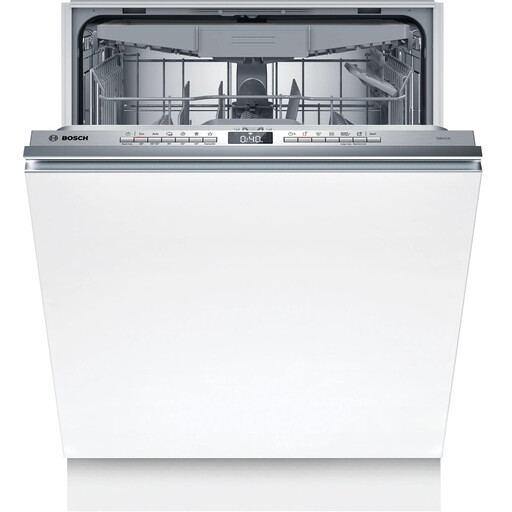 Image unavailable
Worth comparing if you’re looking for a built-in model with a listed capacity of 14 place settings and a Silence programme.
Stated noise level: 46 dB(A); listed noise class: C. Check that it fits your kitchen recess and door panel; the product information recommends professional installation.
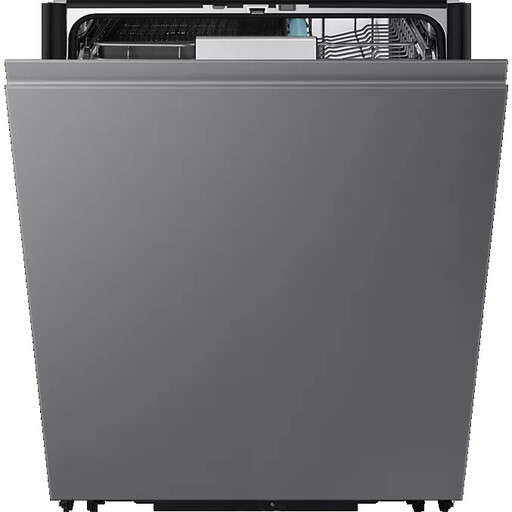 Image unavailable
Worth comparing if you’d like an integrated model with 14 place settings and an Extra Silence programme.
Stated noise level: 42 dB; listed noise class: B. Check that it’s compatible with your kitchen units and follow the installation instructions.
Not as if they were used in the same way: a washing machine’s figure relates to stages such as the spin cycle, while figures for other categories relate to their own appliances and conditions. First compare models in the same category and check which part of the cycle the stated figure refers to. It doesn’t measure the noise you’ll hear in your room.
Follow the instructions for your model. Bosch recommends removing the transit bolts and adjusting and locking the feet to level the appliance. Following these installation instructions doesn’t guarantee silent operation.
No. When you buy from a professional seller, the legal guarantee of conformity applies under its own terms; a commercial warranty is optional. The DGCCRF states that claims under the legal guarantee of conformity are subject to a two-year limitation period from the date the goods are delivered.
For products covered by EU energy labelling rules, the label must be displayed at the point of sale, including online. Check the label for the exact model and don’t infer its noise class from the product range name.