Which features should you check first?
First, choose a format that fits your available space and storage needs. Then compare the noise levels and energy consumption of the models that are suitable.
Freestanding fridge freezer
Consider this if: you need a separate freezer and versatile storage space.
Bear in mind: you’ll need a suitable spot for the appliance, and noise levels vary between fridge freezers.
Compact or table-top model
Consider this if: space is your main concern and a smaller capacity will meet your needs.
Bear in mind: check that the storage space and, if needed, the freezer compartment suit the way you’ll use it.
Built-in fridge
Consider this if: your kitchen has a housing unit that fits the model you’ve chosen.
Bear in mind: you’ll need to check the dimensions, door fitting and ventilation. A cabinet doesn’t guarantee a quieter appliance.
| Feature |
What to check |
Who it matters to |
| Noise |
Compare the declared value in dB(A) re 1 pW and the noise class of the exact model. Consider where you plan to put it. |
If I sleep or work near the appliance, I want to limit disruption in my living space. Around 33% of consumers prioritise a quieter home. |
| Capacity and freezer |
Check the capacity of each compartment separately, as well as the external dimensions and door clearance. |
If I regularly store fresh and frozen food, I need enough room in each compartment. Around 27% of consumers prioritise this capacity. |
| Energy consumption |
Check the energy rating and annual consumption on the label. Compare appliances with a configuration and capacity that suit your needs. |
If the appliance will be running all the time in my living space, I want to compare its energy consumption without confusing it with its noise level. Around 20% of consumers put this first. |
| Installation and maintenance |
For a built-in appliance, check the housing unit dimensions, door fitting and ventilation requirements. Also check the defrosting feature you want. |
If I have an existing housing unit or limited space, I need an appliance that can be installed correctly and is easy for me to maintain. Around 20% of consumers prioritise this. |
Cooling technology is a separate consideration from noise level. Bosch’s product information lists noise levels of 29 and 40 dB(A) respectively for its No Frost fridge freezers, the KGN39AIAU and KGN33NSDB. So check the figure for the model you’re considering rather than assuming No Frost means it will be quieter.
Fridges to compare on Joybuy
These appliances cover several of the needs discussed here: a fitted kitchen for the built-in model, a separate freezer for the fridge freezers, and extra storage space in the side-by-side models. Before choosing one for an open-plan room, compare its size with your available space and check the information on its energy label.
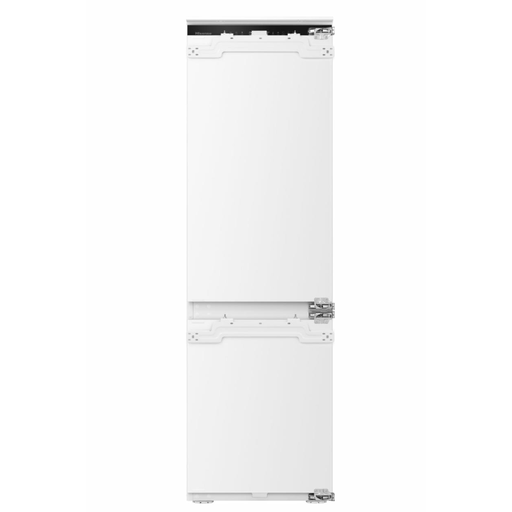 Image unavailable
Hisense RB3B250SAWC, 252 l built-in
Worth considering for a fitted kitchen if the housing unit and door fitting are suitable. The model name indicates a capacity of 252 l, No Frost and an energy rating of C. Check the installation requirements and the declared noise level on its energy label.
View on Joybuy
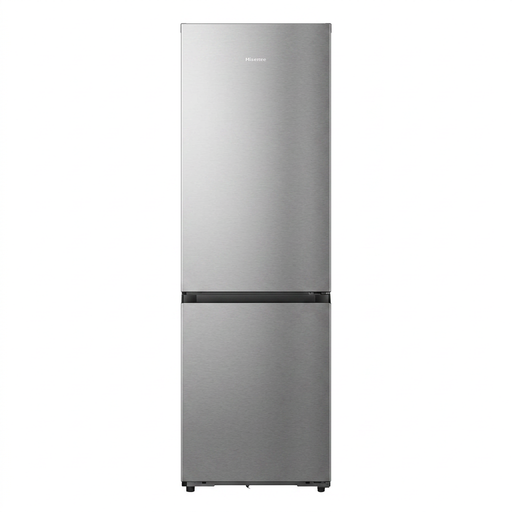 Image unavailable
Hisense RB3K330SAFC, 330 l freestanding fridge freezer
Compare this model if you want a fridge and freezer in one freestanding appliance. The model name indicates a capacity of 330 l, No Frost and a noise level of 35 dB. Check its dimensions, the clearance it needs and the noise level on the energy label for the exact model.
View on Joybuy
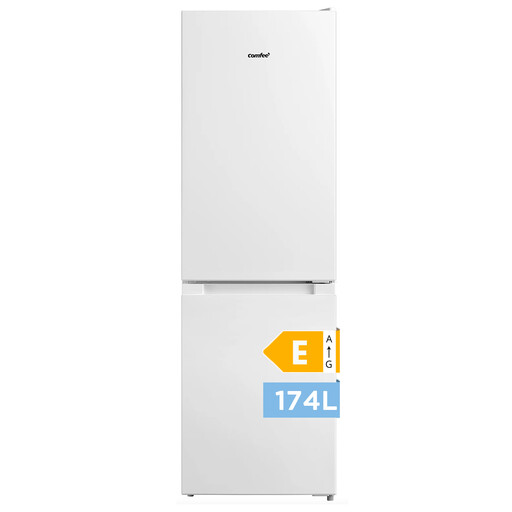 Image unavailable
Comfee' RCB169WH2(E), 174 l fridge freezer
Worth considering if you’re looking for a mid-capacity fridge freezer with a separate freezer compartment. The model name indicates a height of 150 cm, Low Frost, a noise level of 39 dB and an energy rating of E. Low Frost doesn’t mean you won’t need to defrost it, so check what maintenance is required.
View on Joybuy
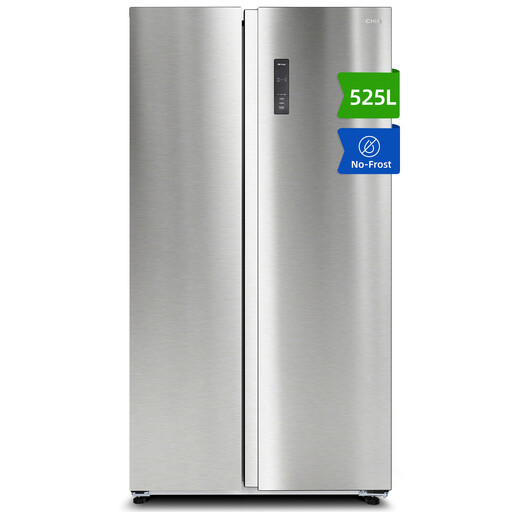 Image unavailable
CHiQ JR525WSE, 525 l side-by-side
Worth considering if you need more space for fresh and frozen food, provided there’s room for the appliance. The model name indicates 333 l of fridge space, 192 l of freezer space, No Frost, a noise level of 37 dB and an energy rating of E. Remember to measure the route into your home for delivery, too.
View on Joybuy
 Image unavailable
Sonlu CC-520WE, 444 l
Compare this model if you need plenty of storage space in an open-plan room. The model name indicates a capacity of 444 l, a noise level of 40 dB, a frost-free feature and an energy rating of E. Check the dimensions, the capacity of each compartment and the standardised noise level before choosing.
View on Joybuy
Frequently asked questions
Which figure should I check to compare the noise levels of two fridges?
Compare their declared airborne noise emissions in dB(A) re 1 pW, shown on the energy label or in the product information. The noise class can also help, but the position of the appliance matters when you’re assessing how noticeable it might be in your room.
Is a No Frost fridge always quiet?
No. No Frost doesn’t indicate a noise level. Bosch lists noise levels of 29 and 40 dB(A) respectively for its No Frost fridge freezers, the KGN39AIAU and KGN33NSDB. Compare the figure for the model you’re interested in.
Can I choose a built-in model because its door will be hidden?
No. A cabinet door doesn’t guarantee that the appliance will be quiet or compatible with your kitchen. Check the declared noise level, housing unit dimensions, door system and ventilation requirements for the model.
Is the energy rating enough to choose a fridge for an open-plan kitchen?
No. It helps you compare energy efficiency, but it doesn’t replace checks for noise level or usable capacity. ADEME recommends using the energy label when choosing household appliances. Check the details against your storage needs and where you plan to put the appliance.
What should I arrange for my old fridge when I buy a new one?
Ask the seller how collection and removal work before you place your order. In particular, check where they’ll collect it from and whether they can access your home.


