Busy people keeping an eye on sugar
You want a ready-to-serve drink, but you also want to tell the difference between ‘no added sugar’ and ‘sugar-free’, and check the figures per 100 ml.


For a quick breakfast, choose whole fruit if fibre is important to you. A ready-to-serve juice is mainly a time-saving option, but it isn’t a substitute for whole fruit. If you choose juice, compare the product description, the ‘of which sugars’ figure per 100 ml and the amount you serve. ‘No added sugar’ does not mean ‘sugar-free’. Manger Bouger recommends limiting fruit juice to a maximum of one glass a day.
You want a ready-to-serve drink, but you also want to tell the difference between ‘no added sugar’ and ‘sugar-free’, and check the figures per 100 ml.
You check whether a product is pure juice, juice from concentrate or nectar, as well as its ingredients list.
You choose between a bottle, carton or multipack based on the space you have, storage requirements and how much your household will drink.
For a quick breakfast, first decide whether you want whole fruit or a drink to serve. If you opt for a fruit drink, check its product description and label before choosing a size.
| What matters | What to check | Who it matters to |
|---|---|---|
| Sugar in your glass | The ‘of which sugars’ figure per 100 ml and the amount you actually pour. | If I want to keep track of the sugar in my drink, ‘no added sugar’ isn’t enough for me. Around 40% of consumers put this first. |
| Time and storage | Whether it’s for serving or taking with you, and how to store it before and after opening. | When mornings are busy, I look for an option that needs little preparation and can be stored properly. Around 30% of consumers put speed first. |
| Recipe and origin | The product description, its ingredients and, if it matters to you, its origin or organic status. | I’d rather know whether I’m buying pure juice, juice from concentrate or nectar than rely on the brand name. Ingredients are the top priority for around 20% of consumers. |
| Size for your household | The volume, the space it takes up and storage instructions after opening. | If several people share the bottle, I want a size that suits how much we drink without overlooking storage requirements. Around 10% of consumers put this practical consideration first. |
Juice with no added sugar can still contain sugars that occur naturally in fruit. The amount varies by recipe.
Check the ‘of which sugars’ figure per 100 ml, then take into account how much you plan to serve.
Manger Bouger says fruit juice is low in fibre compared with whole fruit and recommends choosing whole fruit instead.
If fibre matters to you, make time for a piece of whole fruit, even when you’re in a hurry.
A bottle to share is only practical if its storage requirements fit your routine and how much your household drinks.
Check the volume and storage instructions after opening before choosing a larger size.
These product descriptions refer to different drinks. The word ‘fruit’ on the front doesn’t tell you on its own what kind of drink it is.
Check the product description, ingredients list and nutritional information.
The range includes pure juices, juices with no added sugar and organic options.
Some products combine several fruits and highlight added vitamins.
The Carrefour Classic’ and Carrefour Extra ranges include citrus juices and options with no added sugar.
These ranges include pure juices, nectars and organic options.
These ready-to-serve options include four Don Simon nectars and one Joker mixed fruit juice. To compare them for a quick breakfast, first distinguish between nectar and juice, then check the sugars per 100 ml, ingredients and storage instructions on each pack.
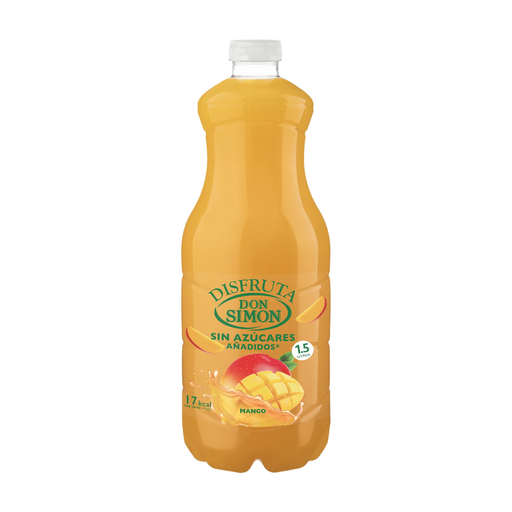 Image unavailable
A nectar to consider if you’re looking for a ready-to-serve mango drink. The PET bottle holds 1.5 L. Compare the sugars per 100 ml and check the ingredients if you want to avoid sweeteners.
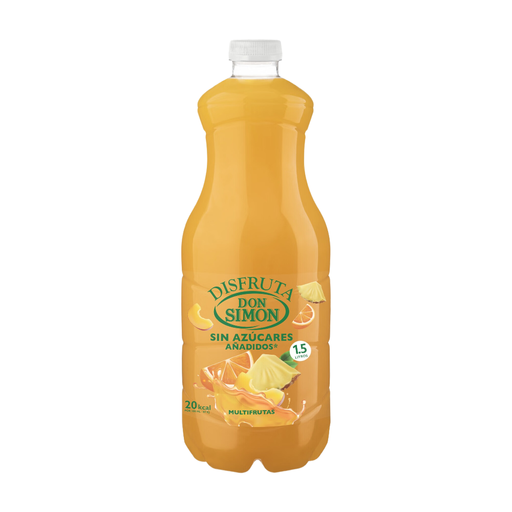 Image unavailable
This ready-to-serve nectar is a good fit if you prefer fruit blends. It comes in a 1.5 L bottle. Check the ingredients, sugars per 100 ml and storage instructions after opening.
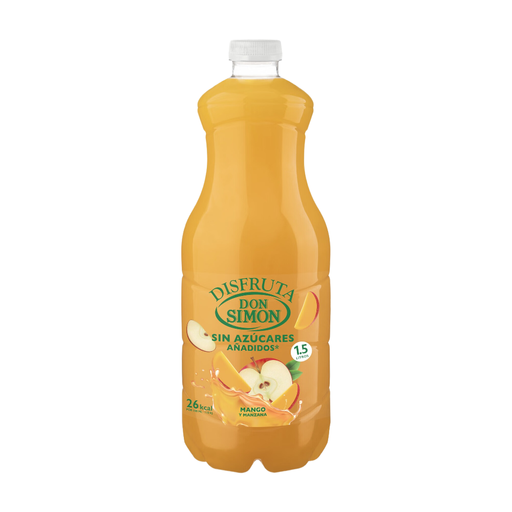 Image unavailable
This mango and apple nectar is a ready-to-serve option if you enjoy this fruit combination. The bottle holds 1.5 L. Check the sugars per 100 ml and the ingredients list before choosing.
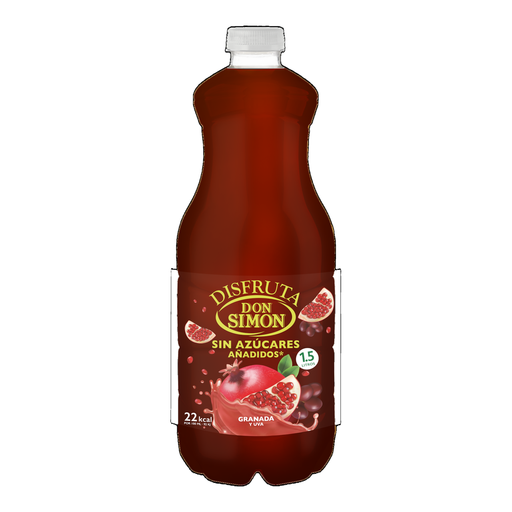 Image unavailable
This ready-to-serve nectar is for anyone who prefers a pomegranate recipe. The bottle holds 1.5 L. Read the ingredients and figures per 100 ml, and remember that it isn’t a substitute for whole fruit.
 Image unavailable
This ready-to-serve mixed fruit juice is a good choice if you’re looking for juice rather than nectar. The bottle holds 1.5 L. Check the sugars per 100 ml and how much you plan to pour.
No. Juice with this claim can still contain sugars that occur naturally in fruit. To compare two drinks, check the ‘of which sugars’ figure per 100 ml and how much you plan to serve.
Manger Bouger recommends limiting fruit juice to a maximum of one glass a day and choosing whole fruit instead. If you have juice at breakfast, bear this in mind when deciding how much to serve.
No. The product description alone doesn’t tell you how much sugar a drink contains. Compare the ‘of which sugars’ figures per 100 ml for the specific products you’re interested in, as well as their ingredients.
No. Follow the pack instructions before and after opening. For example, Carrefour’s listing for Extra 3 Citrus juice says to store it between 0 °C and +6 °C. This doesn’t automatically apply to other juices.