
Livraison le jour même ou le lendemain

Qualité garantie

Débloquez vos offres de bienvenue: Livraison GRATUITE | Jusqu'à -80 % | 30 jours d'essai gratuits à JoyPlus
Téléchargez l'application
Choosing a 500 ml Queen aloe vera drink is about more than selecting a flavour and clicking “Add to basket”. The texture, sugar content, presence of pulp and storage requirements after opening can all significantly affect your experience. To avoid ending up with a bottle that does not suit your tastes or routine, it is better to check the label carefully rather than rely solely on promises such as “natural”, “light” or “refreshing”.
In an aloe vera drink, the presence of a fruit flavour does not mean that the fruit is the main ingredient. The Queen products featured here generally contain 30% aloe vera in the form of juice and pulp, while the proportion of mango, blueberry or pomegranate may be considerably lower.
An aloe vera and mango drink may therefore be based on a recipe very similar to a blueberry version, while offering a different level of fruit intensity. The ingredients list helps distinguish between concentrated juices, flavourings and plant extracts.
The name Queen Aloe Vera Zero 500ml does not replace the need to check the nutritional table. The product information lists sugar and sucralose, with 20 kcal and 4.5 g of sugars per 100 ml, equivalent to 100 kcal and 22.5 g of sugars per 500 ml bottle.
The presence of a sweetener or a lower calorie content does not therefore mean that the drink contains no sugar. This check is particularly useful if you are looking for a low-calorie cold drink to enjoy from time to time.
Aloe vera with pulp contains small, soft pieces that noticeably change the drinking experience. Drinks made with nata de coco, meanwhile, contain firmer, more elastic cubes of coconut jelly.
When recommended on the label, gently shake the bottle, then drink without rushing. Drinks containing aloe vera pulp or nata de coco present a choking risk for young children. They are therefore not suitable for distracted or overly fast consumption.
If you are looking for an aloe vera juice with pulp, look for the words “juice and pulp” in the ingredients. A 30% content gives a useful indication of aloe vera’s place in the recipe, but it should not be taken as a promise of any beneficial health effect.
For a more playful experience, the mango nata de coco drink contains pieces of coconut jelly rather than aloe vera pulp. The choice therefore depends as much on the texture as on the flavour.
Start by comparing the values for 100 ml, then convert them to the actual 500 ml format. The available information is as follows:
Most of these drinks are still, which may appeal to anyone looking for an alternative to fizzy soft drinks. However, bear in mind that being still does not mean being sugar-free.
If you are planning to buy several bottles, remember to make room for them in the fridge. Before opening, the product information generally recommends storing them in a cool, dry place. Once opened, the bottle must be refrigerated.
The storage period after opening depends on the product: 48 hours for several flavours and 72 hours for Queen Aloe Vera Nature. The instructions on the packaging you receive should always take priority. At 500 ml, the bottle is therefore best suited to individual consumption or sharing shortly after opening.
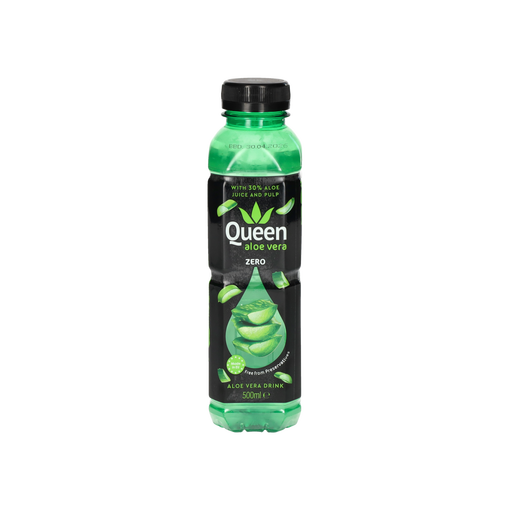
Why this choice suits this profile : With its natural profile and individual serving size, this drink lets you discover pulp without immediately opting for a strongly pronounced fruit flavour.
The product information mentions the presence of sugar and sucralose, as well as the nutritional values for a full bottle, so the term “Zero” is worth checking carefully.
30% aloe vera in the form of juice and pulp, 500 ml, with no allergens declared in the product information.
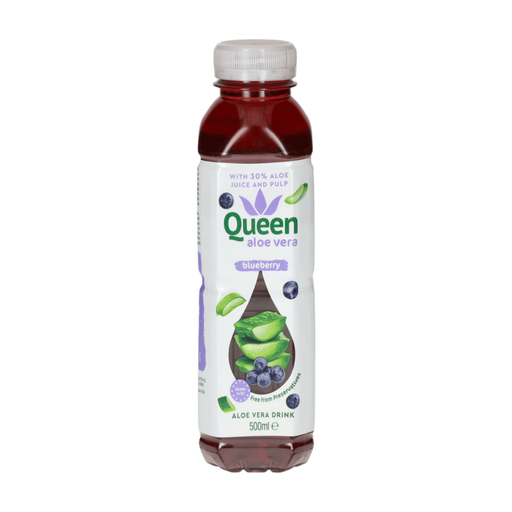
Why this choice suits this profile : Blueberry adds a more pronounced fruity note to this still drink, making it ideal for a delicious break.
The product information states that it contains 2% blueberry juice from concentrate: the fruity flavour should not be mistaken for a drink made predominantly from blueberries.
30% aloe vera, still drink, with no added preservatives according to the description provided.
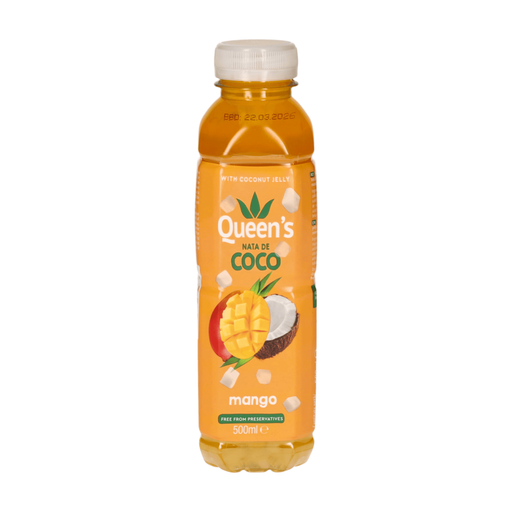
Why this choice suits this profile : The coconut jelly pieces offer a completely different texture, making this a practical fruity drink to take with you or share.
The presence of nata de coco is clearly stated in the ingredients and safety instructions, so the texture will not come as a surprise when you open the bottle.
19 kcal per 100 ml, still drink, coconut jelly pieces and a 500 ml bottle.
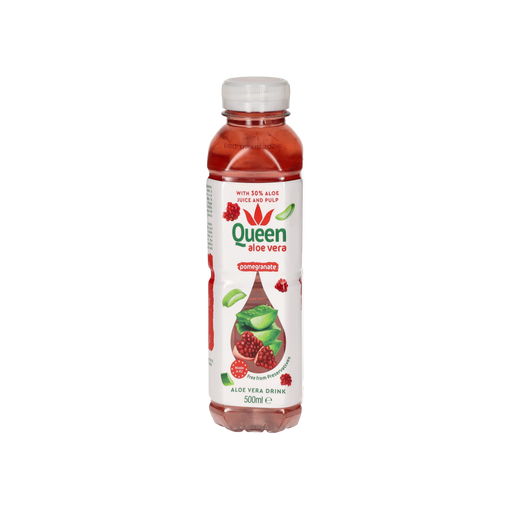
Why this choice suits this profile : Pomegranate adds a brighter fruity note, perfect if you fancy a change from plain or mango aloe vera.
The ingredients list specifies 1% pomegranate juice from concentrate, along with the other ingredients, so you can compare the advertised flavour with the actual recipe.
30% aloe vera, 20 kcal per 100 ml, pomegranate notes and an easy-to-carry 500 ml bottle.
The product information generally recommends storing the bottle in a cool, dry place away from direct sunlight. After opening, place it in the fridge and consume it within the period stated on the packaging: this is often 48 or 72 hours, depending on the product.
Aloe vera with pulp has a texture made up of small pieces from the plant. Nata de coco contains cubes of coconut jelly, which are generally firmer and more elastic. In both cases, drink with care, particularly when serving children.
Mango offers a sweet tropical note, blueberry has a more intense fruity profile and pomegranate delivers a tangier flavour. To make the right choice, also compare the sugar content, calories and exact proportion of juice stated on each product page.