What should you look for when choosing?
First, check whether you’ll be using a bottle of cold water or a cup of hot water. Then compare the recipe and tea bag format to find products that suit your preferred preparation method.
| What to consider |
What to check |
Who it matters to |
| Preparing it at your desk |
Check whether the recipe is designed for cold or hot water, then look at the recommended volume and steeping time. Carrefour France’s product pages for Lipton and Éléphant cold infusions recommend steeping for 5 minutes in 500 ml of cold water. |
If there’s no kettle nearby, I want to make my drink in a water bottle during my break. Around 36% of consumers would prioritise this option. |
| Recipe and precautions |
Read the ingredients and any allergens listed on the packaging; check whether the specific product states that it contains caffeine. Don’t assume that terms such as “detox” or “digestion” mean it will have a particular effect on you. |
For a late break or a recipe containing several herbs, I want to know what I’m drinking before I choose. Around 29% of consumers would make this a priority. |
| Flavour to go with your snack |
Compare the ingredients and flavours listed. The recipes mentioned include combinations such as mint and lime, grapefruit and mint, or verbena and mint. |
Depending on what I’m having to eat, I prefer to start by choosing a flavour I like. Around 21% of consumers would put this first. |
| Format and organic claims |
Identify the type of tea bag and check the organic claims for the product in question. Don’t assume anything about flavour or recycling instructions based on the shape of the tea bag alone. |
If I prefer a pyramid or muslin tea bag and a recipe labelled organic, I want to confirm these details on the product. This would be the top consideration for around 14% of consumers. |
Brands to consider, depending on the product
A brand may offer tea, a cold infusion or a recipe to brew in a cup. Always check the specific product rather than assuming that the same features apply across the entire range.
Lipton
Teas and infusions, including products designed for cold water.
- Carrefour France’s product page for Citron vert Menthe describes 15 Pyramid® tea bags and recommends steeping for 5 minutes in 500 ml of cold water.
- The brand’s black and green teas shouldn’t be confused with a product labelled caffeine-free.
Éléphant
Pyramid® tea bags designed for either cold or hot preparation, depending on the recipe.
- Carrefour France recommends steeping the cold-brew Digestion infusion for 5 minutes in 500 ml of cold water, compared with 4 to 5 minutes in 200 ml of hot water for Détox Bio.
- The names “Digestion” and “Détox” don’t prove that a product will have a particular effect on you.
Kusmi Tea
An option to compare muslin tea bags with pyramid tea bags, without treating the two formats as the same.
- Kusmi Tea describes Be Cool as an organic infusion combining verbena, mint and liquorice.
- According to Anses, liquorice calls for particular care if consumed in high amounts over time. The muslin format doesn’t prove that it makes a better infusion.
Cold infusions available on Joybuy
These products are suited to a break with cold water, especially if you make your drink in a water bottle rather than a cup. Compare their recipes and check the ingredients and preparation instructions on each pack. This selection doesn’t include infusions designed to be made with hot water.
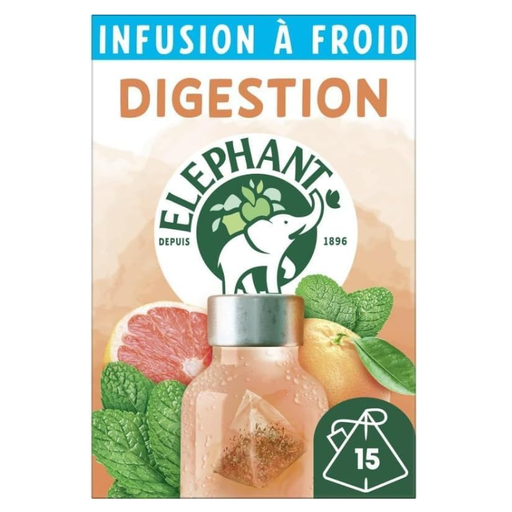 Image unavailable
Éléphant Cold Brew Digestion — 15 tea bags
Worth considering if you’d like to make a cold infusion during a break without a kettle. Carrefour France’s product page for Digestion Pamplemousse Menthe recommends steeping for 5 minutes in 500 ml of cold water. The word “Digestion” doesn’t guarantee any particular effect.
View on Joybuy
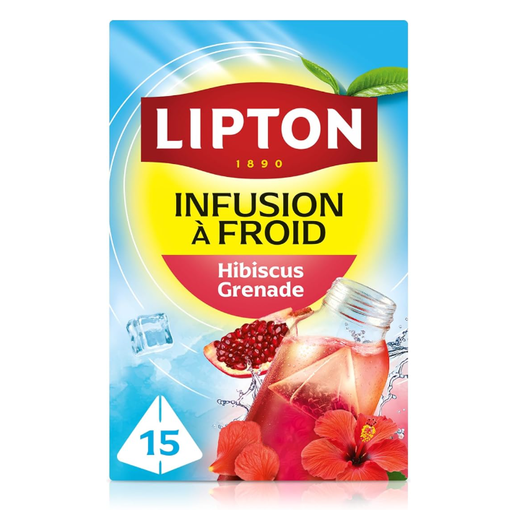 Image unavailable
Lipton Cold Brew Hibiscus & Pomegranate — 15 tea bags
An option to consider if you’re looking for a cold infusion with hibiscus and pomegranate notes to make in your water bottle. Check the ingredients and instructions for this variant before preparing it.
View on Joybuy
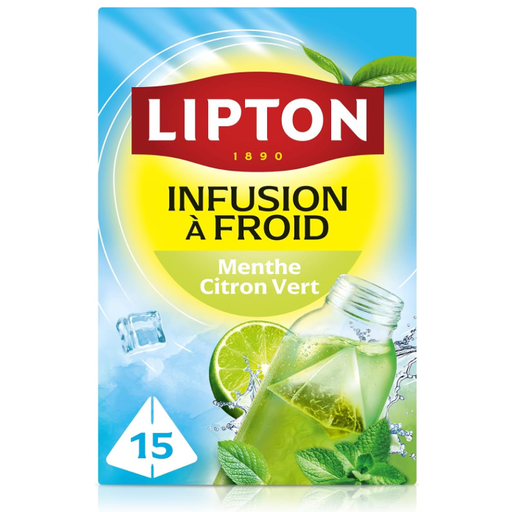 Image unavailable
Lipton Cold Infuse Mint & Lime — 15 tea bags
This mint and lime recipe is for anyone who prefers these flavours in a cold infusion. Carrefour France’s product page for Citron vert Menthe recommends steeping for 5 minutes in 500 ml of cold water and labels this product caffeine-free.
Purchase link unavailable
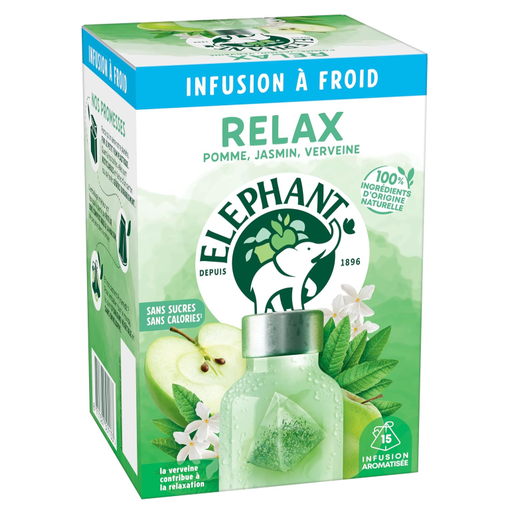 Image unavailable
Éléphant Relax Cold Brew Infusion — 15 tea bags
This cold infusion may appeal if you’re looking for a recipe that’s different from minty or fruity blends. Check the ingredients for this variant. “Relax” is part of the product name and doesn’t guarantee a calming effect.
View on Joybuy
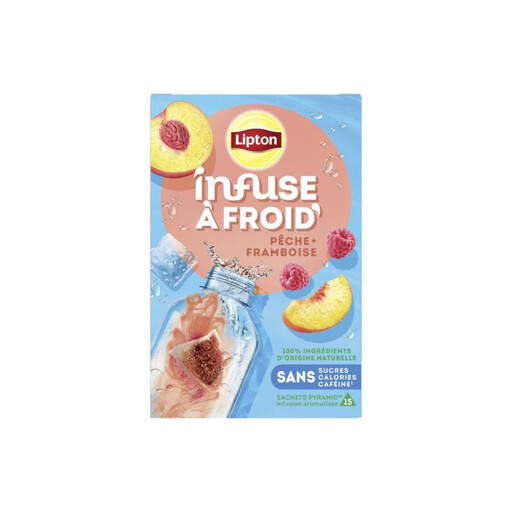 Image unavailable
Lipton Cold Brew Peach & Raspberry — 15 tea bags
Worth comparing if you prefer a peach and raspberry blend for a cold infusion. Check the ingredients list, including the liquorice listed in this recipe. Anses advises caution with high, repeated consumption of products containing liquorice.
View on Joybuy
Frequently asked questions
Does a pyramid tea bag always make a better infusion?
No. Its shape doesn’t guarantee better flavour or a “wellbeing” benefit. To choose an infusion to enjoy with a snack at work, compare its ingredients, recommended water volume and steeping time.
How do you make a cold infusion at work?
For the Lipton and Éléphant cold infusions described by Carrefour France, the instructions recommend steeping for 5 minutes in 500 ml of cold water. Check the instructions on your box. Éléphant’s hot-water Détox Bio, for example, should be steeped for 4 to 5 minutes in 200 ml of hot water.
Does an infusion called “detox” or “digestion” have a guaranteed effect?
No. These words in a product name don’t guarantee a particular result for you. The DGCCRF reminds consumers that nutrition and health claims are regulated. Check the recipe and the precise claims on the product, and don’t treat its name as a therapeutic promise.
What should you check on the pack before choosing?
First, check the ingredients list and any highlighted allergens. Then look at the preparation instructions and, if it matters to you, check whether the product explicitly states that it contains caffeine. The European Commission notes that the ingredients list and highlighting of allergens are part of the labelling requirements for prepacked foods sold in the European Union.
Should the presence of liquorice affect my choice?
It’s worth taking into account if you’re planning to drink the infusion regularly. Anses says that high, repeated consumption of liquorice can lead to hypokalaemia and high blood pressure, among other effects. Check the ingredients for the product and ask a healthcare professional for advice if you may be at risk.


