What should you look for?
First decide which drinks to serve — caffeine-free, varied or chilled — then compare the ingredients and instructions for tea bags that meet your needs.
| What to look for | Check | Who is it for? |
|---|
| Caffeine-free drink |
The product name, ingredients list and, if it’s essential, an explicit ‘caffeine-free’ claim. |
If any guests avoid caffeine, I want to be able to identify their drink without relying on the word ‘infusion’ alone; around 33% of consumers put this precaution first. |
| Choice of blends |
The flavours on offer, the ingredients in each blend and the brewing instructions. |
When people have different tastes, I prefer to offer a choice of several blends; this variety comes first for around 27% of consumers. |
| Chilled drinks |
A ‘cold infusion’ label and the preparation method shown on the packaging. |
For an outdoor brunch, I want to make a refreshing drink without improvising with a tea bag intended for hot water; around 20% of consumers prioritise this way of serving drinks. |
| Individual servings |
The number of tea bags, along with the water volume and brewing time specified for the product. |
If everyone is making their own cup, I look for a format that’s easy to hand out and instructions that are simple to follow; this is a priority for around 20% of consumers. |
A Joybuy product to consider
This tea bag product could be a good option for individual servings at brunch. If caffeine-free ingredients or cold preparation are essential, check the packaging for these details before you buy.
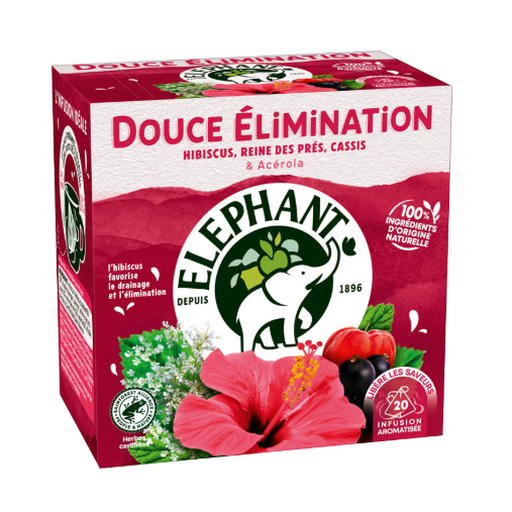 Image unavailable
ELEPHANT Gentle Elimination — 20 tea bags
Individual tea bags are easy to hand out to guests at brunch.
Box of 20 tea bags. Check the label for ingredients, allergens and preparation instructions. If you’re looking for a caffeine-free drink or one for cold infusion, check for an explicit claim.
View on Joybuy
Frequently asked questions
Does a pyramid tea bag always infuse better than a flat tea bag?
No. The format alone doesn’t guarantee a difference across all blends. A manufacturer may explain the benefits of a pyramid bag for its own product; when choosing tea bags, compare the ingredients, quantity and brewing instructions too.
Is a tea bag sold as an infusion always caffeine-free?
No. Check the ingredients rather than relying on the shelf it’s on or the shape of the bag. Anses notes that tea and guarana naturally contain caffeine; if your guests avoid it, look for a product name and ingredients that match their needs.
Can you use the same brewing time for every tea bag at brunch?
No. Follow the instructions for each product. For example, Auchan’s listings recommend 2 minutes in 200 ml of water at 90 °C for Lipton’s Thé vert Tchaé Menthe, compared with 4 to 5 minutes in 200 ml of hot water for Éléphant’s fruity infusion selection box. These timings don’t apply to other blends.
What should you check on the packaging before buying an assortment?
Read the product name and ingredients for each blend, then check the allergen and preparation information. The DGCCRF says that food labelling information must be visible, legible, provided at least in French and presented fairly.
Can you still use herbal tea after its best-before date?
Passing the best-before date doesn’t, by itself, mean the product should be thrown away if the packaging is intact. However, the DGCCRF says its flavour may deteriorate. Check the condition of the box and follow the storage instructions.


