
Livraison le jour même ou le lendemain

Qualité garantie

Débloquez vos offres de bienvenue: Livraison GRATUITE | Jusqu'à -80 % | 30 jours d'essai gratuits à JoyPlus
Téléchargez l'application
Watching your child pull themselves up to their feet for the first time is an unforgettable moment. To support them in this great adventure, a push walker (or walking trolley) is a fantastic ally. But with an overwhelming number of options, there are many pitfalls. Between unstable models and gadgets that are more distracting than useful, a poor choice can quickly lead to regret.
As a Product Expert at Joybuy, my mission is to help you navigate the options. Let's forget the marketing jargon and focus on what truly matters. Here's how to avoid the 3 most common mistakes and choose a walking trolley that is safe, fun, and genuinely beneficial for your child's development.
To make the right choice, you need to check three technical points. They are the true guarantee of a safe and durable product.
Stability is the non-negotiable criterion. Look for a baby walking aid with a very wide base, either triangular or rectangular, which lowers the centre of gravity and prevents the trolley from tipping over. The choice of materials is just as crucial. Plastics like PP (polypropylene) and ABS are known for their robustness and safety. This ensures a product free from harmful substances that will withstand the bumps of daily use.
A good push walker should be able to grow with your child. The presence of a speed adjustment system on the rear wheels is a major advantage. It allows you to add more or less resistance to the wheels to provide the right amount of control: slower at the beginning to build confidence, then freer once your child becomes more sure-footed. Some models even allow you to lock the wheels, which is ideal for letting your baby play with the activity panel without the trolley moving.
A musical and interactive push toy is a real bonus, as long as the activities it offers are relevant. Prioritise panels that include:
A convertible walker with a removable activity panel is an excellent option. This allows the child to play with it on the floor long before they can stand, extending the toy's lifespan.
Since every child develops at their own pace, here are several options suited to different stages and needs, all of which check the boxes for our safety and quality criteria.
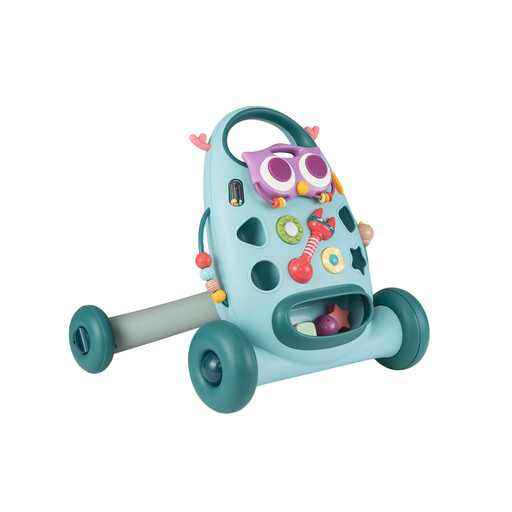
Why we love it: This model checks all the boxes for the perfect push walker. It supports your child from sitting up to taking confident first steps, making it a smart and long-lasting investment.
Its triangular structure guarantees rock-solid stability, while the adjustable brake on the rear wheels prevents it from running away. The activity panel is removable, allowing the child to play on the floor.
2-in-1 Versatility: A push walker and a removable activity panel. Maximum Safety: Adjustable speed and a stable structure to prevent falls.
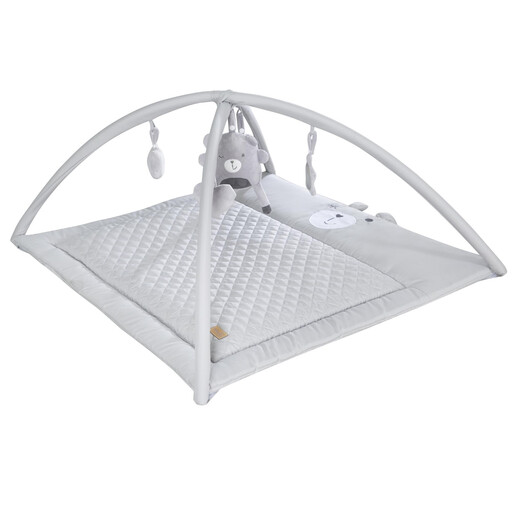
Why we love it: Before you can walk, you need to build muscle! This play mat is the ideal preparatory step for strengthening the back, neck, and arm muscles that are essential for standing up later on.
It avoids rushing into a walker. It focuses on the fundamentals of motor development (gross motor skills, hand-eye coordination) that naturally prepare a baby for walking.
Muscle Development: Perfect for "tummy time" sessions. Sensory Play: The 5 hanging toys encourage your baby to reach, touch, and listen.
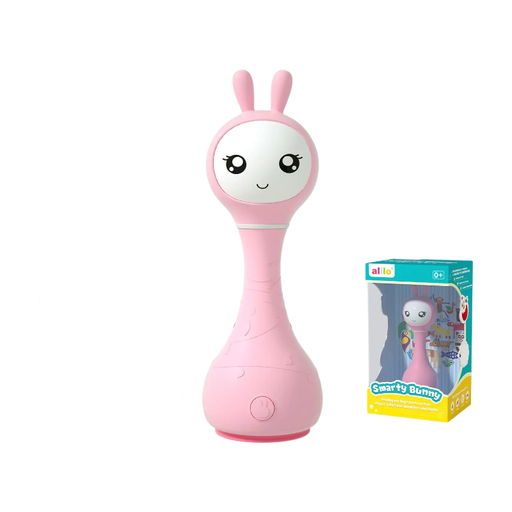
Why we love it: The perfect first birthday gift for a boy or girl, this clever bunny stimulates hearing and sight. It can even motivate a child to move towards it, encouraging their very first movements.
Far from overstimulating gadgets, it offers rich and varied content (nursery rhymes, stories, lullabies) and a colour recognition function. It's true playful learning, not just background noise.
Rich Educational Content: Pre-loaded with dozens of rhymes and stories. Smart Functions: Colour recognition and glowing ears that double as a night light.
We've put together a complete selection of products that meet our quality criteria and current safety standards.
There's no specific age, as it all depends on each child's individual pace. A walking trolley becomes relevant when a baby starts pulling themselves up on furniture and shows a desire to move, usually between 9 and 12 months. The key is that they have enough strength and coordination to stand with support.
Yes, unlike seated "exersaucer" style walkers (where the child is suspended in a seat), the walking trolley is recommended by many pediatricians because it doesn't hinder motor development. On the contrary, it helps the child find their own balance, strengthen their legs, and adopt a natural walking posture. The key is to choose a stable model with adjustable wheel speed.
Most models are made of plastic and can be cleaned very easily with a damp cloth and a little soapy water. Remember to regularly inspect the wheels to remove any hair or dust that could impede their rotation. If the activity panel is electronic and removable, take it off before cleaning the frame and dust it with a dry cloth. In all cases, always refer to the manufacturer's instructions.