
当日/次日达

品质保障

开启新人专享福利: 全场免邮 | 低至 2 折 | 免费试用 30 天 JoyPlus 会员
下载 Joybuy
Choosing PURINA food for dogs and cats is not simply a matter of picking the first bag on offer or choosing a recipe at random. Your pet’s age, whether they have been neutered, their activity level, lifestyle, pack size and the regulated « complete food » statement all matter far more.
Three mistakes are particularly common among French pet owners:
Start by checking the animal species concerned and looking for the « complete food » statement. Food for an adult dog is not automatically suitable for a puppy. If in doubt, it is best to ask a professional for advice.
For cats, pay particular attention to the following labels:
Age, weight, activity level and whether your cat has been neutered are better starting points than simply choosing PURINA beef or chicken cat food.
The label should provide comparable, verifiable information: crude protein, fat, fibre, ash and moisture. These figures alone are not enough to determine the best food for every pet, but they do help you rule out comparisons based solely on vague claims.
For example, some PURINA ONE products for adult cats list 34 % crude protein and 14 % fat. The formula for neutered cats shown below lists 37 % protein and 13 % fat. These figures should always be considered alongside the full ingredients list and feeding guide.
Wet food naturally contains much more water. Depending on the recipe, PURINA cat food in 85 g pouches contains around 78 to 79 % moisture. To compare two products, you therefore need to consider the amounts actually fed rather than directly comparing the weight of a pouch with that of a bag of dry food.
A large bag is mainly worthwhile when your pet already tolerates the recipe and you know how quickly it will be used. Once opened:
Opened wet food should be refrigerated and used within the time stated on the label. Serving it at room temperature may also help some cats accept it more readily, provided the product recommendations allow this.
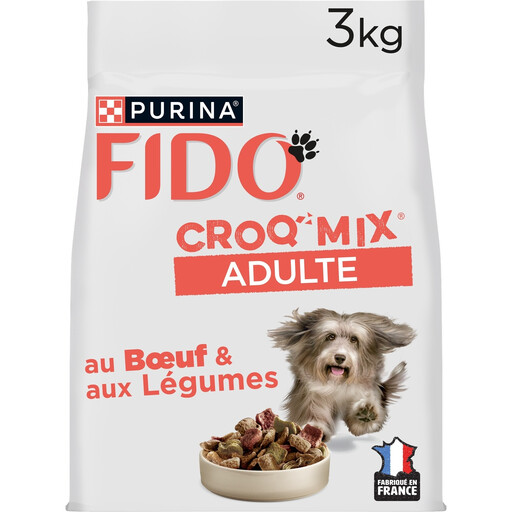
Why this product suits this profile : At 3 kg, this bag lets you try adult dog food without immediately investing in a family-sized pack.
The product page states that this is a complete food for adult dogs and recommends changing over gradually over 10 days.
The composition lists 4 % beef, 20 % crude protein and 10 % fat.
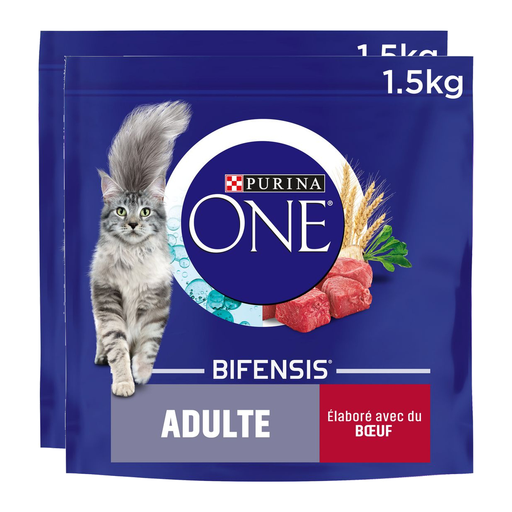
Why this product suits this profile : This bag combines an adult cat recipe with a 3 kg pack size, making it practical for stocking up without choosing the very largest format.
The percentages and main ingredients are listed on the product page, making it possible to compare this recipe with other dry foods using concrete information.
The formula contains 34 % protein, 14 % fat and 16 % beef by-products.
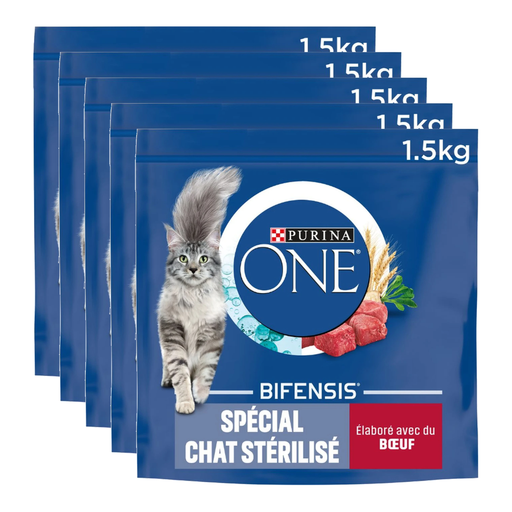
Why this product suits this profile : This large pack may suit a household with several neutered cats or a regular buyer who can store the dry food in an airtight container.
The labelling is explicitly intended for neutered adult cats and recommends adjusting portions according to activity level and body condition.
The product page lists 37 % protein, 13 % fat and 4 % crude fibre in a 7,5 kg bag.
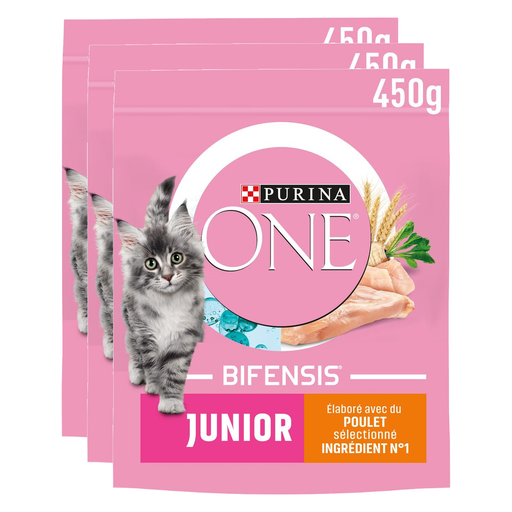
Why this product suits this profile : According to the product page, this food is suitable for kittens from weaning up to 12 months, as well as pregnant or nursing cats.
The age range and introduction recommendations are clearly stated, so it cannot be confused with a formula intended for adult cats.
The composition contains 41 % protein, 20 % fat and 0,05 % DHA.
We have brought together a complete, real-time updated selection of products that meet these buying criteria, as well as European regulatory requirements for safety.
It all depends on your cat’s weight, age, activity level and body condition. As a guide, one adult cat product recommends around 35 to 65 g per day for an animal weighing 2 to 4 kg. This amount should be adjusted according to your cat’s lifestyle. Always refer to the feeding chart printed on the bag and regularly monitor changes in your cat’s weight.
Yes, some products are designed for mixed feeding. For a cat weighing around 4 kg, for example, one wet food recipe recommends two pouches and 20 g of dry food per day. The dry food portion should then be reduced accordingly to avoid exceeding the recommended daily intake.
Shelf life depends on the size of the bag, how much food is used and storage conditions. To preserve the aroma and crunch, reseal the pack after each use and store it in a dry place. With a larger pack, an airtight container helps limit exposure to moisture. If your pet suddenly refuses their food or experiences persistent problems, ask a vet for advice.