
Livraison le jour même ou le lendemain

Qualité garantie

Débloquez vos offres de bienvenue: Livraison GRATUITE | Jusqu'à -80 % | 30 jours d'essai gratuits à JoyPlus
Téléchargez l'application
Oily roots by the next day, dry lengths, lacklustre hair or a build-up of styling products: a purifying shampoo can restore a welcome feeling of lightness. But behind terms such as “clarifying”, “detox” and “balancing”, not every formula targets the same concern.
To avoid unpleasant surprises, start by checking the recommended frequency of use, the cleansing base and compatibility with your hair type. Here are the key criteria to consider before choosing a clarifying shampoo or a formula designed for oily scalps.
A clarifying shampoo helps remove excess sebum, wax residue, pollution particles, chlorine and minerals deposited by hard water. However, it is not intended to replace your regular shampoo at every wash.
Used too often, a highly cleansing formula can leave the lengths feeling rough and cause discomfort, particularly on curly, bleached or already weakened hair. Some products in this selection are intended for use once or twice a week, while others can be used more regularly.
“Organic”, “naturally derived”, “vegan” and “sulfate-free” refer to specific characteristics. On their own, these claims do not guarantee that a product will be better suited to your scalp. A sulfate-free formula may contain fragrance or essential oils, while a conventional shampoo may provide more effective cleansing for particularly oily roots.
Take the time to read the INCI list and look for concrete details: surfactants, conditioning agents, fragrances, acids, clays and recommended frequency of use.
A shampoo for oily hair does not necessarily address dandruff, breakage or hair loss. On blonde hair, a purple shampoo primarily targets yellow or orange tones. For colour-treated hair, preserving the colour may be more important than carrying out an intensive cleanse.
Your choice should therefore depend on the area causing concern: the roots, lengths or scalp.
Surfactants play a central role in how clean your hair feels after washing. Formulas containing sulfates generally produce more lather and may be suitable for very oily hair or hair saturated with styling products. Sulfate-free shampoos rely on other cleansing agents, often preferred by people with dry or colour-treated hair or a sensitive scalp.
Also check the directions for use. A treatment intended for once-weekly use does not serve the same purpose as a gentle shampoo designed for several washes per week.
If your roots become greasy quickly while your ends remain dry, focus application on the scalp and simply let the lather run through the lengths. A balancing formula based on white clay may suit this hair profile, while a repairing treatment will be more appropriate for damaged hair fibres.
After using a detox or clarifying shampoo, apply conditioner or a mask to the lengths. This will help maintain their comfort and make detangling easier.
In France and the European Union, the ingredients list must appear on the packaging in accordance with INCI nomenclature. Also check:
A certified organic shampoo, a silicone-free formula and a vegan product do not meet the same expectations. It is better to compare verifiable information than to rely on overly broad claims.
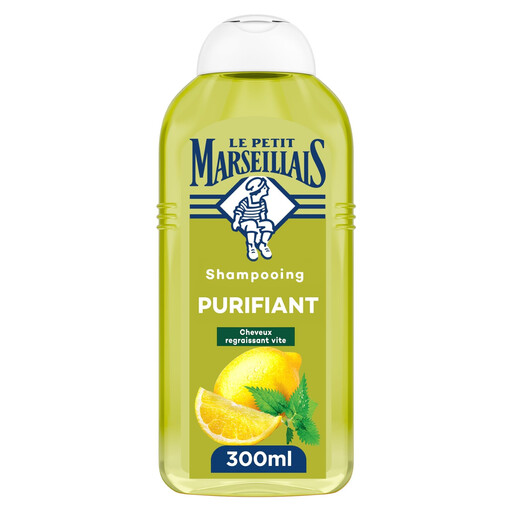
Why it suits this profile: A straightforward, accessible option for hair that becomes greasy quickly and requires frequent washing.
The product page states that the formula contains 98% naturally derived ingredients, is silicone-free and has a pH described as suitable for the hair fibre. The recommended frequency is two to three times per week.
Organic nettle and lemon, recyclable bottle, made in France and a 300 ml capacity.
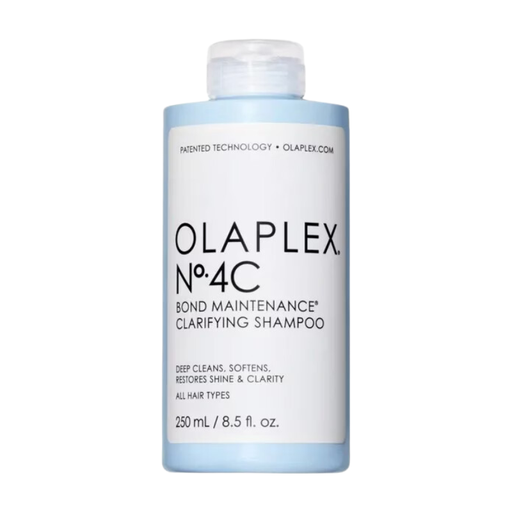
Why it suits this profile: A clarifying shampoo to use as a weekly reset for colour-treated, blonde or chemically treated hair.
Its weekly use helps prevent it from being mistaken for a daily shampoo. The product page states that it removes product residue, chlorine, hard-water minerals and excess sebum.
A leave-on time of up to five minutes and stated compatibility with damaged or colour-treated hair.
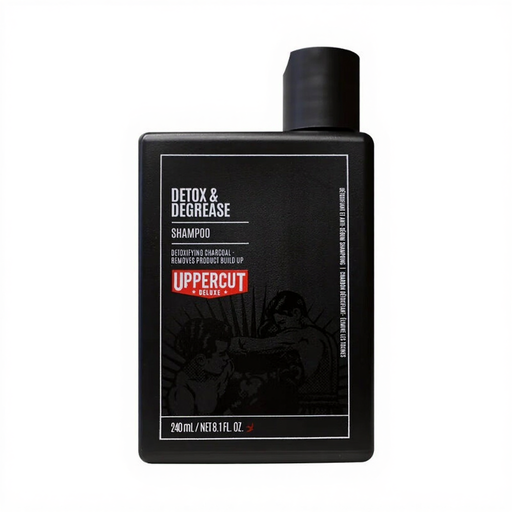
Why it suits this profile: A formula designed to tackle stubborn build-up from wax, pomade, sebum and environmental impurities.
The brand recommends using it once or twice a week rather than at every wash. It then advises applying a nourishing conditioner.
Charcoal and salicylic acid appear in the INCI list. If build-up is significant, the stated leave-on time is one to two minutes.
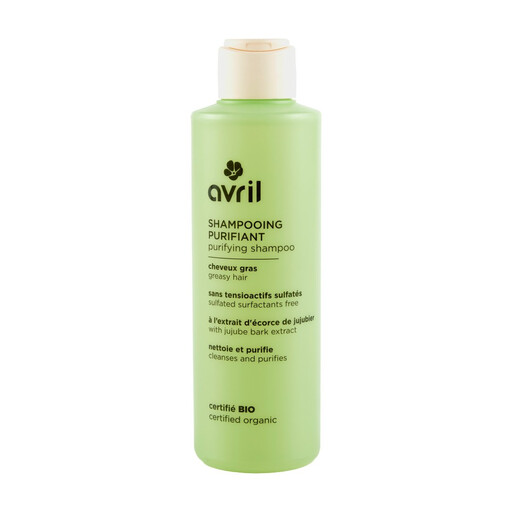
Why it suits this profile: A certified organic option for those seeking a vegan formula made with naturally derived ingredients.
The Cosmos Organic certification and the stated 98% naturally derived composition provide verifiable reference points. However, the formula contains fragrance and menthol.
Cosmos Organic certification by Ecocert Greenlife, vegan formula, made in France and a stated pH between 4.5 and 5.
We have brought together an updated selection of products suited to different hair-cleansing, balancing and comfort needs.
It depends on the formula and your scalp. A concentrated clarifying product is generally used once a week, or when the hair is particularly weighed down by residue. For a shampoo intended for oily hair and designed for regular use, follow the recommendations on the bottle.
Yes, some products are specifically formulated for colour-treated hair. However, using them too often may affect the hair’s softness and the cosmetic longevity of the colour. Alternate with a protective shampoo and apply a treatment to the lengths.
Clarifying shampoo primarily targets build-up, sebum and accumulated impurities. Gentle shampoo relies on a milder cleansing base suited to frequent washing. In many routines, the two complement each other: a gentle formula for everyday use and a purifying shampoo from time to time.