
Livraison le jour même ou le lendemain

Qualité garantie

Débloquez vos offres de bienvenue: Livraison GRATUITE | Jusqu'à -80 % | 30 jours d'essai gratuits à JoyPlus
Téléchargez l'application
Bringing a new puppy home comes with plenty of decisions, and the pet food aisle can quickly become overwhelming. With labels like "grain-free", "high in protein", "natural" or "premium", price alone isn't enough to tell you whether a product truly suits your puppy's age, size and activity level.
Certain mistakes crop up time and again among owners:
Here are the points to consider before comparing puppy kibble, wet food and safety accessories.
A small-breed puppy and a future large dog don't have the same needs. The size of the kibble, the feeding recommendations and the length of the growth period can vary significantly.
For a small breed, look for a clear label such as Puppy Mini or small breed. The kibble should be small enough for your puppy to pick up and chew easily. For a dog that will grow into a medium or large size, choose a recipe specifically designed for that size, such as puppy kibble for medium and large breeds.
The feeding amount stated on the pack is a starting point. You should then adjust it based on your puppy's current weight, activity level, body condition and your vet's advice.
A grain-free recipe isn't automatically better for every dog. Grain-free puppy kibble usually replaces grains with other sources of starch, such as peas, potatoes or sweet potatoes. So you need to look at the full ingredient list and the analytical constituents.
Make sure you check:
A recipe that features chicken or lamb in its name doesn't tell you the total proportion of that meat on its own. For chicken puppy kibble as well as lamb puppy kibble, always check the detailed ingredients.
A 12 kg bag might be practical for a large puppy, but it's far less suitable for a small dog that doesn't eat much. Once the pack is opened, store the kibble in a cool, dry place away from moisture, ideally in an airtight container, and always respect the manufacturer's best-before date.
When changing recipes, a gradual transition over about a week helps avoid upsetting your puppy's digestive system. Mix the old food with the new little by little, then keep an eye on your puppy's appetite and tolerance. If you notice any unusual reaction, seek advice from a veterinary professional.
Wet puppy food can be served on its own if it's labelled as a complete food, or used as a supplement according to the manufacturer's instructions. Once opened, it usually needs to be kept in the fridge and used up quickly.
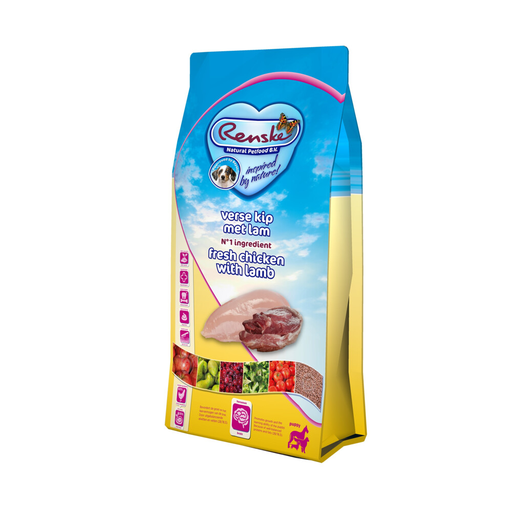
Why this choice suits this profile: Its 2 kg bag lets you try a recipe without committing a large budget or storing a big quantity in a small home.
The listing states it's a complete dry puppy food, recommends a seven-day transition and advises storing it in a dry place.
Fresh chicken listed at 26%, dried lamb at 5%, 28% crude protein and a gluten-free recipe according to the product listing.
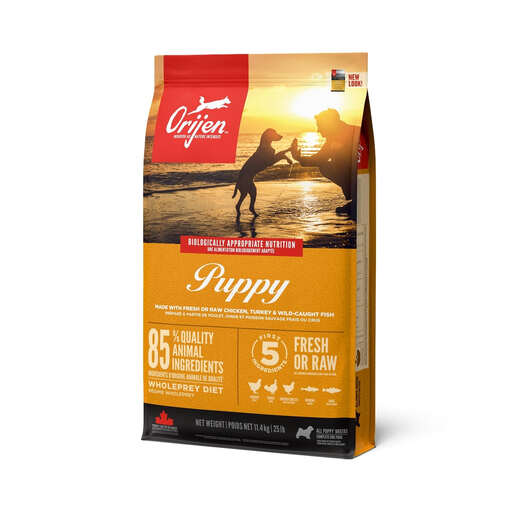
Why this choice suits this profile: The large pack size suits households looking for a recipe rich in animal ingredients and with enough storage space.
The listing details the main animal sources and shows 38% crude protein, rather than relying on a vague promise.
Grain-free recipe, 11.4 kg bag, 38% crude protein and 18% fat content as stated.
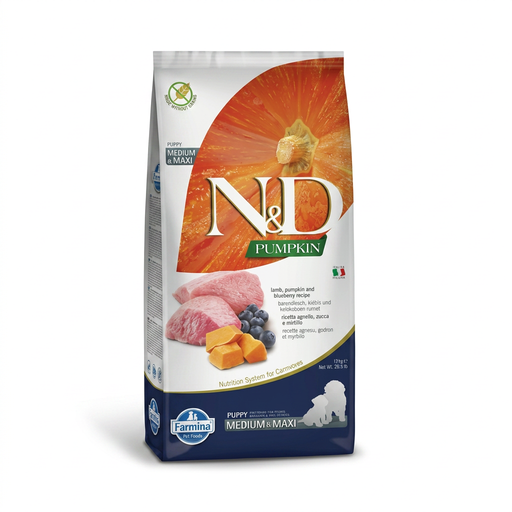
Why this choice suits this profile: Its size and instructions target medium and large breed puppies, with a feeding table based on weight.
The feeding amounts are given by weight range, and the listing recommends a gradual transition and constant access to water.
Lamb and dehydrated lamb are among the first ingredients, with dried pumpkin and a grain-free recipe as stated.
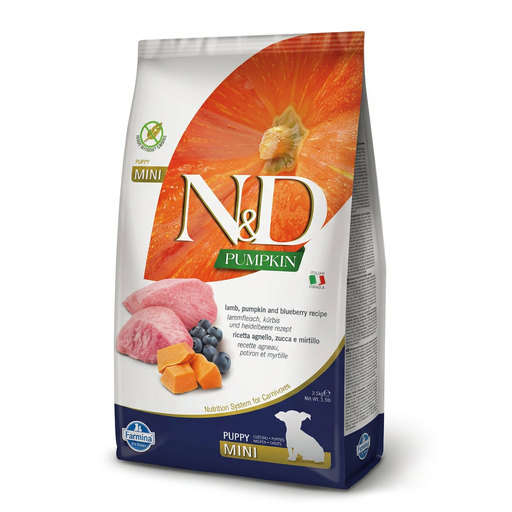
Why this choice suits this profile: The 2.5 kg bag and the formula designed for very small breeds can suit a small puppy whose daily needs are modest.
The reference clearly states "miniature puppy" and details the ingredients, vitamins and minerals, rather than relying solely on the word "natural".
Fresh and dehydrated lamb, dried pumpkin at 5% and fatty acids sourced from herring oil, according to the listing.
Food alone isn't enough to meet your puppy's needs for supervision and rest. A puppy pen can create a safe space when you need to step out briefly or set up a separate area in your home.
Before buying, check the stability, the door latch, the spacing of the bars and how easy it is to clean. Panel-style pens can be configured to fit the space you have. A wire mesh pen with a door works for various small pets, while an acrylic pen offers 360° visibility and a stated area of 0.44 m² for the 100 × 50 × 60 cm model.
We've put together a comprehensive, real-time selection of products that meet these strict criteria and comply with European safety regulations.
The daily feeding amount stated on the packaging can be split into several meals, depending on the puppy's age, weight and size. Young puppies often do well with several small meals, before gradually moving to fewer feeds per day. If you're concerned about your puppy's growth, weight or appetite, ask your vet for advice.
Yes, as long as both products are suitable for growth and the total amount stays consistent. A wet food labelled as "complete food" can form the basis of the diet; a complementary product should be used according to its labelling. Reduce the amount of kibble accordingly to avoid exceeding the recommended daily amount.
Moving to an adult food depends on the dog's size and maturity. The timing varies between small, medium and large breeds. Follow the manufacturer's recommendations, keep an eye on your puppy's body condition and ask your vet for advice on the best time to make the switch.