What should you look for?
For lunch at university, start with what you can prepare at home and the equipment available where you’ll be eating. These practical considerations will help you choose between the three formats before you even decide on a recipe.
Plain tin or jar
Choose this if: you want to put lunch together quickly using pulses that are already cooked, without necessarily needing to heat them.
Bear in mind: check the drained weight and how to store any leftovers after opening.
Dried pulses
Choose this if: you can cook and portion out your meals at home before lectures.
Bear in mind: preparation depends on the type of pulse. For the chickpeas featured on its page, E.Leclerc recommends soaking them overnight, then simmering them in a saucepan for 1 h 30.
Ready-to-heat pouch
Choose this if: you have access to the recommended heating method and want a ready-made recipe.
Bear in mind: check the ingredients and allergens: the Mediterranean doypack featured by Bjorg contains wheat.
| Criteria |
What to check |
Who it’s for |
| A quick meal on campus |
Whether the product is already cooked or needs cooking; the instructions for eating or heating it. |
I don’t have access to a kitchen between lectures and want to avoid anything that takes a long time to cook. Around 36% of consumers put this need for convenience first. |
| Preparing several meals |
How many portions you can make; soaking and cooking times for dried pulses. |
I can cook at home and divide the food between several lunches, but I need to allow enough time. Planning ahead comes first for around 29% of consumers. |
| What’s in the meal |
Ingredients and allergens; nutritional information per 100 g and, where provided, per portion. |
I want to know what my portion contains, especially if I choose a prepared recipe rather than a plain product. Around 21% of consumers prioritise checking the label. |
| Storing opened packs |
The condition of the container and the date shown; storage instructions after opening. |
I keep a supply in the cupboard, but need to be able to use the contents once the pack or jar is open. For around 14% of consumers, managing leftovers is the main concern. |
Retailers and brands to know
These retailers and this brand offer examples of formats to compare for your lunch. Their products and guidance won’t necessarily represent their entire range.
Carrefour
The Carrefour range reviewed includes chickpeas and lentils in tins or jars across a number of product lines.
- The 265 g, 420 g and 530 g formats let you compare quantities and choose one that suits the meals you’re planning.
- The range available may vary by store and by collection or delivery option.
Auchan
The Auchan range reviewed includes dried pulses to cook, as well as quick-to-prepare or ready-to-eat products.
- The Auchan green and red lentils shown in 500 g packs are worth considering if you’re planning to cook ahead.
- Recipes and preparation methods vary, so check the specific product rather than assuming everything in the range can be used in the same way.
E.Leclerc / Marque Repère
E.Leclerc’s page for dried chickpeas provides a helpful example for planning to cook at home.
- For the chickpeas featured, it recommends 80 g per person, soaking overnight, then cooking for 1 h 30 in a saucepan or 40 minutes in a pressure cooker.
- You’ll need to plan ahead, and these timings don’t automatically apply to other pulses.
Bjorg
Bjorg offers a Mediterranean recipe in a doypack, which could be an option if you have access to a microwave.
- For this particular recipe, the brand recommends heating it in the microwave for two minutes.
- It contains wheat and may contain celery, mustard and soya. Check the label on the product you buy.
Joybuy products for these uses
These products include chickpeas for putting together a quick meal, as well as lentils, chickpeas and dried beans to prepare at home before lectures. Check the instructions on each pack or container to choose the right product for your needs.
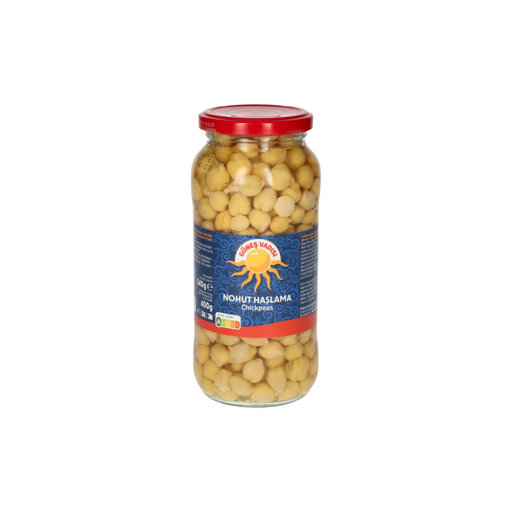 Image unavailable
GÜNES VADIS Chickpeas 540 g
To put together a lunch with chickpeas, compare the drained weight with the portion you want. Check the storage instructions after opening before planning to save any leftovers.
View on Joybuy
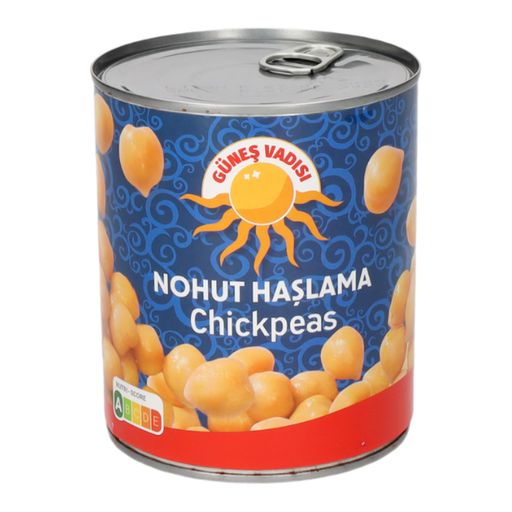 Image unavailable
GÜNES VADIS Chickpeas 820 g
If you’re planning to make several portions, check that you can store the contents after opening according to the label. Also check the allergens for this product, including the mention of lupin.
View on Joybuy
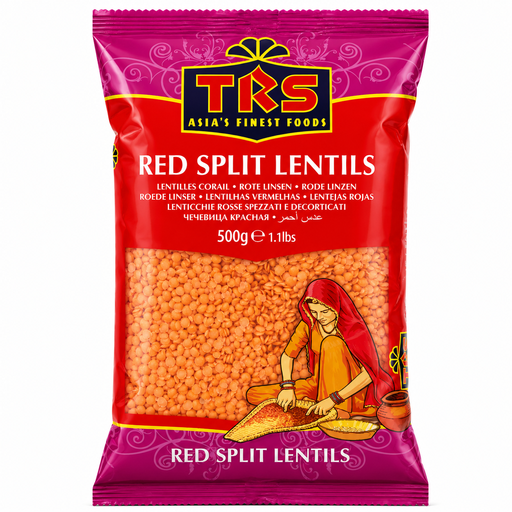 Image unavailable
Red lentils 500 g
To prepare lunch at home, allow time to rinse and cook these dried lentils before taking them with you. Follow the cooking time on the pack.
View on Joybuy
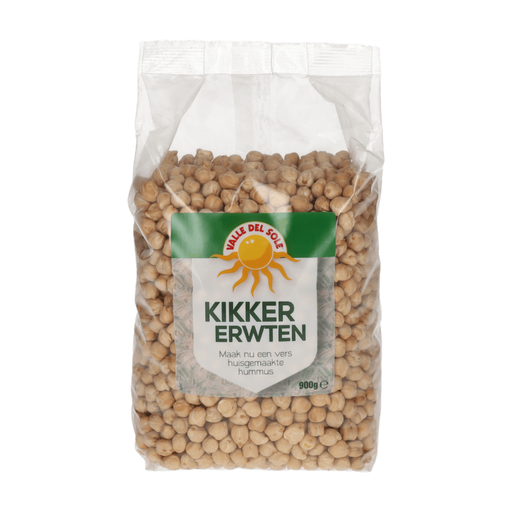 Image unavailable
Valle Del Sole Chickpeas 900 g
If you’re preparing meals in advance, check the soaking and cooking instructions for these dried chickpeas. If trace warnings are relevant to you, read the information about wheat and barley on the packaging.
View on Joybuy
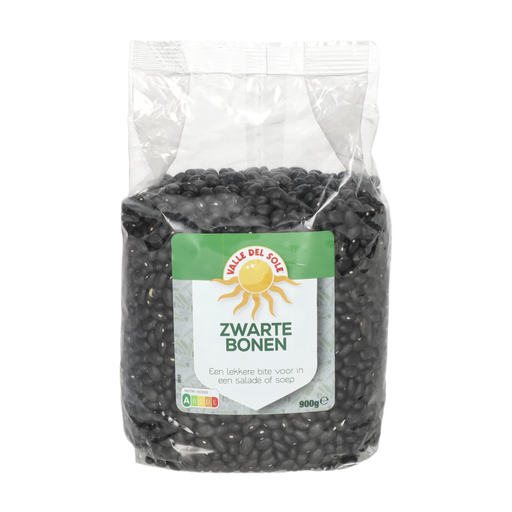 Image unavailable
Valle Del Sole Black Turtle black beans 900 g
These dried beans are best suited to a lunch prepared before your day of lectures, rather than cooking on campus. Check the pack instructions to plan the soaking and cooking.
View on Joybuy
Frequently asked questions
Which pulses can I take to university if there’s no microwave?
A tin or jar of pulses that are already cooked could work for a cold meal, as long as the product instructions say it can be eaten that way. If you’re using dried pulses, cook them and portion out your meal at home before you leave.
How long can I keep a tin or jar in the cupboard?
Follow the date and storage instructions on the unopened container, and check that it’s undamaged. The DGCCRF explains that a product with a best-before date may still be safe to eat after that date if its packaging is intact, although its quality may have deteriorated. A use-by date must not be exceeded. After opening, follow the instructions on the label.
How do I choose between a jar of plain pulses and a prepared pouch?
Choose according to the meal you want to put together and the preparation options available. A jar of plain pulses works as an ingredient, while a prepared pouch may contain a complete recipe. If a product is packed in liquid, check the drained weight, then compare the ingredients, portion size and heating instructions for the products you’re considering.
Where can I check the allergens in a pulse-based dish?
Read the label for the specific product: the DGCCRF says that allergenic ingredients must be listed and highlighted. The Mediterranean doypack featured by Bjorg contains wheat and may contain celery, mustard and soya. This information doesn’t apply to other recipes.


