Parents preparing several packed lunches
If you cook in advance, a bag of dried pulses can be used in several meals. You’ll need to cook them before the day the packed lunch is needed, though.


If you’re preparing several packed lunches in advance, dried pulses in a bag are easy to portion out across meals, but you’ll need to plan ahead for cooking. Tins and jars are better for quick assembly; frozen pulses and ready meals are also worth considering, depending on their preparation instructions, ingredients and allergens.
If you cook in advance, a bag of dried pulses can be used in several meals. You’ll need to cook them before the day the packed lunch is needed, though.
For a quick meal, you could look at tins, jars, frozen pulses or ready meals. Manger Bouger recommends jars, tins and frozen foods as options for making quick recipes; the steps you need to follow will depend on the product you choose.
Prepared products may combine pulses with other ingredients. Read the label on the product you buy, especially if you need to avoid a particular ingredient or allergen.
First, choose a format that fits your routine: cooking ahead, assembling a meal quickly or preparing a frozen product. Then check how much you can use and the ingredients in the product you’ve chosen.
Worth considering: if you can cook enough in advance for several packed lunches.
Bear in mind: you’ll need to cook and store the prepared food. E.Leclerc gives a cooking time of 25 to 30 minutes for its dried green lentils.
Worth considering: for quickly putting together a salad or a side for a packed lunch.
Check: the drained net weight, where stated, as well as the ingredients and instructions for storing the product after opening.
Worth considering: when a very short preparation time matters more than choosing the recipe ingredients yourself.
Check: the full recipe and serving size. Bjorg’s quinoa and chickpea dish, which the brand says is ready in 2 minutes, contains wheat bulgur, among other ingredients.
Worth considering: if you have a freezer and want to prepare a portion from a frozen product.
Check: the preparation and storage instructions before planning to serve the product cold in a packed lunch.
| What to check | Points to consider | Who is this for? |
|---|---|---|
| Usable quantity | Check the bag size and, for pulses in liquid in a tin, the drained net weight where stated. Think about how many portions you’ll actually prepare. | When I prepare several packed lunches, I want to divide the contents between meals without buying more than I need; around 42% of consumers would make usable quantity their priority. |
| Preparation time | Distinguish dried pulses that need cooking from products that are already prepared. For frozen products, follow the instructions on the packaging. | If mornings are busy, I need to know what I can assemble quickly and what I need to prepare the night before; speed would be the main concern for around 33% of consumers. |
| Ingredients and allergens | Check the ingredients list, any allergens highlighted on the label and the nutritional information, including the salt content per 100 g. | When I need to keep track of what goes into a packed lunch, I want to know what’s in the product I’m actually buying; around 25% of consumers would put this check first. |
A tin of pulses in liquid may show a drained net weight, while dried pulses need cooking and a ready meal contains other ingredients. Their total weights therefore don’t tell you the same thing.
When portioning food for the week, check the relevant weight for each format and how many pulses will go into each packed lunch.
A prepared dish may contain grains or other ingredients. Bjorg’s quinoa and chickpea dish includes wheat bulgur, for example.
Read the ingredients list and check any allergens highlighted on the packaging of the product you buy.
A short preparation time tells you how convenient a product is, not everything about its ingredients or whether the portion is right for your meal.
Check the ingredients, serving size and preparation instructions before adding it to a packed lunch.
If you’re organising several packed lunches around the same product, you’ll need to be able to find it when you do your shopping.
Check the retailer’s online range, click and collect service or store, then read the preparation instructions for the product you choose.
These products give you examples of different formats to consider for a packed lunch; a retailer’s name is no substitute for reading the label on the product you choose.
Carrefour stocks tinned lentils and other pulses under its own-label brands and national brands.
E.Leclerc stocks dried pulses under its Notre Jardin and Bio Village brands, including 450 g and 500 g bags.
Auchan stocks, among other products, a tin of chickpeas with a stated drained net weight of 530 g.
Lidl has featured 500 g bags of blond lentils from the Marais Poitevin under its Saveurs de nos Régions brand.
ALDI stocks savoury groceries, tinned fruit and vegetables, and frozen foods.
Bjorg offers, among other products, a 250 g quinoa and chickpea dish that the brand says is ready in 2 minutes and can be eaten hot or cold.
These soya edamame beans are an example of frozen pulses. To decide whether they’re suitable for a cold packed lunch, check the preparation and storage instructions on the packaging.
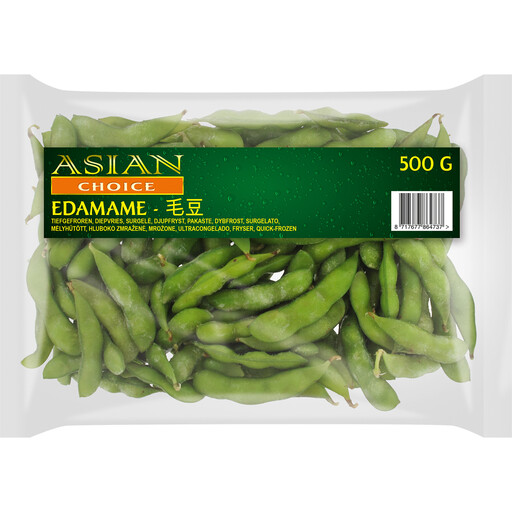 Image unavailable
Worth considering if you’d like to prepare a portion of frozen soya beans to add variety to a packed lunch. Before planning to serve them cold, check the packaging for preparation instructions and guidance on using them after cooking.
500 g bag. This product is made from soya, so check the allergen labelling if this is important to your choice.
Yes, pulses can be part of a packed lunch. Manger Bouger says that, for children aged 4–17, portions of pulses and starchy foods should be adjusted to suit their appetite. Choose a format that also works with how you’ll prepare and store the meal.
Yes, Manger Bouger lists pulses in jars, tins or frozen among the options for making quick recipes. However, always follow the instructions for each product: frozen pulses may need to be prepared before they can go into a lunchbox.
Check the product name, ingredients list, any allergens highlighted on the label, net quantity, relevant date and nutritional information. The DGCCRF highlights the importance of making allergenic ingredients stand out on the label. Don’t assume you know the full ingredients from the name of a recipe or its Nutri-Score.
Follow the instructions on the tin you’ve bought. For its chickpeas with a drained net weight of 530 g, Auchan recommends transferring the contents to an airtight container, refrigerating them and eating them within two days. This advice doesn’t automatically apply to other products.