What should you check before buying?
For a small New Year’s Eve gathering, decide whether you want to season the pulses yourself or serve a ready-made dish, then choose a pack size to suit the number of guests.
Small tin or jar of plain pulses
Choose this: if you’re making your own sauce or seasoning for a few guests.
Bear in mind: you’ll still need to finish the dish, even when the pulses are already cooked.
Ready-made pouch or tin
Choose this: if the prepared recipe suits your menu and you’re short on time before serving.
Bear in mind: you’ll have less control over the seasoning, and the dish may contain grains, including wheat.
Dried pulses to cook
Choose this: if you want to control the texture and seasoning in your recipe.
Bear in mind: check the preparation steps in advance; a Lidl recipe for green lentils calls for overnight soaking.
| What to consider |
What to check |
What matters to shoppers |
| Quantity and leftovers |
For a tin or jar containing liquid, compare the drained weight. Choose the number of packs according to whether the pulses will be served as a nibble, a side dish or a main course. |
If I’m only making a small side, I want to serve enough pulses without running short or ending up with lots of leftovers. Around 36% of consumers would put getting the quantity right first. |
| Preparation time |
Check whether the pulses are already cooked or need cooking from dried; for a ready-made dish, read the reheating instructions. |
When it’s nearly time to serve, I’d rather avoid anything that needs soaking or cooking in advance. Speed would be the top priority for around 29% of consumers. |
| Freedom to adapt the recipe |
Check the product name and ingredients to tell a plain base from an already seasoned dish. |
To go with the menu I’ve planned, I want to choose the sauce and finishing touches myself. Having control over the recipe would matter most to around 21% of consumers. |
| Ingredients and allergens |
Read the ingredients and allergens shown, especially if the dish contains grains. |
If someone at the table needs to avoid an ingredient, I need to know exactly what’s in the product before choosing it. Around 14% of consumers would make this their first check. |
Brands and retailers to consider
These products offer useful comparisons in terms of format and ingredients, although they aren’t all the same type of product.
Carrefour Classic’
Carrefour offers a mix of beans and chickpeas in a jar with a drained weight of 260 g, which could work as a base to customise.
- The ingredients listed for this product are pulses, water and salt.
- When planning your recipe, use the drained weight of 260 g rather than the jar’s apparent size.
Bio Village
The E.Leclerc range includes several small jars of Bio Village pulses for you to compare.
- The products mentioned include chickpeas and lentils with drained weights of 215 g, as well as kidney beans and mogette beans with drained weights of 205 g.
- Check which variety you’re buying and the jar’s weight: these products don’t all contain the same pulses.
Eco+
The E.Leclerc range includes Eco+ chickpeas weighing 265 g and Eco+ lentils weighing 530 g.
- These two pack sizes offer different quantities, so you can compare them with the number of guests.
- For a very small gathering, check the relevant weight on the packaging and how much your recipe calls for.
Auchan
Auchan lists lentils and chickpeas in a separate category from its tinned vegetable range.
- This category makes it easier to find products to compare by format and preparation.
- Check each product page or pack: being listed in this category doesn’t tell you the drained weight or the ingredients of a particular product.
Bjorg
Bjorg’s 250 g ready-made quinoa and chickpea dish is advertised as ready in 2 minutes, following the brand’s instructions.
- This prepared dish could be a good choice if its ingredients and preparation method suit the meal you have planned.
- It contains bulgur wheat, among other ingredients, so it’s neither a tin of plain chickpeas nor suitable for anyone avoiding wheat.
Ready-to-eat tinned pulses on Joybuy
Both of these tins contain ready-made chickpeas, so consider them if their seasoning suits your menu. Their stated weights of 280 g and 400 g mean you’ll need to check how much you’ll actually need for the meal. These aren’t plain pulses that you can season however you like.
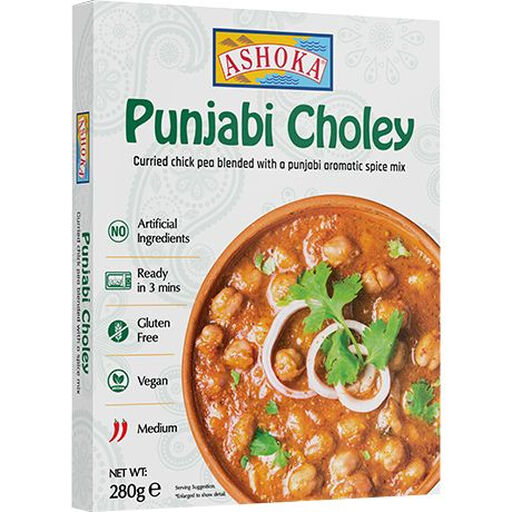 Image unavailable
ASHOKA Punjabi Choley 280 g
Worth considering if a pre-seasoned chickpea curry fits your New Year’s Eve menu.
280 g tin; the description says it can be reheated in a pan or microwave. The recipe includes onion, oil, garlic and spices.
Check the pack for details to help you work out how much chickpea to serve.
View on Joybuy
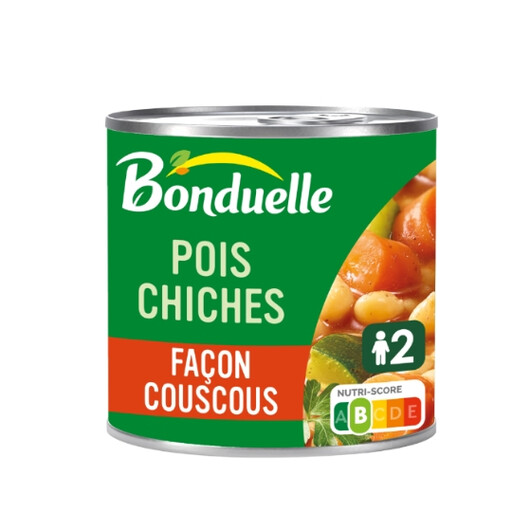 Image unavailable
BONDUELLE Chickpeas in couscous sauce 400 g
Consider this if you’d like to reheat chickpeas with vegetables, sauce and spices, rather than make a plain side dish from scratch.
The tin contains 400 g of prepared food; the product page says it contains 25% chickpeas. Compare this with the amount of pulses you want to serve.
The product page warns that it may contain soya and cereals containing gluten. Check the labelling if this matters to your guests.
View on Joybuy
Frequently asked questions
Which weight should I compare between two tins or jars of pulses?
If the pulses are packed in liquid, compare the drained weight: this is the weight of the pulses once drained. The DGCCRF says that this information must appear on the label in France. Then adjust the quantity to suit the dish’s place in your menu.
Can I serve a slightly dented tin at New Year’s Eve dinner?
Don’t serve pulses from a tin showing signs of damage. According to the DGCCRF, dents, rust or a bulging tin may indicate that the product has deteriorated. Even if the date is still valid, you should check the condition of the tin.
Can a ready-made chickpea dish replace plain chickpeas?
Not like for like: a ready-made dish also includes its sauce and other ingredients. The Bjorg quinoa and chickpea dish mentioned here contains bulgur wheat and various types of rice. Choose plain pulses if your recipe calls for a base that you can season yourself.
What should I check if a guest needs to avoid an ingredient?
Read the ingredients list and allergens shown on the packaging of the specific product you plan to serve. Don’t assume you know what’s in it from the words “chickpeas” alone: a ready-made dish may also contain grains or other ingredients.
Is the date on a tin always a use-by date?
No: check the exact wording on the packaging. The French Ministry of the Economy distinguishes between a use-by date, shown as “use by”, and a best-before date, shown as “best before”. Follow the product’s storage instructions too.


